Addiction as a chronic, relapsing disease
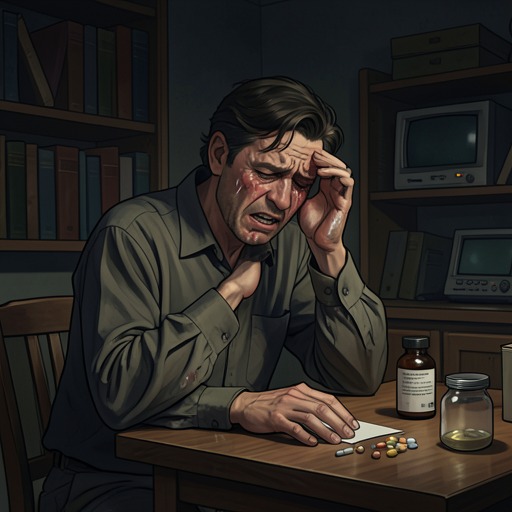
DopesickAddiction as a chronic, relapsing disease is a framework for understanding why recovery may involve repeated setbacks and why care may need to continue over time. In the book, it changes the meaning of relapse: rather than evidence that a person is beyond help, a return to drug use can signal that treatment was interrupted, insufficient, or poorly matched to that person. The framework also sharpens the contrast between medical evidence supporting ongoing treatment and systems that still respond to addiction chiefly through stigma, exclusion, or prison.
A Medical Framework and Its History
The book traces this understanding in part to research at the U.S. Narcotics Farms in Lexington, Kentucky, and Fort Worth, Texas. Opened in the mid-to-late 1930s as part of a federal treatment program, the farms provided care and job training to people sent by courts as well as those who volunteered. Researchers also studied the people held there. Their findings changed the beliefs of Kolb, who came to recognize that people considered otherwise ordinary, including health-care professionals, could become addicted after exposure to opioids.
The farms’ legacy was consequential but compromised. Both closed in the mid-1970s amid an ethics scandal over the exploitation of addicted people as research subjects. The work nevertheless helped establish addiction medicine and contributed to the scientific view of addiction as chronic and prone to relapse. The book places that history beside a present-day contradiction: courts continue to send people to prison when reliable treatment is difficult to secure, and some drug courts bar medication-assisted treatment despite the scientific support for its use.
Relapse, Treatment, and the Evidence
The framework matters most where treatment decisions are concerned. Art Van Zee had patients who reduced their Suboxone from 16 milligrams to as little as half a milligram a day. He hesitated to taper them off completely because, in his experience, doing so could lead to relapse. The research described in the book makes that concern concrete: one study found that 50 percent of users relapsed within a month of being weaned from the medication, with better outcomes associated with a lower dose at the time of tapering. A separate five-year study found that, after eighteen months, roughly a third of buprenorphine patients were drug-free, a third remained on medication-assisted treatment, and most of the remainder had returned to heroin or other illicit opioids.
These outcomes complicate any simple division between successful recovery and failed treatment. The National Institute on Drug Abuse director, Nora Volkow, argued that the evidence favored long-term maintenance with medication alongside behavioral treatment and recovery support, rather than short detoxification programs aimed at abstinence. The book also describes how early tapering can help create a misleading cycle: relapse is taken as proof that medication does not work, even when withdrawal from treatment may have contributed to the return to use. Van Zee distinguished patients who misused buprenorphine from those who took it responsibly, noting that people who continued treatment could return to school, obtain jobs, and regain custody of their children.
Treatment in the Lives of Patients
The experiences of Jesse Bolstridge and Tess Henry show how the framework meets the ordinary logistics of care. In January 2013, Jesse entered a ten-week rehabilitation program in Jacksonville that included counseling and medical detox. He briefly took buprenorphine, but was weaned from it after three weeks. His mother, Kristi Fernandez, still owed $25,000 for the treatment, although Jesse was insured through her; he paid $25 a week through automatic deductions from his checking account. His return to treatment was therefore shaped not only by his illness, but by the cost and design of the services available to him.
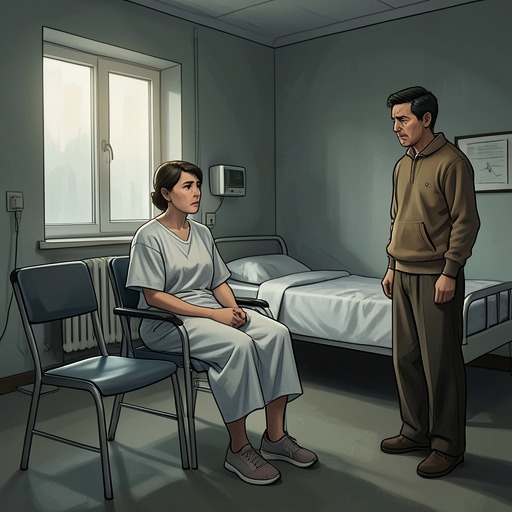
Tess Henry’s care during pregnancy illustrates why treatment cannot be reduced to a single prescription or rule. After leaving jail nearly seven months pregnant, she entered the Life Center of Galax, one of the few Virginia facilities that accepted patients receiving medication-assisted treatment. She took Subutex, a form of buprenorphine then recommended for some pregnant patients, and worried that her baby might experience neonatal abstinence syndrome. Most of the $20,000 treatment bill was covered by private insurance; her father paid the $6,500 deductible from Tess’s college-savings fund. Later, buprenorphine helped Tess feel normal and reduced her cravings, but seeing an addiction doctor required $700 up front and $90 to $100 per follow-up visit, as many as four each month. The treatment could work while remaining financially difficult to sustain.
Access, Stigma, and Competing Institutions
The book treats access as a chain of steps vulnerable to interruption. At the time Tess sought care, federal rules limited a certified medication-assisted treatment provider to 100 patients; the cap later rose to 275. In Roanoke, volunteers developed a spreadsheet listing thirty-six rehabilitation and aftercare providers, sorting possible referrals by a patient’s finances and whether a bed was available. The Hope Initiative also helped arrange outpatient medication-assisted treatment, but some volunteers opposed treating addiction with another drug despite evidence supporting the approach. At the Bradley Free Clinic, people could meet trained volunteers if they had no outstanding warrants, while eligible patients could receive help applying for Medicaid. Even an organized referral effort could not erase limits in funding, capacity, or eligibility.
Stigma also followed patients into recovery settings. Tess had attended Alcoholics Anonymous and Narcotics Anonymous meetings but felt judged for taking buprenorphine, which some participants regarded as not being clean or as substituting one opioid for another. Although Narcotics Anonymous officially accepted medication-assisted treatment, longtime members asked to sponsor or mentor Tess declined. This rejection exposed a divide between formal policy and everyday practice: a treatment intended to stabilize recovery could also mark a patient as unwelcome within a peer-support community.
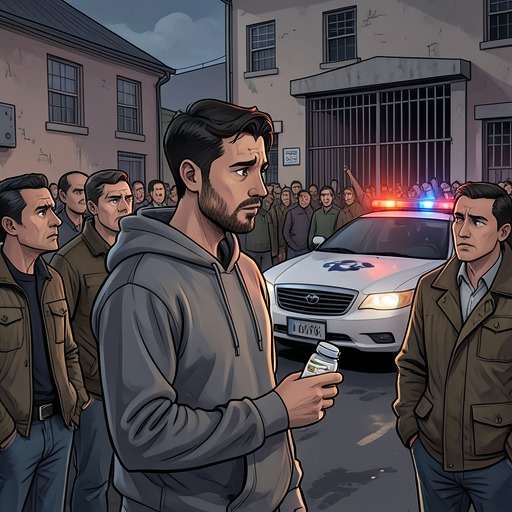
The conflict extended beyond meetings. At a public meeting about Overmountain Recovery, Steve Loyd tried to explain addiction as a chronic brain disease in which relapse was to be expected. An audience member challenged how many chances a person should receive. That exchange condensed the wider disagreement in the book: whether recurring drug use should prompt continued care or renewed condemnation. In another part of the region, Janine Underwood described telling school-board and county officials about her son’s experience and receiving silence; the school board declined to support the program, and the county offered its usual $2,000. The disease framework confronted not only individual shame but institutions reluctant to recognize the scale of need.
A Continuing Public-Health Obligation
The book does not present maintenance medication as necessary or suitable for every patient. It argues instead that people experience addiction differently and that treatment options should remain available, with support suited to the person rather than a blanket demand for abstinence. For those who cannot or do not want to take maintenance medication, the same reasoning supports access to clean needles to prevent HIV and hepatitis C. The emphasis is on keeping people alive and connected to care, not making help conditional on a perfect recovery record.
Later efforts to connect emergency treatment with continuing care reflect the same principle. Warren Bickel received a $1 million grant to pilot protocols linking people treated for overdose in the emergency department to outpatient buprenorphine, including through the newly approved once-monthly injection Sublocade. Yet the Roanoke Community Services Board had only recently added treatment for twenty-one patients, and only after they engaged in counseling; Carilion Clinic still had a three-week wait for outpatient medication-assisted treatment. The contrast between a treatment model designed to reduce interruptions and the limited capacity available on the ground gives the concept its practical force. If addiction can recur, the book suggests, care must be built to continue through relapse, financial hardship, institutional disagreement, and the gaps between health care and criminal justice.