Dopesickness
DopesickDopesickness is the painful physical and psychological state that follows when a person dependent on opioids loses access to them. In Dopesick, it is the force that turns a desire to avoid suffering into a powerful engine of continued use: people ration pills, seek heroin, sell portions of their supply, and sometimes return to drugs even as treatment or recovery approaches. The book repeatedly distinguishes this compulsion from a pursuit of intoxication. For many of the people it follows, the immediate goal is simply to stop feeling sick.
Meaning and Bodily Force
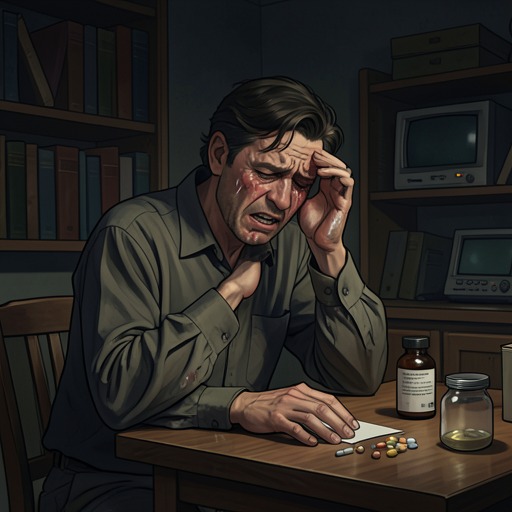
The book presents dopesickness as both a bodily ordeal and a pressure on decision-making. When one woman’s prescriptions ran out, she remembered vomiting, diarrhea, severe aches, irritability, shaking legs, and an inability to sleep. Even being touched became unbearable. The account makes withdrawal tangible through its accumulation of symptoms: it is not a vague discomfort that can be set aside while a person waits for an appointment or a new prescription, but a condition that narrows attention to relief.
That pressure helps explain how dependence can change the purpose of drug use. Debbie Honaker described a point at which drugs were no longer sought to get high, but to keep from becoming sick. Crystal Street and Honaker, both treated with Suboxone at an addiction clinic in Lebanon, had each been jailed and had lost their teeth. Honaker linked tooth damage to pills left in the mouth; Street described how sickness could make keeping a job impossible, whether because a person stole while working in a restaurant or could not get up and go to work. The consequences extended beyond the moment of withdrawal into health, employment, and daily life.
Prescriptions, Tapering, and the Search for Relief
The same dynamic appears in the account of Arnold Fayne McCauley. When his prescribed OxyContin was reduced from 40 milligrams to 20, he became extremely nervous and suffered diarrhea, sweats, and a skin-crawling sensation he called gooseflesh. He later acknowledged supplementing his prescriptions with pills bought on the street. His stated reason was to stave off dopesickness. The account places his behavior within a conflict between an attempt to reduce medication and the distress he experienced as his supply diminished; buying more was not presented simply as an effort to intensify a high.
An unnamed woman’s story shows how the same need could shape choices around other people. After becoming sick when her prescriptions ran out, she turned to a neighbor for help and later encouraged Margie, whose hip hurt after decades of factory work, to visit a local pain doctor. She coached Margie on what to say and drove her to the appointment. The episode connects withdrawal to the spread of drug-seeking practices: someone who knew the desperation of running out could pass along advice about how to obtain another prescription.
Spencer Mumpower described the arithmetic of managing a limited supply through the example of his counselor, Vinnie Dabney, who had used heroin for decades. If a person normally used ten bags a day but had only thirty left before more became available, Spencer explained, the person would calculate how to make them last. That calculation was organized around avoiding withdrawal. It shows how dependence can make days and quantities into a kind of private timetable, where each decision is measured against the prospect of becoming sick.
Supply, Arrest, and the Heroin Market
In Woodstock, Virginia, the transition from prescription pills to heroin was driven in part by this effort to avoid withdrawal. Users who began with prescriptions moved to heroin and sold portions of what they bought to finance the next purchase. As one supply drew people into dependence, the need to keep using could draw new customers into the same cycle. Ronnie Jones’s arrival and the expansion of his heroin ring turned a small group of users into hundreds, while the book also describes the wider network of user-dealers who sought new supplies from nearby cities.
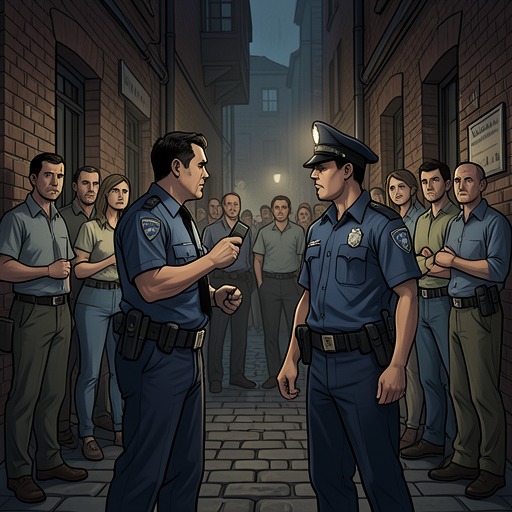
The arrest of Ronnie Jones in 2013 abruptly cut off the supply for many newly addicted Woodstock users. Hundreds became dopesick; some began carpooling to Baltimore, Washington, and Martinsburg, West Virginia, to find heroin. The journeys show how withdrawal could reorganize a community’s movement: a local supply disappeared, but the need it had helped create sent users along new routes in search of another source. Marie, one of Jones’s user-dealers, told investigators that when Jones or his runners traveled to New York to resupply, about two hundred people she knew would go into withdrawal while they waited; when he returned, they felt better. The sequence made dependence visible at the scale of a neighborhood, linking one dealer’s trips to the suffering and relief of many users.
The book sets this dependence-driven demand apart from the ambitions of major traffickers. Clifton “Lite” Lee and Ronnie Jones dealt heroin for profit, but many user-sellers did not aspire to become wealthy. They sought enough to keep from becoming dopesick. This distinction does not erase the harms caused by distribution; it shows why arrests alone could not remove the demand. As investigators locked up suppliers, people dependent on heroin could still seek another source, because the prospect of withdrawal remained.
Relapse and the Narrowing of Choice
The same pressure appears in the final day Jesse Bolstridge and Dennis Painter spent together before Jesse was scheduled to fly to a treatment center in Jacksonville. Dennis was deep in withdrawal, and the two stole insulin needles from Jesse’s grandmother and bought heroin. Dennis was vomiting and told Jesse that he needed the drug. Jesse had been trying not to use, but black-market pills had worn off and he had also been throwing up through the day. He tried to eat chicken nuggets and macaroni and cheese, two favorite foods, but could not keep them down. He then agreed to use, treating the purchase as a last episode before returning to rehabilitation. His planned treatment and his immediate decision sit side by side: the intention to begin again did not protect him from the urgency of withdrawal.
Brian’s experience after Scott Roth’s death adds another dimension. In 2012, Brian was beginning to taper off Suboxone; at the time of his interview, seven days had passed since his last dose, and he described pinprickly skin and restlessness. His account shows that the fear and discomfort associated with stopping were not confined to the search for illicit heroin. Suboxone, like methadone, could stave off dopesickness and reduce cravings when prescribed and used appropriately, while coming off the medication could itself bring symptoms.
Narrative Significance
Across these accounts, dopesickness explains the gap between wanting to stop and continuing to seek drugs. The book does not reduce every choice to withdrawal, nor does it suggest that people have no agency. Instead, it shows how severe physical and psychological distress can make the next dose feel more urgent than distant consequences. Prescription tapering, street purchases, supply trips, relapse, and treatment all take on a sharper meaning when understood against that immediate pressure.
The concept also links individual bodies to a larger market. In Woodstock, a sudden interruption of supply sent users toward distant cities; when dealers traveled to resupply elsewhere, people waited in withdrawal for their return. At the intimate scale, the account follows shaking legs, sleeplessness, vomiting, and failed meals. At the community scale, it follows car trips and networks of buyers and sellers. Dopesickness is the thread between them: not merely a condition that follows drug use, but a recurring force that helps sustain the cycle the book traces.