Medication-assisted treatment
DopesickMedication-assisted treatment (MAT) is the use of medications, often alongside behavioral care and recovery support, to treat opioid addiction and reduce the danger of withdrawal, relapse, and overdose. In Dopesick, it is presented not as a perfect cure or a substitute for recovery, but as a life-preserving treatment whose effects depend on sustained access and whose value is repeatedly challenged by stigma, fragmented health care, and criminal-justice rules. The book’s central distinction is between medication used under appropriate care and medication misused or diverted; confusing the two can block treatment for people who need it.
What the Treatment Does
Methadone and buprenorphine can stave off withdrawal and reduce cravings. When prescribed and used appropriately, Suboxone, a buprenorphine medication, does not produce a high. Buprenorphine is less dangerous than methadone if taken in excess, a difference that helped make office-based prescribing possible rather than requiring near-daily visits to a specialized clinic. Public-health officials described buprenorphine as a leading treatment for opioid-use disorder: compared with behavioral therapy alone, it reduces the risk of overdose death by half and can give patients time to stabilize their lives before, or without, gradually tapering off medication.
Naltrexone works differently. Vivitrol is an opioid blocker and anti-craving medication delivered as an injection that lasts about a month. It has no abuse potential or street value, which later made it appealing to law enforcement. Naltrexone was approved for opioid and alcohol addiction in 1984, but it gained broader use only after its manufacturer began marketing the injection to drug courts and jails around 2012. These different medications expose a recurring tension in the book: treatments may all aim to prevent death, yet their mechanisms and perceived risks shape which patients, clinicians, and institutions accept them.
MAT is not described as flawless. Marc Fishman considers buprenorphine, methadone, and naltrexone imperfect, while emphasizing that they remain among the best available tools for preventing death. Stopping maintenance medication can bring substantial relapse risk, including for patients also receiving counseling. Fishman argues that advocates should acknowledge this limitation rather than presenting medication as a complete chemical fix. The book also notes that buprenorphine can be misused: Subutex, especially, is sold illicitly, and injecting or snorting it—or combining it with benzodiazepines—can produce serious danger. Such harms are real, but they do not erase the distinction between unsafe use and supervised treatment.
History and the Case for Maintenance
The disputes surrounding MAT long predate the current opioid crisis. Methadone, first developed as a synthetic painkiller for battlefield injuries, was recognized after World War II as a way to control opioid withdrawal. The Federal Bureau of Narcotics opposed treating addiction with another drug and harassed doctors using methadone in the 1960s. Research in the following decade helped produce buprenorphine and naltrexone, compounds intended to blunt opioid effects and reduce risks such as respiratory depression. Buprenorphine reached the market in 2002, after a decades-long search for a new addiction-treatment medication; its potential street value surprised many observers.
That history helps explain why treatment with an opioid-like medication remains controversial even when the evidence favors maintenance. The book describes buprenorphine as a gold-standard treatment and cites research showing that roughly 50 percent of patients in one study relapsed within a month of being weaned from it. Other findings showed better outcomes when patients were maintained on medication; a five-year study found about a third of buprenorphine patients drug-free after eighteen months, another third still taking medication, and most of the remainder back on heroin or illicit opioids. Art Van Zee hesitated to taper long-term patients completely because, in his experience, doing so often led to relapse. Nora Volkow warned that premature discontinuation can itself reinforce the mistaken belief that MAT does not work. Patients buying Suboxone outside medical care, she observed, may be trying to avoid withdrawal—a risk the book contrasts with returning to heroin.
Access, Continuity, and Pregnancy
The treatment’s promise repeatedly meets practical obstacles. In Virginia, federal rules once capped the number of patients a certified buprenorphine prescriber could treat at 100; the limit later rose to 275. Even where medication was covered by insurance, appointments could require large cash payments and repeated follow-up fees. Patricia Mehrmann described waiting lists and cash-only practices as barriers for families trying to secure care. In 2017, state efforts led by Hughes Melton helped broaden access and improve Medicaid reimbursement, including payment for counseling and care coordination, but the book emphasizes that greater need was recognized slowly and reached many communities even more slowly.
Tess Henry’s treatment during pregnancy makes the stakes of continuity concrete. After leaving jail nearly seven months pregnant, she entered the Life Center of Galax, one of the few Virginia facilities then accepting patients on methadone or buprenorphine. She took Subutex, which at the time was considered safer for some pregnant patients because it lacked naloxone, though it was also more susceptible to misuse than Suboxone. Private insurance covered most of the $20,000 treatment bill, while her father paid the $6,500 deductible from Tess’s college savings. Later, buprenorphine made her feel normal, but medication coverage did not remove the cost of care: addiction-doctor visits were cash only, with an initial payment of $700 and follow-up visits costing $90 to $100, sometimes as often as four times a month. Virginia Board of Medicine guidance shifted in 2017, recommending that pregnant patients use Subutex for no more than seven days before transitioning to Suboxone.
The book also contrasts sustained maintenance with brief detoxification. Jesse Bolstridge had previously attended a ten-week rehabilitation program that included medical detox and only three weeks of buprenorphine before he was weaned off it. He still owed $25,000 for that treatment. Volkow’s position, as reported in the book, was that evidence supports long-term maintenance combined with behavioral treatment and recovery support, not short detoxification programs aimed at abstinence. The contrast is not simply between treatment and no treatment, but between receiving medication briefly and having a realistic path to ongoing care.
Stigma, Courts, and Unequal Treatment
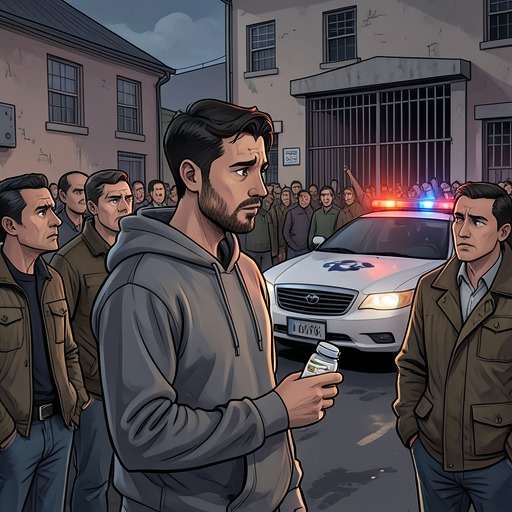
Opposition to MAT appears in recovery groups as well as courts. Some Alcoholics Anonymous rooms regard people taking Suboxone as unclean or unable to participate fully. In Virginia, many drug-court prosecutors and judges have prohibited MAT despite support for it among public-health professionals. The book identifies these divided positions as a major barrier to reducing overdose deaths. Drug courts can coordinate monitoring, treatment, and practical support, but their rehabilitative role is undermined when they exclude medications that reduce risk. A Kentucky appeals court required drug courts to permit MAT; federal policy later threatened to withhold funding from courts that cut off access.
The controversy also sits within a wider inequality in medical treatment and drug enforcement. The book notes that, historically, heroin in Roanoke was widely treated as an inner-city drug and that Black users and dealers formed a small, largely invisible group. CDC data cited in the narrative found that doctors prescribed painkillers to people of color at much lower rates than to white patients, partly because doctors distrusted them not to misuse opioids. By 2014, young white people were dying of overdose at three times their 2002 rate, while the death rate for people of color had changed relatively little. Meanwhile, drug enforcement and imprisonment fell disproportionately on Black and Hispanic people: three-quarters of federal drug offenders and 57 percent of state-imprisoned drug offenders were people of color. The demand to avoid arrest as the sole response to addiction, the book argues, has not been applied evenly across racial groups.
Bryan Stevenson’s Equal Justice Initiative offers a contrasting approach for people returning from prison: connection to housing, employment, case management, and harm-reduction services, with diversion from prosecution for some low-level drug and prostitution offenses. Such support addresses both the need for legitimate work and the economic pressures that sustain drug dealing. MAT belongs to this broader account of recovery: medication can reduce immediate danger, but its benefits are constrained when health systems, courts, or communities deny people continued care and the conditions needed to rebuild their lives.