Families Anonymous
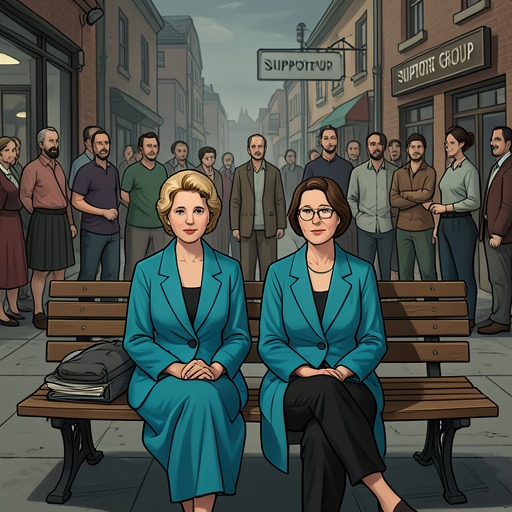
DopesickFamilies Anonymous is a peer-support organization for families affected by addiction, shown in Dopesick through meetings in the Roanoke area. Its significance lies less in formal programs described by the book than in the encounter it made possible: parents who had concealed their family crises could recognize a shared experience and begin to speak with one another.
Meetings in Roanoke
In 2012, as the heroin crisis reached Roanoke’s suburbs, families often kept their experiences private. The author’s early reporting found that many parents were too ashamed to discuss their situations publicly. At the same time, families seeking support did not yet have Facebook groups to connect people across the state, exchange advice about rehabilitation, or provide practical and financial help. Families Anonymous meetings in the area were filling up, making the organization a visible gathering place during a period when many parents still suffered in silence.
One meeting took place at a Lutheran church on the outskirts of Hidden Valley. There, Jamie Waldrop and Drenna Banks met as mothers of young men with opioid addiction. Their sons, Christopher Waldrop and Colton Banks, had been friends and used drugs together. Jamie was a civic leader and the wife of a prominent surgeon; Drenna and her husband ran an insurance agency. Their circumstances did not spare them from the crisis unfolding in their families.
Recognition and Peer Support
Before meeting, Jamie and Drenna had each withdrawn from other friends. Questions about how their children were doing felt difficult to answer, and the shame surrounding addiction reinforced their isolation. At Families Anonymous, they recognized that they were living through versions of the same ordeal. The meeting offered a setting in which this resemblance could be acknowledged without first explaining or defending their families’ circumstances. Drenna remembered Jamie as someone who made her laugh at a moment when she needed relief, a small but personal counterpoint to the fear and strain they shared.
The meeting’s importance extended beyond those two mothers. Their chance encounter helped reveal how families were navigating the space between institutions expected to address addiction: the health care system and the criminal justice system. As people with addiction tried to avoid withdrawal and survive, relatives and volunteers worked to keep them alive, often without reliable coordination between treatment and law enforcement. Families Anonymous appears within this account as a place of peer contact amid those institutional gaps, not as a substitute for either system.
The Organization’s Place in a Culture of Silence
Families Anonymous provided an in-person form of connection at a time when public disclosure remained difficult. The book contrasts crowded local meetings with the broader silence of parents who felt marked by their children’s addiction. Robin Roth, for example, experienced the absence of wider parent-to-parent connections in 2012 and carried her grief privately. Her experience underscores the conditions in which the meetings mattered: support could be sought, but shame continued to limit how openly families spoke beyond such settings.
The organization’s role in the narrative is therefore specific and grounded. It brought parents into the same room, helped them recognize common experience, and formed part of a local response led not only by professionals but also by families and volunteers. The account does not describe Families Anonymous’ internal structure or establish a broader treatment policy for the organization; its emphasis is on the human consequence of the meeting itself, where isolation could begin to give way to mutual recognition.