Overmountain Recovery
DopesickOvermountain Recovery is an outpatient treatment clinic in Gray, Tennessee, created by a partnership of public-health researchers, health-care institutions, and state agencies. Opened in September 2017 after more than a year of local resistance, it was designed to make medication-assisted treatment available alongside counseling and other forms of support. Its founding joined a practical response to a distant and limited treatment supply with a broader argument: recovery care could be built through community collaboration rather than left to the individual patient to find alone.
Origins and Treatment Model
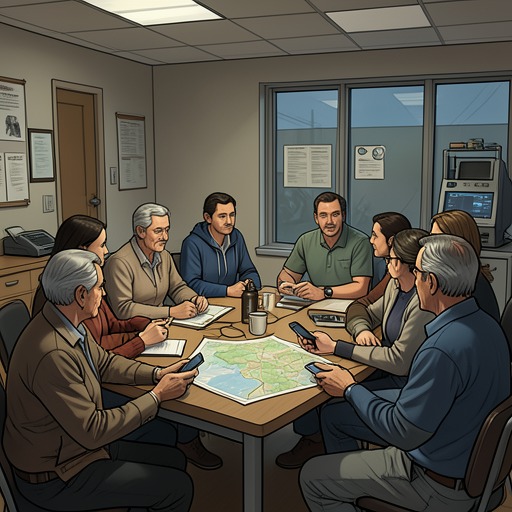
The clinic emerged from a working group led by East Tennessee State University public-health professor Robert Pack and physician Steve Loyd. Its members brought together a university, a regional nonprofit hospital corporation, and the state mental health agency. Overmountain was one part of a larger effort: the working group had secured $2.5 million in grants, supported eight funded projects and twenty-five research proposals, and opened a Center for Prescription Drug Abuse focused on research. Pack had begun studying addiction after losing a close friend to an opioid-related suicide in 2006; the clinic translated that research and institutional collaboration into local treatment capacity.
Its name recalled the Overmountain Men, local farmers and frontiersmen whose victory over the British at the Battle of Kings Mountain helped turn the tide of the Revolutionary War. The second part of the name described the clinic’s purpose. Treatment was meant to extend beyond medication-assisted treatment (MAT) to include group and individual counseling, yoga and other alternative therapies, and job-training support. Although the outpatient clinic would eventually offer Suboxone, its principal medication was methadone. Methadone was less expensive and harder to divert: patients drank the liquid daily in front of a nurse. The nearest existing methadone facility was about sixty miles away, over a mountain, making the new service a substantial change in local access.
This combined model mattered in a treatment landscape marked by scarce appointments, cost, and disagreement about medication. In Virginia, the number of patients an MAT-certified doctor could treat was federally capped at 100 before the limit was raised to 275 later in the year. Patients could also face cash-only appointments and waiting lists even when insurance covered much of the medication. At Roanoke’s Hope Initiative, volunteers assembled a five-page directory of thirty-six rehabilitation and aftercare providers, while some remained divided over whether addiction should be treated with medication. Overmountain’s design placed medication within a wider set of supports rather than treating it as the whole of recovery.
Opposition and Local Negotiation
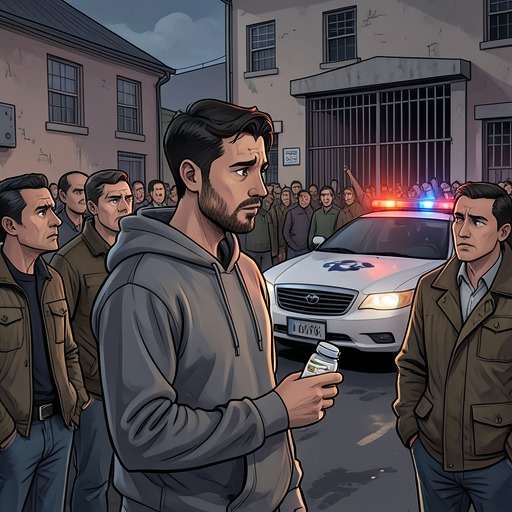
Gray was a conservative, middle-class community of farmers and suburban residents, with Daniel Boone High School about a mile and a half away. The clinic encountered intense opposition before it opened. Citizens to Maintain Gray, led by a respected area farmer, worried that people taking methadone would be too impaired to drive safely. Some residents were not opposed to treatment in principle but did not want the clinic nearby; some privately acknowledged to Loyd and Pack that addiction had affected their own families.
The working group did not answer opposition simply by dismissing it. Members heard residents’ concerns and brought in police chiefs and methadone providers from other areas to offer examples and studies addressing safety. That evidence helped decision-makers assess the concerns, and the project eventually won near-unanimous approval from the city zoning board and the state. The process was prolonged and publicly contentious: in a town of 1,222 people, more than 300 spoke against the clinic, and some characterized Pack and Loyd as drug lords. The clinic’s opening therefore depended not only on assembling treatment resources but also on sustained public engagement and institutional coordination.
Steve Loyd and the Case for Recovery
Loyd’s role gave the project a local physician’s perspective grounded in his own history of addiction and treatment. In recovery for more than a decade, he had once sought painkillers by visiting doctors, taking medication from relatives’ medicine cabinets, and feigning an ankle injury to obtain surgery. In 2004, his father confronted him and pressed him to get help. Loyd entered ninety days of inpatient rehabilitation, followed by five years of random drug screens, support services, and intensive monitoring.
He explained his experience to people in his hometown as a way to make the struggle legible beyond stereotypes. His recovery also involved continuing structures of accountability: because relapse or a serious medical error could cost him his medical license, the possibility of professional consequences remained part of his treatment environment. Even after becoming Tennessee’s assistant commissioner for Substance Abuse Services, he checked in daily through a cellphone app to remain available for a random drug test. His participation in Overmountain connected clinical leadership with the continuing practices that had helped sustain his own recovery, without suggesting that every patient’s path would be identical.
Significance and Legacy
Overmountain represented a form of regional problem-solving in a place where the nearest methadone provider had been many miles away. Its combination of medication, counseling, alternative therapies, and employment support addressed treatment as an ongoing set of needs rather than a single prescription or a brief episode of detoxification. The collaboration also showed how a university, a hospital, and a state agency could pool authority and resources to establish care despite public resistance and the constraints of rural access.
The clinic was presented as one of the strongest models encountered in the reporting for countering governmental rigidity and indifference to the opioid crisis, with potential for replication elsewhere. That significance rests in both its services and the means by which they were established: researchers and clinicians organized across institutions, listened to a wary community, and persisted through a year of public dispute to open a treatment center. Overmountain’s opening did not erase the wider shortage of care, but it put a locally accessible alternative on the map and made collaboration itself part of the response.