Bristol Recovery Center
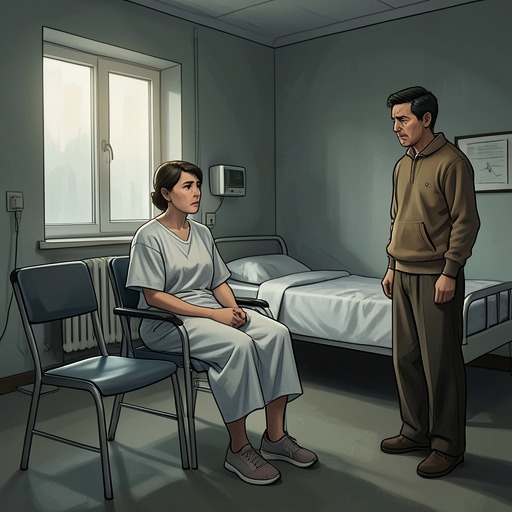
DopesickBristol Recovery Center is a faith-based rehabilitation center created in a donated former nursing home and organized around both treatment and practical support. Its planned 240 beds and collaborations with courts, police, churches, and social-service agencies made it a prominent example of a community trying to connect addiction care with the institutions that people encounter beyond a clinic.
Establishment and purpose
Director Bob Garrett spent three years building the partnerships that brought the center to fruition. The center was intended to house people with addiction alongside veterans, young adults aging out of foster care, and people leaving jail. Its design linked residential support to employment: participants would eventually pay to live there after finding jobs with the center’s help. The model therefore joined a place to stay with a route toward work and continued participation in the community.
Changing approach to treatment
Garrett initially planned not to allow participants to use medication-assisted treatment. His position changed after he served on a community coalition spearheaded by East Tennessee State University public-health professor Robert Pack. The change placed the center’s policy in contact with a wider debate over whether addiction should be treated with medication as well as counseling and other forms of support.
Garrett subsequently advocated evidence-based treatment in talks and dinners at churches across the state. He emphasized that people with addiction should be treated as people worthy of care, challenging the tendency to frame addiction primarily as a moral failing. This outreach extended the center’s work beyond its residential program: it also sought to change how local communities understood the people the program served.
Partnerships and significance
The center’s development depended on cooperation among local courts, police, churches, and social-service agencies, rather than on a treatment facility acting alone. In the book, its collaborative structure is presented as a practical response to the gaps between law enforcement and health care. The combination of residential treatment, employment support, and a changed stance on medication made Bristol Recovery Center an example of how local partnerships could broaden the response to addiction.