Little Chandler’s outburst at his baby
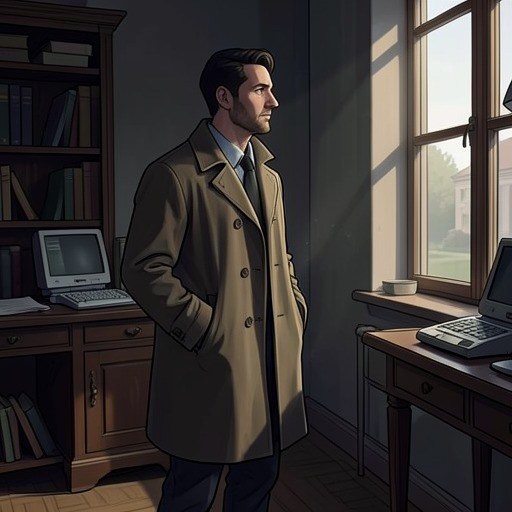
DublinersLittle Chandler’s outburst at his baby is the breaking point of a scene in which literary aspiration collides with domestic responsibility. Unable to quiet the child while trying to read, he shouts at him; the cry stops briefly, then returns as frightened, convulsive sobbing. Annie takes the baby from him, and Chandler retreats from her gaze in shame, ending the episode in tears of remorse. The interruption makes the confinement he feels more than an inward complaint: it is enacted in a room where his attempt to attend to poetry gives way to anger and fear for the child.
The Interrupted Reading
The child wakes and begins to cry while Little Chandler is reading a poem. He turns from the page to hush him and rocks him in his arms, but the wailing grows keener. Even as he tries to comfort the child, his eyes continue across the second stanza, splitting his attention between the baby’s distress and the verse. The effort fails on both fronts: the child will not be soothed, and Chandler cannot read.
The poem’s image of a narrow cell gives the interruption a pointed echo. Chandler has just been thinking about the melancholy of the verse and wondering whether he, too, could write poetry capable of expressing his own soul. He recalls a sensation from a few hours earlier on Grattan Bridge and longs to recover the mood in which he might describe it. Now the child’s crying overwhelms the page, while the language of confinement meets his own conviction that he is a prisoner for life. The scene does not let his literary longing remain an abstract ideal; it places that desire beside the immediate demands of caring for a child.
The Shout and Its Consequence
As the wailing pierces his hearing, Chandler’s arms tremble with anger. He bends toward the child and shouts, “Stop!” The command produces only an instant of silence: the baby has a spasm of fright and begins to scream again. Chandler jumps up and walks hastily around the room with the child in his arms, but the sobbing grows more convulsive rather than easing.
His response changes when he sees the child’s contracted, quivering face. The sound has become an unmistakable sign of fear, and Chandler is alarmed. He counts seven sobs without a break, then catches the baby to his breast in fright at the possibility that it might die. The episode moves from irritation to panic in a few beats. His first effort to stop the noise has intensified it; his renewed hold on the child comes not as a composed act of comfort but as a frightened reaction to the consequences of his own shout.
Annie’s Intervention
The door bursts open and Annie runs in, panting. She flings her parcels to the floor and snatches the baby from Chandler. Her first response is an accusation: she looks into his face and demands to know what he has done. Chandler can sustain her gaze for only a moment before his heart closes at the hatred he sees in her eyes. He stammers that the child began to cry and that he did nothing, but Annie gives no heed to his explanation.
With the baby clasped tightly in her arms, Annie walks up and down the room, murmuring soothing endearments. The change in who holds the child makes the contrast plain: Chandler’s hurried rocking and shout have given way to Annie’s close embrace and steady reassurance. The child’s sobbing gradually subsides as she tends to him. The narrative records both the practical outcome—Annie calms the baby—and the emotional consequence for Chandler, whose attempt to defend himself cannot compete with the scene before him.
Shame and Narrative Significance
As the baby quiets, Chandler steps back out of the lamplight. The gesture marks his withdrawal from the central place he had occupied while trying to read and comfort the child; now Annie and the baby occupy the room’s emotional center. He feels shame in his cheeks and listens as the sobbing diminishes, while tears of remorse come to his eyes. The ending offers no spoken reconciliation or extended explanation. It closes instead on his recognition of the harm and fear created by his outburst.
The scene gives concrete form to the gap between Chandler’s imagined poetic identity and his life at home. A few moments earlier, he has been wondering whether he could make verse from melancholy and recover an earlier mood; the crying child defeats that concentration, and his declaration of lifelong imprisonment turns into anger directed at the person he is holding. Yet the child’s frightened face and the possibility of death break through that anger. Annie’s accusation then makes the domestic consequence visible, while Chandler’s retreat and remorse leave him with no refuge in either literary aspiration or self-excuse. The outburst is therefore not simply an interruption of reading: it is a reversal from imagined expression to a damaging act, followed by fear, exposure, and shame.