James Ritter’s imprisonment and rescue
PiranesiJames Ritter’s imprisonment came to light in April 1997, when a cleaner at Laurence Arne-Sayles’s house discovered a hidden room behind a false wall. The rescue exposed a crime that ended Arne-Sayles’s academic career, but its central question remained unanswered: Arne-Sayles never explained why he had imprisoned Ritter.
Discovery Behind the Wall
Arne-Sayles’s career, already controversial, ended abruptly after the cleaner noticed a brown liquid emerging from beneath a wall in a bedroom he had described as unused. Because the room was being cleaned, she knew it was in use. When more liquid appeared, she tested the wall, found that it gave slightly, and listened against it before calling the police.
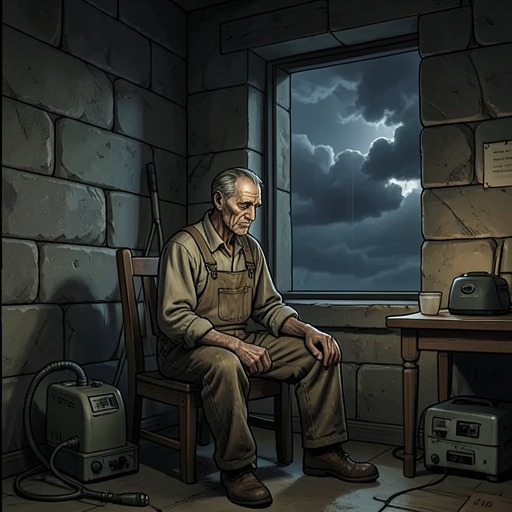
Behind the false wall, police found James Ritter in a concealed room. He was very ill and incoherent. The account establishes the circumstances of his discovery and rescue, but offers little about who he was or how long he had been confined.
Trial and Imprisonment
The discovery led to a widely reported trial and brought Arne-Sayles’s academic career to an end. He was initially sentenced to three years in prison. While incarcerated, he was convicted of inciting other inmates to violence and riots; ultimately, he served four and a half years and was released in 2002.
Arne-Sayles did not testify at trial. Nor did he ever give an explanation for imprisoning Ritter, leaving the motive for the confinement unresolved in the available account.
The Account’s Limits
The episode is presented through a retrospective search for information about Ritter. Its first record, an entry in Journal no. 21, page 46, was titled “The disgrace of Laurence Arne-Sayles”; the reader then turns to a second entry, “Biography of James Ritter,” hoping to learn more about the rescued man. This shift exposes an imbalance in the surviving narrative: the public consequences for Arne-Sayles are specified, while Ritter’s own history remains largely unknown.
The discovery, trial, and sentence establish the reality and consequences of Ritter’s imprisonment, but not its cause or the details of his life in confinement. Arne-Sayles’s silence at trial and afterward preserves that gap rather than closing it.