Cushla and Davy’s reunion
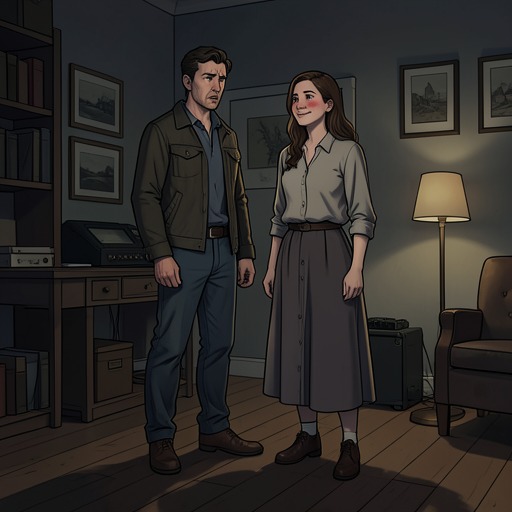
TrespassesCushla and Davy’s reunion takes place in 2015, years after he vanished from her life and she searched for him without success. Cushla had imagined meeting a small boy again; instead, Davy is a middle-aged man. Their meeting brings the past into the present without undoing it: he names the man Tommy McGeown killed, and the two share a careful, unfinished reconnection that extends into the next generation.
The Search and the Expected Reunion
Cushla’s anticipation of this meeting has been shaped by an absence she repeatedly tried to close. She looked for Davy in the street and in every classroom. She asked Gerry Devlin to search each new telephone directory for the family name, and she replayed Tommy’s funeral recording in the hope of finding Davy among the mourners. The crowd of police and news crews, with shots fired over the coffin, made him impossible to pick out. The search was practical and persistent, but it could not tell her who Davy would become or whether he would ever return.
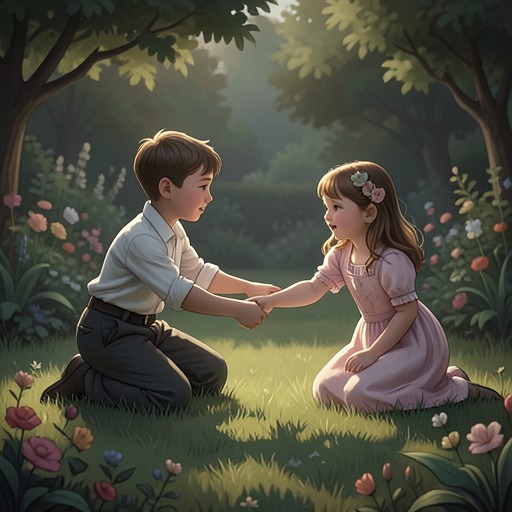
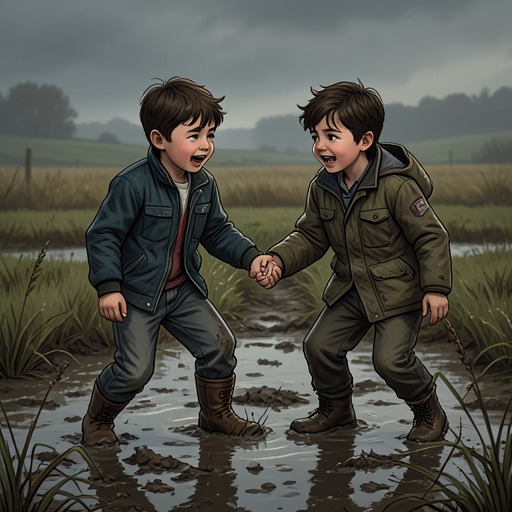
The disparity between her imagined reunion and the one that occurs gives the encounter its particular weight. Cushla had pictured herself bending down to a small boy; the person standing before her is a man. His glasses frame very blue eyes, which she distinguishes from Tommy’s violet eyes and associates with their mother’s icy blue. He wears a navy pea coat over a denim shirt and a maroon sweater that recalls a day when Cushla soaked him. These details make him recognizable through fragments of childhood while insisting that the years have passed. The skittishness Cushla remembers seems gone, though his first gesture—taking her hand and swinging it—makes the change less simple than she had hoped.
Recognition and the Past
Cushla tells Davy that she looked for him, and the emotion of saying it catches in her voice. The confession joins her years of searching to the fact of his return: she can finally address the person she had been seeking, but cannot recover the time in which she searched. The reunion is therefore not a restoration of their former roles. It is a meeting between a woman who remembers the boy and a man whose life continued beyond her view.
Davy points to the sculpture and identifies its subject as the man Tommy killed. Cushla already knows. His words make the family’s history of violence an explicit part of the conversation rather than a past that can be left outside the room. His question about the chances of this encounter conveys the coincidence of their meeting, while the sculpture gives that coincidence a concrete focus: they are together before an image associated with the death that connects their histories.
A Tentative Present
The reunion also introduces Davy as a father. He mentions having a daughter and says he had not been up to fatherhood at the time; he and the girl now see each other occasionally, which he calls a start. The qualification matters. Their relationship is neither presented as settled nor concealed behind a claim of easy reconciliation. Davy acknowledges a limited beginning, and Cushla’s remorse rises as she considers his separation from the family and what he missed. She is unsure whether to apologize or thank him, but Davy squeezes her hand rather than turning away.
When Ellen approaches, Davy releases Cushla gently and places his hand on his daughter’s arm, around her gorse tattoo. He introduces her to Cushla as Miss Lavery. Ellen says Davy has told her about Cushla, then picks lint from his sleeve and straightens his collar. Davy accepts these attentions shyly. Their gestures supply a quiet, concrete picture of a relationship that exists in the present, however tentative the conversation has made it sound. Cushla, who once searched for Davy as a missing boy, now meets him alongside the daughter who knows about her.
The Sculpture and an Open Ending
Before they part, Cushla looks once more at the shrouded figure. The linen’s close weave and folds remain visible through the resin, but the cast is hard, cold, and hollow. She reaches for it expecting it to yield; instead, its material surface confirms that it cannot answer her touch. For a moment she expects to feel a bump at the collarbone, but none is there. She runs her fingers down the figure’s right arm and covers its hand with hers. The sculpture makes absence tangible, while the living handclasp with Davy offers a sharply different kind of contact: limited, uncertain, but returned.
Davy says he was going to look at the John Lavery works and asks whether Cushla would like to join him. She says she would love to. The invitation does not resolve the years of separation or promise that their relationship will become close. Instead, the reunion ends with a next step they can choose to take together. Its significance lies in that modest opening: after searching for Davy and finding him changed, Cushla can meet him as he is, in the company of his daughter, and accept an invitation into the present.