Muleshead
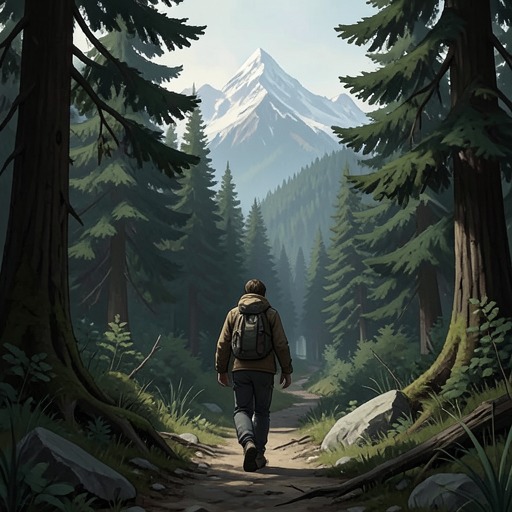
WomenMuleshead is a Utah destination associated with Lydia Vance’s family and its mountain property. In Henry Chinaski’s account, it is both a place Lydia regularly returns to for a Fourth of July dance and the setting of a strained camping trip, where the sisters’ outdoor life and literary interests meet Henry’s drinking and sharp-edged assessments.
Family Land and Annual Return
Lydia’s sisters camp in the mountains around Muleshead, on land the sisters own through an inheritance from their father. The place is therefore not simply a temporary campsite: it is family property, and the sisters’ gathering gives it a recurring role in Lydia’s life. When Lydia leaves, Henry tells Dee Dee Bronson that he thinks she has gone to Utah, since she never misses the Fourth of July dance in Muleshead.
That annual return makes Muleshead a point of continuity amid the instability of Henry and Lydia’s relationship. Henry’s account presents Lydia’s departure through uncertainty—he thinks he knows where she has gone, rather than describing a settled plan—and identifies the dance as the reason he expects her to be there.
The Camping Visit
On another occasion, Henry agrees to go to Muleshead to pacify Lydia. They arrive before the other sisters, while Glendoline is already camping in the woods in a tent and writing a novel called The Wild Woman of the Mountains. Henry and Lydia bring a pup tent and share it on their first night; the mosquitoes make the cramped arrangement miserable.
The next morning, Henry has spent forty dollars on groceries, including several six-packs of beer, which he cools in a mountain spring. After breakfast by the campfire, he helps with the dishes. Glendoline then reads aloud from her novel. Henry judges it as needing substantial polishing, faulting its assumption that readers will be as fascinated by Glendoline’s life as she is. His literary critique does not remain private: the reading becomes a point of friction between his dismissive standards and the sisters’ willingness to listen to Glendoline’s work.
A Rural Counterpoint
The Muleshead episode puts family camping, inherited land, a campfire, and a mountain spring alongside Henry’s familiar preoccupation with beer and writing. He goes to the spring for three bottles after the sisters decline beer, noting their opposition to it; the difference is small but telling, setting their preferences against his routine. Glendoline’s novel likewise brings writing into the outdoor gathering, while Henry responds as a critic rather than as a supportive guest.
Muleshead thus works less as a developed town portrait than as a setting where separate ways of living briefly converge. The annual dance anchors Lydia’s return to her family, while the camping visit shows Henry entering that world without fully joining it: he shares the tent and chores, but his drinking and skeptical response to Glendoline’s reading mark his distance from the group.