Babaloo
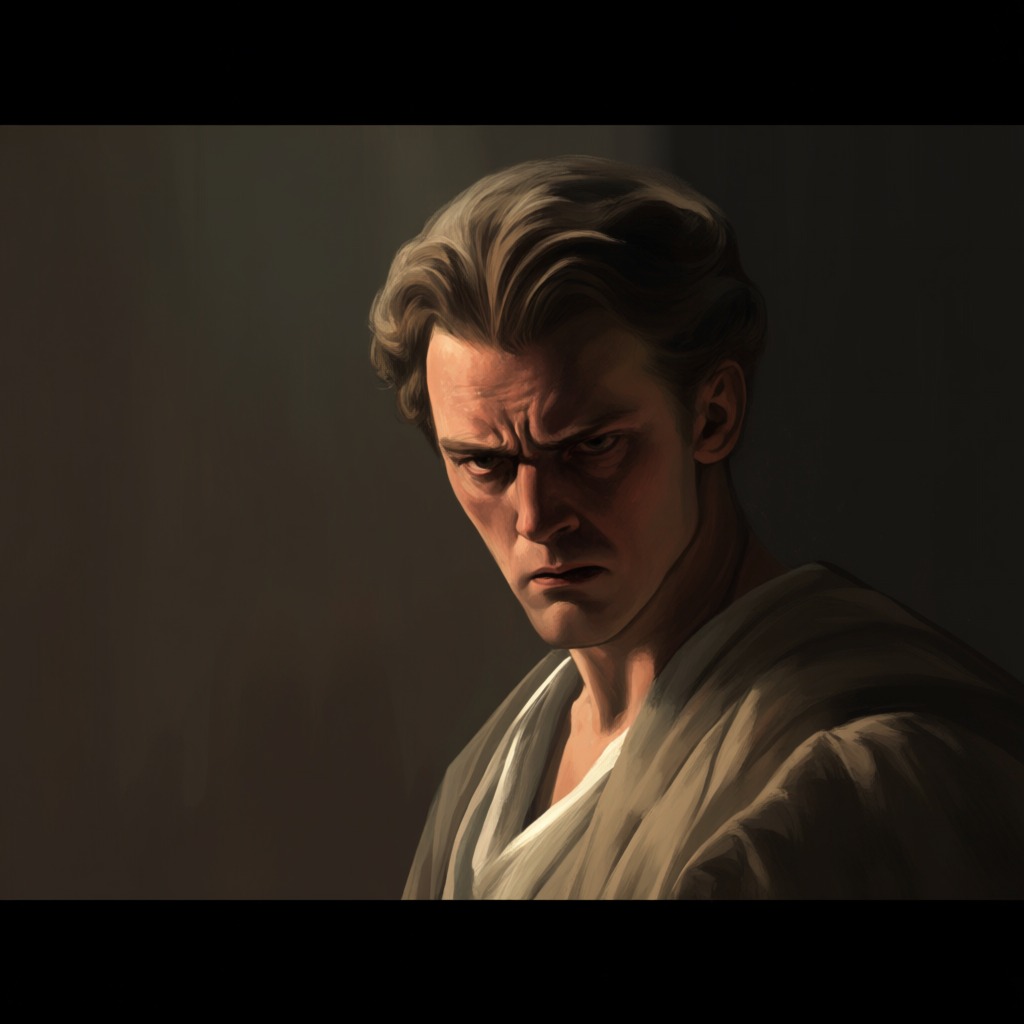
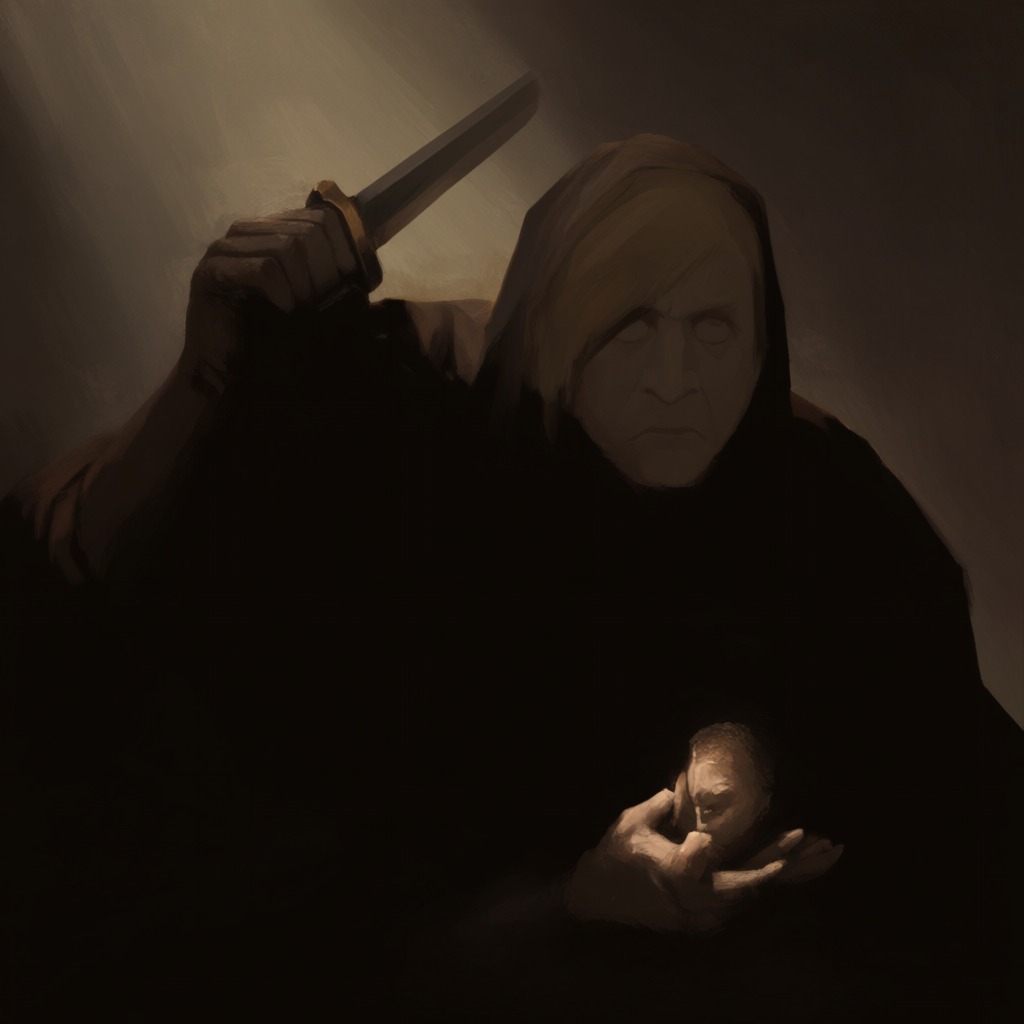
Babaloo is a bedtime prayer ritual that Laila performs with her son Zalmai, a nightly incantation meant to ward off the night-terror figure Babaloo. The ritual, which involves reciting the Bismallah a set number of times and a casting-away gesture, becomes a site of grief and deception after Rasheed's murder, as Laila must lie to Zalmai about his father's disappearance while performing the familiar prayer.
Definition and Performance
The Babaloo prayer is a private, nightly ritual between Laila and Zalmai. It consists of reciting "Bismallah-e-rahman-e-rahim" twenty-one times—one for each knuckle of seven fingers. After the recitation, Zalmai cups his hands before his face, blows into them, then places the back of both hands on his forehead and makes a casting-away motion while whispering, "Babaloo, be gone, do not come to Zalmai, he has no business with you. Babaloo, be gone." The ritual concludes with saying "Allah-u-akbar" three times. The prayer is designed to banish a night-terror figure named Babaloo, a creature that threatens children's sleep.
The Ritual After Rasheed's Death
On the night of Rasheed's murder, Laila finds Zalmai curled up on Rasheed's side of the mattress, waiting for his father to say the Babaloo prayers with him. When Laila offers to perform the ritual, Zalmai resists, saying, "You can't say them like he can." Laila nevertheless completes the prayer with him, and afterward Zalmai asks where his father has gone. Laila tells him the first of many lies: "Baba jan has gone away." Later that night, Zalmai wakes and asks in a muted voice, "Did Baba jan leave because of me? Because of what I said, about you and the man downstairs?" Laila cannot answer; he is already asleep.
The Ritual's Transformation
After their escape to Murree, Tariq takes over the responsibility of saying the Babaloo prayers with Zalmai. The ritual, once a bond between father and son, becomes a site of contested loyalty. Zalmai's resistance to Tariq's overtures—he rejects toys, calls Tariq a donkey, and threatens that his real father will beat Tariq up—is partly an attempt to preserve the exclusive intimacy of the Babaloo ritual. Laila knows that the lie about Rasheed's disappearance will have to be told again and again, "hopping down from a swing, waking from an afternoon nap," until eventually the questions dry up and Zalmai's father becomes a figure of lore rather than an open wound.
Thematic Significance
The Babaloo ritual embodies the tension between comfort and deception that structures Laila's motherhood. The prayer is a genuine source of solace—a nightly incantation against fear—but it becomes the vehicle for a foundational lie. The ritual's repetition, its precise gestures and words, mirrors the repetition of the lie itself, which Laila must deliver "again and again" until it becomes as automatic as the prayer. The Babaloo figure, a night-terror to be banished, is replaced by the real terror of a murdered father whose absence must be explained away. The ritual thus becomes a site where the sacred and the traumatic converge, where the act of soothing a child is inseparable from the act of deceiving him.