Burqa
The burqa is the most tangible and oppressive symbol of patriarchal control in A Thousand Splendid Suns, a garment that both enforces and embodies the systematic erasure of women from public life. Its meaning shifts across the novel's regimes, from a tool of personal domination under Rasheed to a state-enforced uniform under the Taliban, yet it remains a constant site of negotiation between submission, concealment, and, paradoxically, a measure of freedom.
Imposition and Early Experience
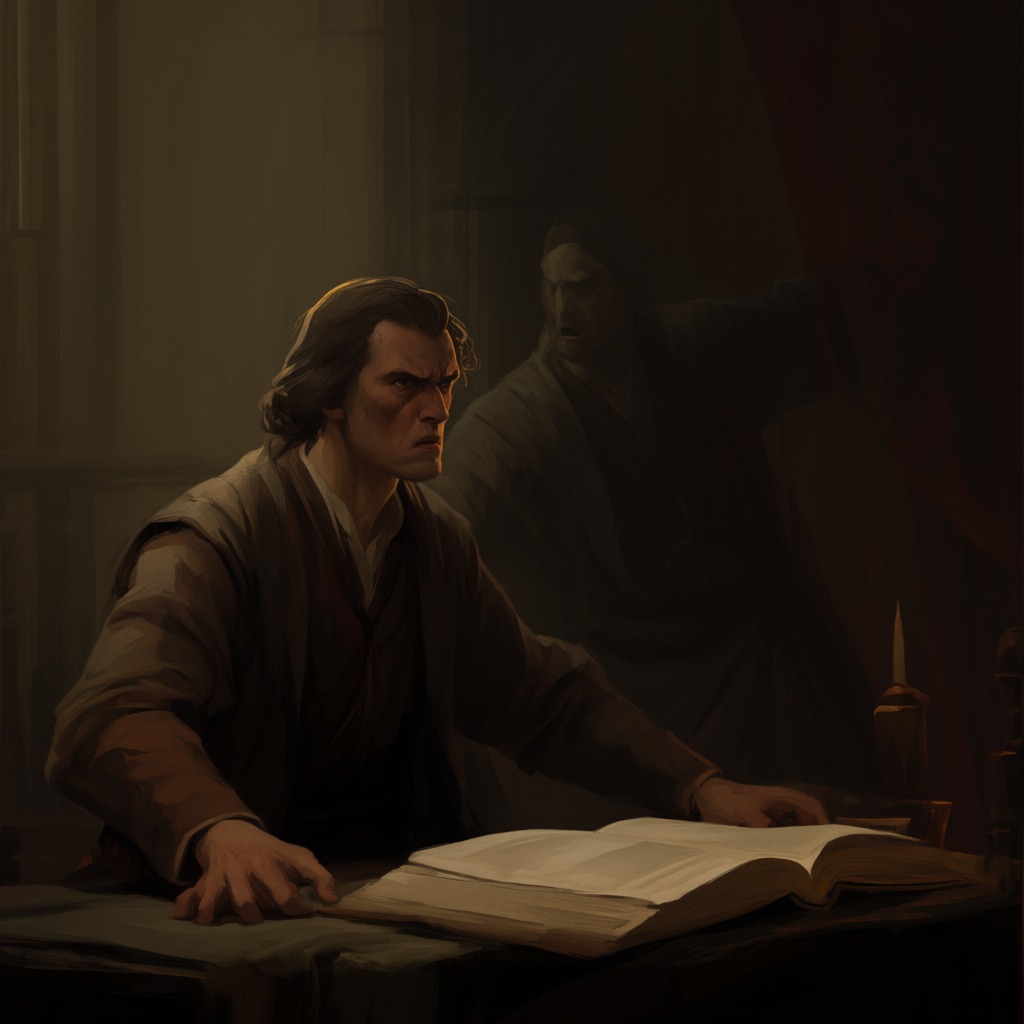
Rasheed introduces the burqa to Mariam not as a religious or cultural tradition but as a blunt assertion of his authority. On their first Friday together in Kabul, he presents her with a sky blue burqa, explaining that he is "a different breed of man" who believes "a woman's face is her husband's business only" . He contrasts himself with the "soft men" of Kabul who allow their wives to walk uncovered, framing the burqa as a marker of his honor and control. Mariam has never worn one before; Rasheed must help her put it on. The padded headpiece feels tight and heavy, the mesh screen distorts her vision, and she keeps stepping on the hem and stumbling . The loss of peripheral vision is unnerving, and the pleated cloth presses suffocatingly against her mouth. Yet, as she walks through the streets of Kabul, Mariam discovers an unexpected comfort: the burqa becomes "like a one-way window," buffering her from the scrutinizing eyes of strangers. Inside it, she is an observer, no longer worrying that people will know, with a single glance, "all the shameful secrets of her past" . This initial experience encapsulates the burqa's dual nature—a tool of subjugation that also offers a form of protective anonymity.
The Taliban's Codification
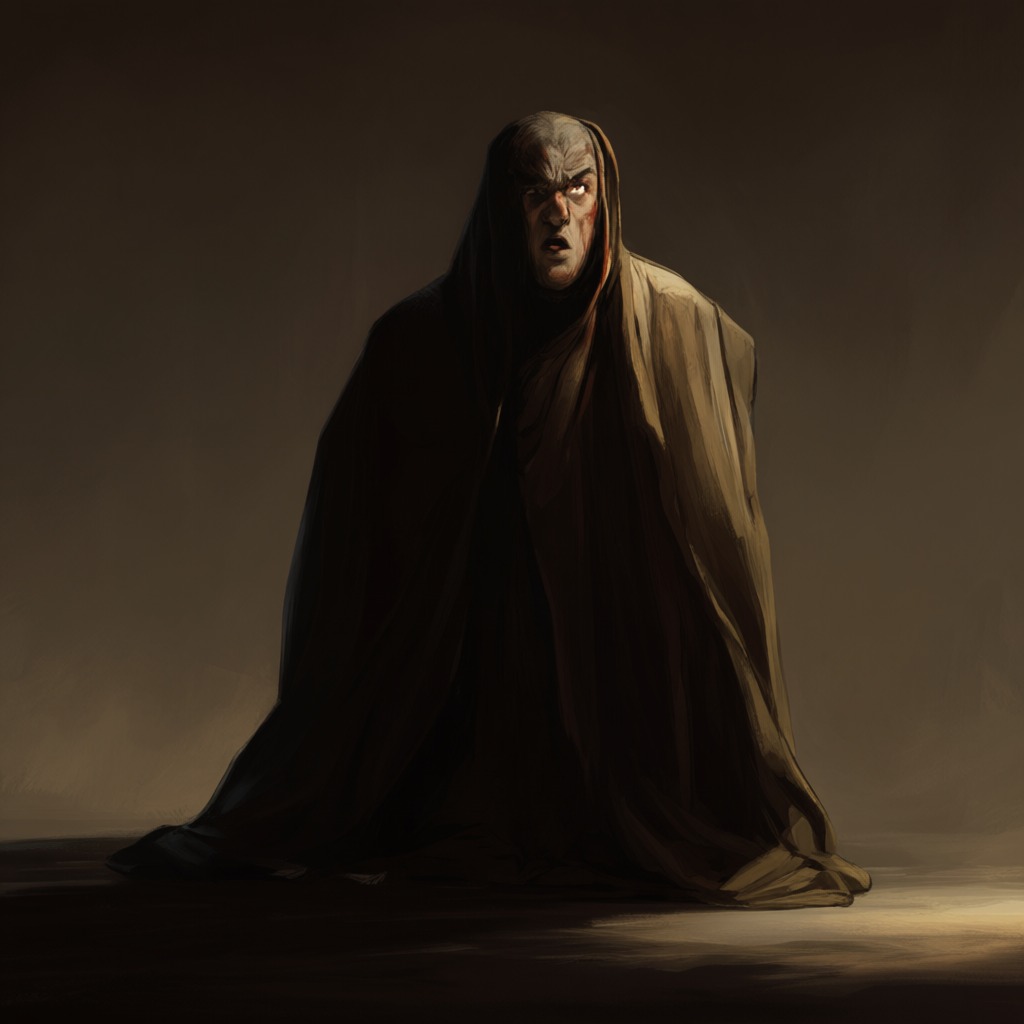
When the Taliban seize Kabul in September 1996, the burqa transforms from a personal imposition into a universal, legally enforced mandate. The new regime's decrees, broadcast from loudspeaker trucks and printed on flyers, explicitly state: "You will not, under any circumstance, show your face. You will cover with burqa when outside. If you do not, you will be severely beaten" . The law is absolute and carries the threat of state-sanctioned violence. Women are forbidden from working, girls from attending school, and any public appearance without a burqa and a male relative is punishable by beating . The burqa becomes the uniform of a gender apartheid, a visible sign of women's reduction to invisible, dependent beings. Laila, who had grown up in a relatively liberal Kabul where women worked as doctors and lawyers, is now forced to wear the garment whenever she leaves the house. The burqa's anonymity, which once offered Mariam a measure of relief, now becomes a cage, enforcing silence and invisibility.
The Burqa as a Site of Resistance and Sacrifice
Despite its oppressive function, the burqa also becomes a site of quiet resistance and, ultimately, of profound sacrifice. Laila learns to use the burqa's concealment to her advantage. When she defies Rasheed and the Taliban to visit her daughter Aziza at the orphanage, she wears the burqa to navigate the streets, knowing that the garment, while marking her as a woman under control, also renders her anonymous and thus harder to track. She takes to wearing extra layers beneath it for padding against the beatings she endures when caught . The burqa, in this context, becomes a tool of endurance, a shield against the violence it is meant to invite. The novel's most powerful reclamation of the burqa occurs in its final moments. As Mariam walks her last twenty paces toward the executioner at Ghazi Stadium, she is wearing a burqa. Through its "crisscrossing grid," she sees the shadow of the Talib's Kalashnikov . In her final thoughts, she reflects that she is leaving the world "as a woman who had loved and been loved back," a "person of consequence at last" . The burqa, the symbol of her lifelong subjugation, cannot diminish the dignity of her choice or the peace she has found. It is the garment of her oppression, but it is also the garment in which she achieves her final, sovereign act of self-definition.
Thematic Significance
The burqa in A Thousand Splendid Suns is not a static symbol but a dynamic object whose meaning is shaped by the women who wear it. It is imposed by men—first Rasheed, then the Taliban—as a tool of control, a way to enforce the rule that "a man's accusing finger always finds a woman" . Yet, within its folds, Mariam and Laila find a paradoxical space: anonymity from shame, a shield against violence, and, in Mariam's final moments, a garment that cannot contain the dignity of a life lived with purpose. The burqa ultimately becomes a testament to the women's endurance, their ability to find agency within constraint, and their refusal to be reduced to the sum of their oppressions. It is a thousand splendid suns hidden behind walls, a radiance that no decree can extinguish.