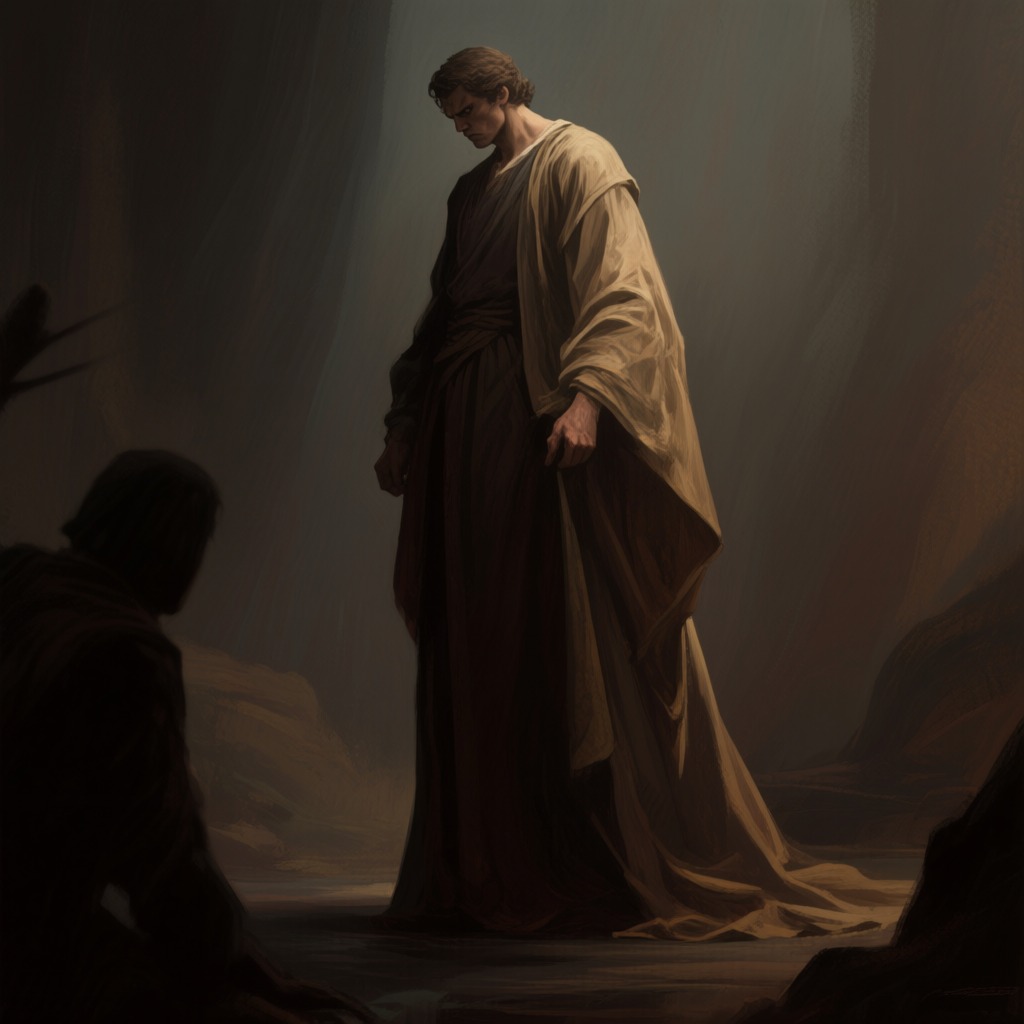
Laila
Laila is one of the two central protagonists of Khaled Hosseini's A Thousand Splendid Suns, a character whose life arc from a bright, beloved child to a war-orphaned survivor, then to a woman who endures an abusive marriage and finally rebuilds her life, embodies the novel's themes of endurance, sacrifice, and the redemptive power of love and education. Born on the night of the April 1978 communist coup, she is the daughter of Hakim, a gentle, bookish former teacher, and Fariba, a mother consumed by grief after her two sons are killed in the jihad against the Soviets. Laila's childhood is marked by the warmth of her father's intellectual encouragement and the painful neglect of her mother, who is lost in mourning. Her closest companion is Tariq, a one-legged boy who becomes her first love, and their bond is tested by the escalating violence of the Mujahideen civil war that tears Kabul apart.
Life and Plot Trajectory
Laila's life is shattered by a rocket attack that kills both her parents and destroys her home. She is rescued from the rubble by Rasheed, a shoemaker who had long been her neighbor. Shortly after, a stranger named Abdul Sharif delivers the false news that Tariq has died in a refugee camp, leaving Laila utterly alone. Pregnant with Tariq's child, she accepts Rasheed's marriage proposal to secure a future for her baby, a decision that traps her in a violent and oppressive household. She gives birth to a daughter, Aziza, and later to a son, Zalmai, but Rasheed's cruelty escalates with the family's poverty and the drought. Laila's friendship with Mariam, Rasheed's first wife, grows from hostility into a deep, sisterly bond that sustains them both. After a failed escape attempt to Pakistan, Rasheed locks Laila and Aziza in a room without food or water for days, and later beats Laila savagely when Tariq, who is actually alive, returns to Kabul. In the climactic confrontation, Mariam kills Rasheed to save Laila, then surrenders herself and is executed by the Taliban. Laila escapes to Pakistan with Tariq, marries him, and eventually returns to Kabul to work as a teacher at the orphanage where Aziza had once lived, pregnant again and determined to contribute to her country's rebuilding.
Key Actions and Objectives
Laila's primary objective throughout the novel is survival and the protection of her children. She marries Rasheed to give her unborn child a home, endures years of physical and psychological abuse, and secretly steals money from him to fund an escape. She attempts to flee to Pakistan with Mariam and Aziza, but is caught by the police and returned to Rasheed, who punishes her brutally. After Mariam's sacrifice, Laila escapes to Murree, Pakistan, with Tariq, where they marry and begin a new life. Her most significant action is her decision to return to Kabul after the fall of the Taliban, driven by a sense of duty to her parents' memory and to Mariam's legacy. She becomes a teacher at the orphanage, using Jalil's inheritance to help rebuild it, and finds purpose in educating children who have suffered as she did.
Relationships and Conflict
Laila's relationships are defined by love, loss, and survival. Her bond with her father, Hakim, is the most formative; he instills in her a love of learning and a belief in her potential, telling her that "a society has no chance of success if its women are uneducated." Her mother, Fariba, is emotionally absent, consumed by grief for her martyred sons, and Laila feels overshadowed by their memory. Her love for Tariq is the central romantic relationship of her life, beginning in childhood and surviving years of separation and false news of his death. Their reunion in Kabul is a moment of profound relief and hope, and they marry in Murree. Her marriage to Rasheed is one of coercion and violence; he beats her, controls her every move, and forces her to wear a burqa. The most transformative relationship is her friendship with Mariam, which evolves from bitter rivalry into a deep, sisterly bond. Mariam's sacrifice—killing Rasheed to save Laila and then accepting execution—is the ultimate act of love, and Laila carries her memory as a guiding force. Laila also struggles with her son Zalmai, who worships his father Rasheed and initially rejects Tariq, and with Aziza, whom she is forced to place in an orphanage during the worst of the drought.
Change and Ending
Laila undergoes a profound transformation from a hopeful, educated girl to a war-orphaned survivor, then to a woman who endures unimaginable suffering and finally reclaims her agency. After Mariam's execution, Laila escapes to Pakistan, marries Tariq, and begins a quiet life in Murree. But she feels a growing restlessness and a sense of duty to return to Kabul. She tells Tariq, "I want to do something. I want to contribute." They return to Kabul, where Laila becomes a teacher at the orphanage, using Jalil's inheritance to help rebuild it. She is pregnant again, and if the child is a girl, she has already named her Mariam. The novel ends with Laila in the classroom, sunlight on her face, feeling Mariam's presence in the children's laughter and the verses Aziza recites. She has moved on from resentment, choosing hope and action over bitterness, and her final act is to educate the next generation, fulfilling her father's belief in her potential and honoring Mariam's sacrifice.
Thematic Significance
Laila's story embodies the novel's central themes of endurance, sacrifice, and the redemptive power of love and education. Her life is a testament to the resilience of Afghan women in the face of war, domestic violence, and oppressive regimes. Her relationship with Mariam demonstrates how female solidarity can be a source of strength and salvation. Her decision to return to Kabul and teach at the orphanage represents a commitment to rebuilding her country and to the belief that education is the key to a better future. Laila's journey from a girl who dreamed of escaping to a woman who chooses to return and contribute reflects the novel's message that hope and purpose can be found even after the most devastating losses. Her final pregnancy, with the possibility of naming a daughter Mariam, symbolizes the continuation of love and memory beyond death.