Northern Alliance
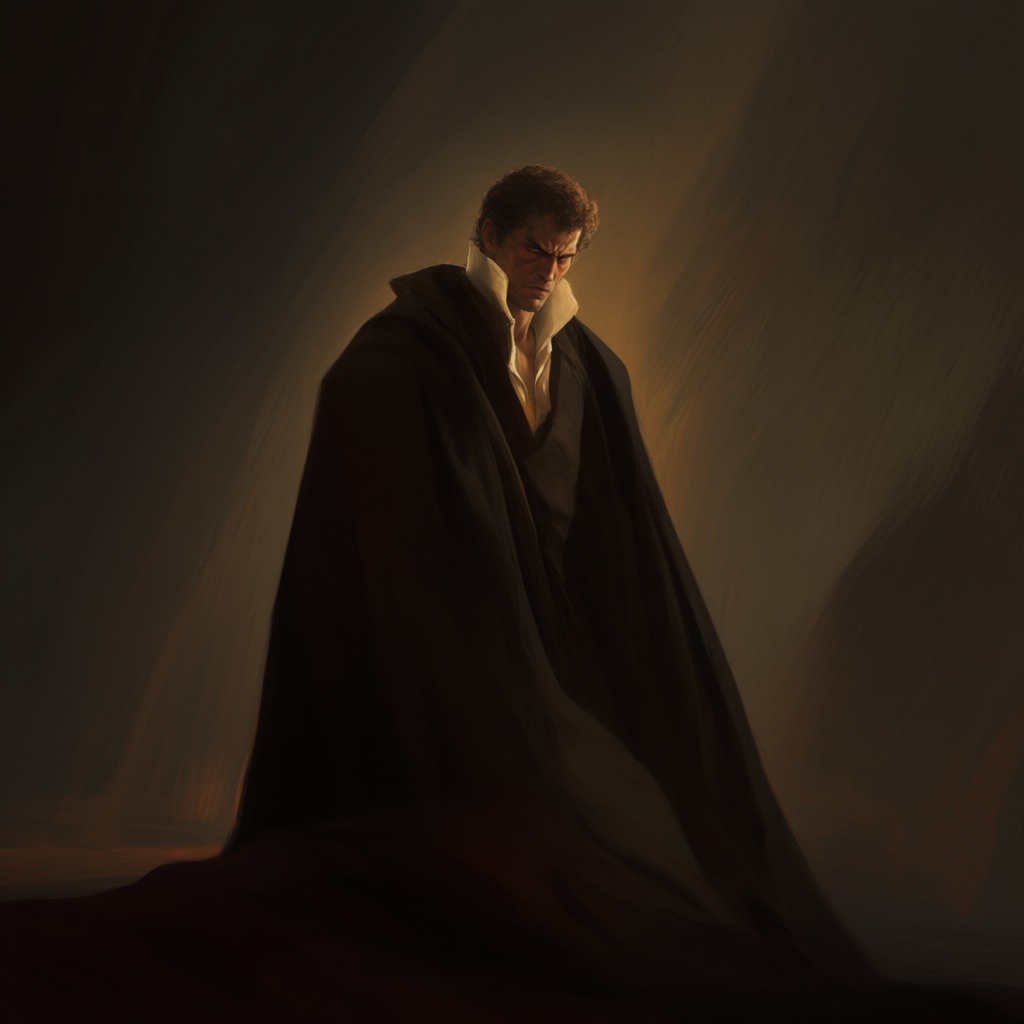
The Northern Alliance, officially known as the United Islamic Front for the Salvation of Afghanistan, was the primary military and political coalition that resisted the Taliban regime after the Taliban captured Kabul in September 1996. For Laila, whose mother Fariba had long idolized the Mujahideen commanders who fought the Soviets, the alliance represented a complex legacy: it was both the force that had buried her brothers with honor and the faction whose infighting had devastated Kabul and killed her parents. The alliance was led by Ahmad Shah Massoud, the Lion of Panjshir, a brooding, charismatic Tajik commander whose face became ubiquitous in Kabul on billboards, walls, and flags mounted on taxi antennas. Fariba had nailed a poster of Massoud in her room and spoke of him with reverence, believing he was a reflective, honorable man who had personally overseen the burial of her sons and said a prayer at their grave. Even after the Mujahideen factions turned on each other and Kabul was destroyed by rocket fire, Fariba refused to blame Massoud, insisting he wanted peace but was not allowed to achieve it.
Formation and Composition
The Northern Alliance was formed as a coalition of various Mujahideen factions that had fought the Soviet occupation in the 1980s but later turned against each other after the fall of the communist government in 1992. The alliance was dominated by Massoud's Jamiat-e-Islami faction, which drew support primarily from Tajik Afghans, but also included Uzbek forces under the flamboyant commander Abdul Rashid Dostum, who had a reputation for shifting allegiances. Dostum had fought the Soviets alongside the Mujahideen, then defected to join Najibullah's communist regime, earning a medal from Najibullah himself, before defecting once again to rejoin the Mujahideen. By the time the Taliban emerged, Dostum was supporting Massoud, though his loyalties remained unpredictable. The alliance also included Hazara factions such as Hizb-e-Wahdat, led by Abdul Ali Mazari, who had strong Shi'a ties to Iran, and Pashtun commanders like Abdul Rasul Sayyaf, who had Arab connections. This coalition of former enemies was united primarily by their shared opposition to the Taliban, but internal divisions and historical rivalries made the alliance fragile.
Military and Political Role
After the Taliban captured Kabul in September 1996, Massoud and the Northern Alliance withdrew to the north and continued to fight from their strongholds in the Panjshir Valley and other regions. For years, the alliance was the only organized military force actively resisting Taliban rule, though it was steadily losing ground. In the spring of 2001, Massoud traveled to France and spoke before the European Parliament, warning the West about terrorist camps in Afghanistan and pleading with the United States to help him fight the Taliban. He told European leaders, "If President Bush doesn't help us, these terrorists will damage the U.S. and Europe very soon." This warning proved prescient. On September 9, 2001, two days before the attacks on the World Trade Center, Massoud was assassinated by Al-Qaeda operatives posing as journalists, who detonated a bomb hidden in a video camera during an interview. His death was a devastating blow to the Northern Alliance, but it also galvanized international attention on Afghanistan.
Alliance with the United States
Following the September 11, 2001 attacks, the United States launched a military campaign against the Taliban and Al-Qaeda. The Americans armed the warlords once more and enlisted the help of the Northern Alliance to drive out the Taliban and find Osama bin Laden. The alliance, now fighting alongside U.S. special forces and air power, proved decisive in the rapid collapse of the Taliban regime. By late 2001, the Northern Alliance had retaken Kabul and other major cities, pushing the Taliban across the border into Pakistan and into the mountains of southern and eastern Afghanistan. The alliance's victory, however, came at a great cost: Massoud's assassination had removed its most unifying leader, and the coalition's internal divisions soon resurfaced.
Legacy and Significance
For Laila, the Northern Alliance's legacy was deeply ambivalent. She remembered how her mother Fariba had celebrated the Mujahideen's victory in 1992, believing her sons' sacrifice had been vindicated, only to watch the factions turn on each other and destroy Kabul. Laila could not forgive Massoud for the neighborhoods razed under his watch, the bodies dragged from rubble, the hands and feet of children discovered on rooftops days after their funerals. She remembered too clearly the look on her mother's face moments before the rocket slammed into their home, and her father's headless torso landing nearby. Yet, when the Americans bombed Afghanistan in 2001, Laila found herself hoping that the war might bring change, even as she struggled to reconcile that hope with the memory of her parents' deaths. The Northern Alliance, for all its flaws, had been the only force willing to fight the Taliban, and its alliance with the United States ultimately led to the end of Taliban rule, opening the door for the rebuilding of Afghanistan and the return of girls to schools, women to work, and the possibility of a different future.