Nana
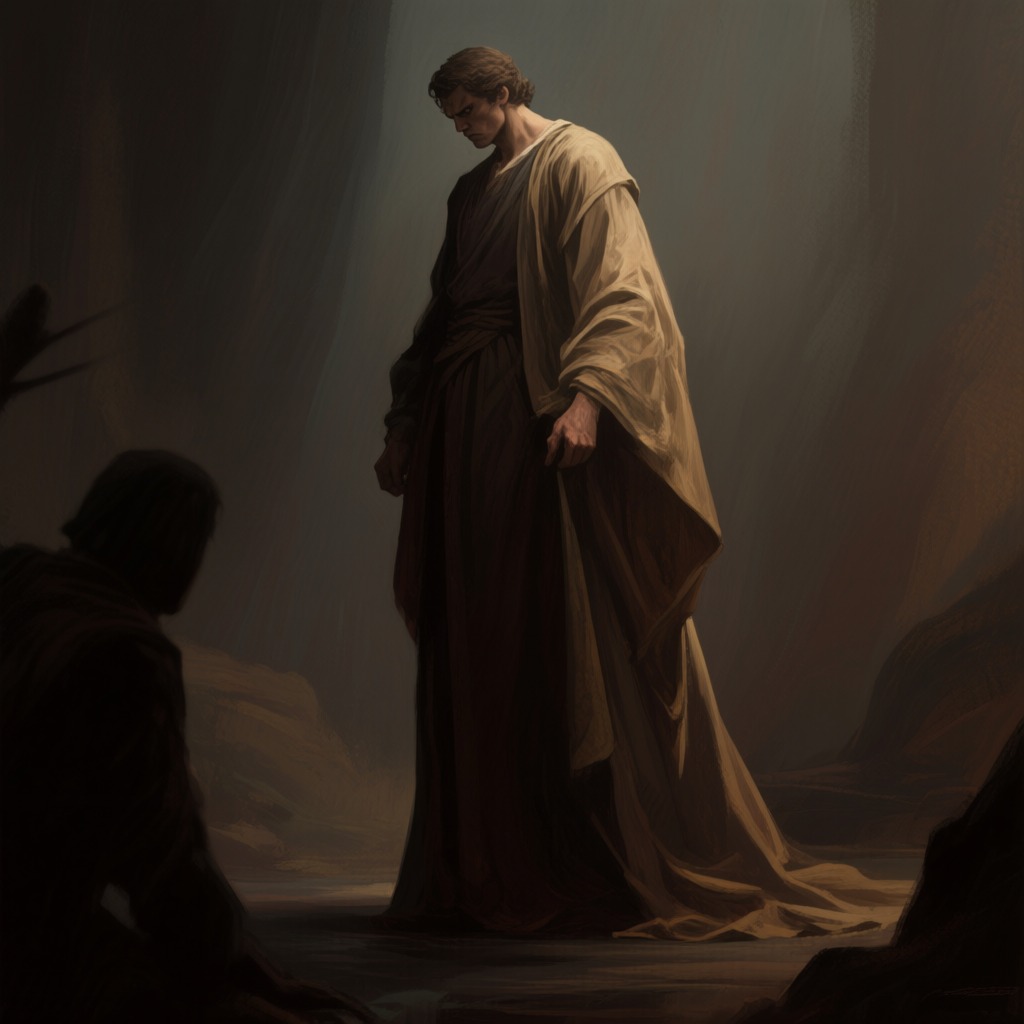
Nana is the mother of Mariam, the novel's first protagonist, and her life is defined by the shame and hardship of having borne a child out of wedlock. A former housekeeper in the home of the wealthy Herat businessman Jalil, Nana was cast out when her pregnancy became known, forced to live in a remote mud hut called the kolba with her daughter. Her bitterness toward Jalil, who refused to acknowledge her or their child publicly, is a constant presence in Mariam's early life, shaping her understanding of the world and her place in it.
Identity and Background
Nana was once a housekeeper in Jalil's household. When she became pregnant with Mariam, Jalil's family demanded she be thrown out, and her own father, a stone carver, disowned her and left the village of Gul Daman forever. Nana recounts that Jalil defended himself to his wives by claiming she had forced herself on him, a betrayal she uses to teach Mariam a bitter lesson about gender: "Like a compass needle that points north, a man's accusing finger always finds a woman. Always." She suffers from a condition she and the villagers call "jinn" possession, which causes her to collapse, her body tightening and shaking, with froth at her mouth. This illness led to the cancellation of her only engagement, to a parakeet seller from Shindand, when she was fifteen. After that, there were no more suitors.
Life in the Kolba and Relationship with Mariam
Nana raised Mariam in the kolba, a small mud-and-straw structure built by Jalil and his sons as a form of penance. She taught Mariam to cook, sew, and make bread, but her parenting was marked by resentment and emotional manipulation. She calls Mariam a "harami" (bastard), telling her she is an unwanted thing who will never have legitimate claim to love, family, or home. When Mariam expresses a desire to attend school, Nana refuses, telling her that the only skill a woman like them needs is to "endure." She warns Mariam that she will be laughed at and called harami at school. Nana is fiercely possessive, telling Mariam, "You're all I have. I won't lose you to them." She makes no secret of her dislike for visitors, though she tolerates a few, including the village elder Habib Khan and the gossipy Bibi jo. Her relationship with Mullah Faizullah, the elderly Koran tutor, is strained; she sharply rebukes him when he tries to advocate for Mariam's education.
The Suicide and Its Aftermath
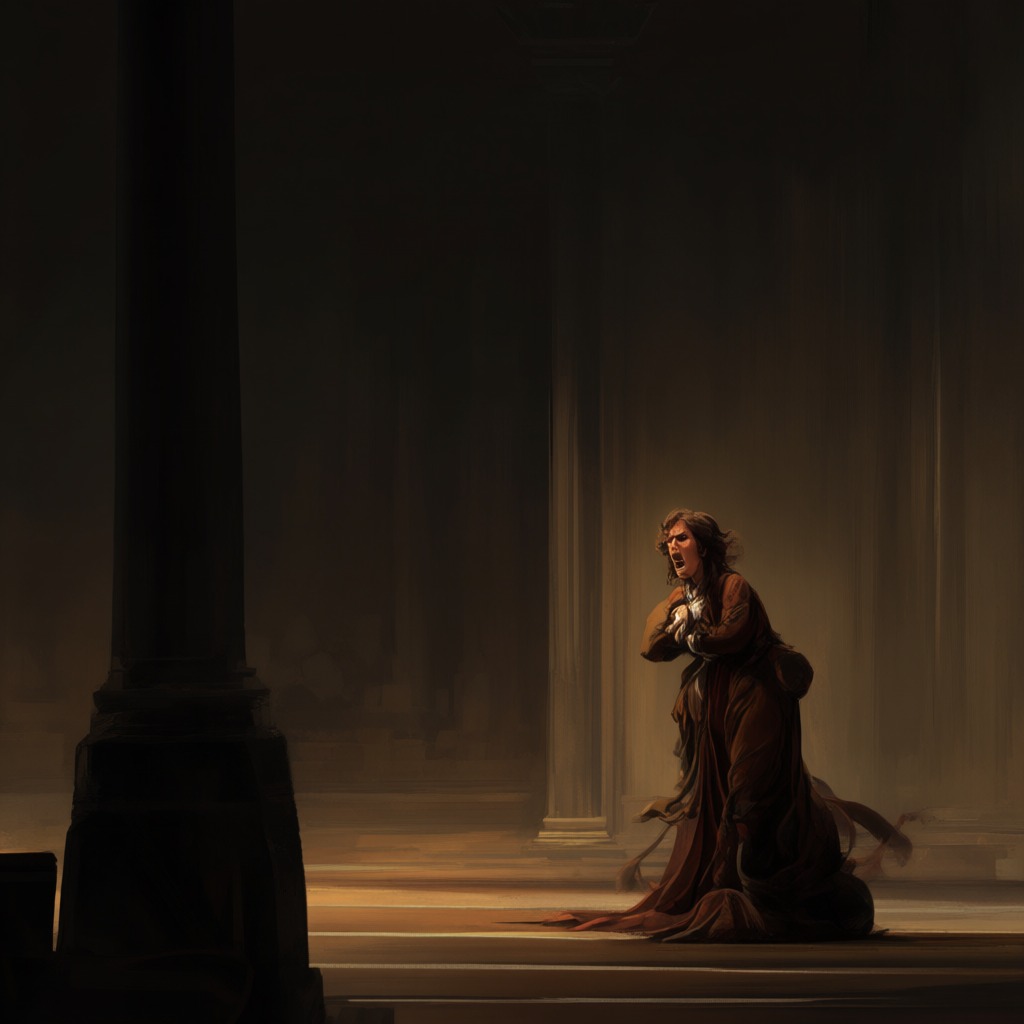
When Mariam, at age fifteen, decides to go to Jalil's house in Herat to ask to be taken to his cinema, Nana reacts with fury, mockery, and guilt. She paces the kolba, clenching her fists, calling Mariam a treacherous harami. She warns that she will die if Mariam leaves, that the jinn will come and she will have a fit. When Mariam ignores her and goes to Herat, Nana hangs herself from a weeping willow tree. Mariam discovers her body upon returning, a sight that haunts her for the rest of her life. Mullah Faizullah later tells Mariam that Nana was a troubled and unhappy woman, that the seed for what she did was planted long ago, and that it was not Mariam's fault. But Mariam cannot bring herself to believe him, and the guilt of her mother's suicide becomes a permanent burden.
Thematic Significance
Nana embodies the novel's central theme of female endurance under patriarchal oppression. Her life is a catalogue of injustices: seduced and abandoned by a wealthy man, disowned by her father, afflicted with a misunderstood illness, and forced to raise a child in isolation and poverty. Her bitter wisdom—that a man's accusing finger always finds a woman—is a prophecy that Mariam's own life will fulfill. Nana's suicide is the first of many traumatic losses that shape Mariam's character, teaching her that love is a damaging mistake and hope a treacherous illusion. Yet Nana's own sacrifices, as Mariam later comes to understand, were also a form of love, however flawed. In the end, Mariam's final act of killing Rasheed to save Laila is a direct inversion of Nana's suicide: instead of destroying herself, Mariam destroys the oppressor, breaking the cycle of passive endurance that Nana had taught her.