Hakim
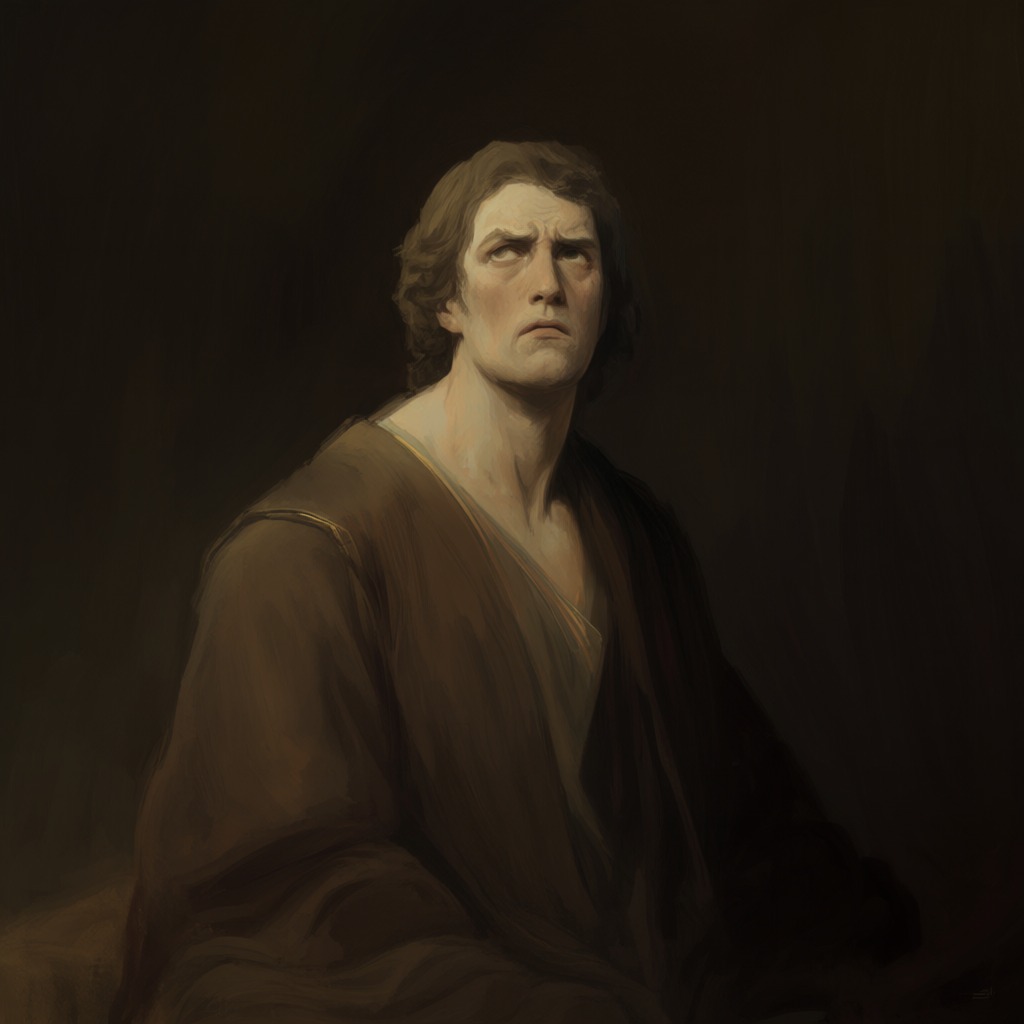
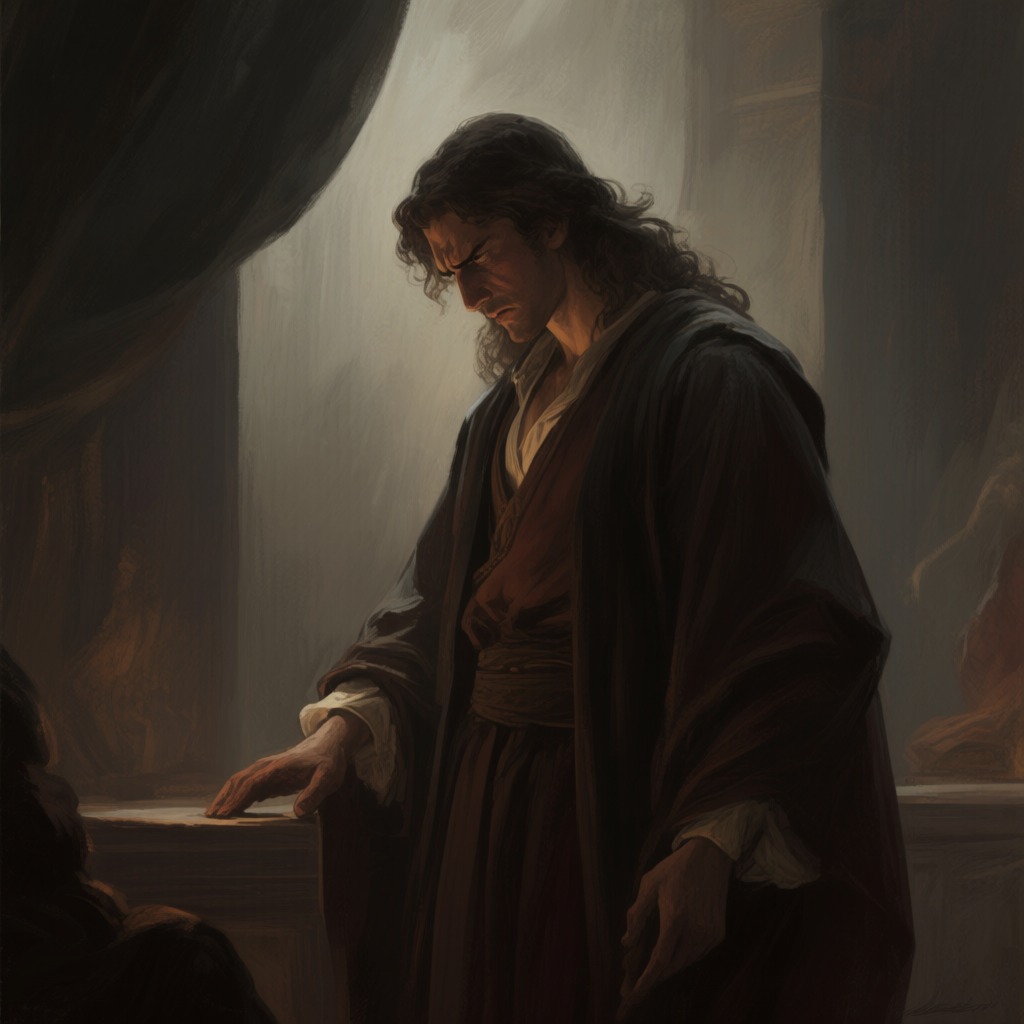
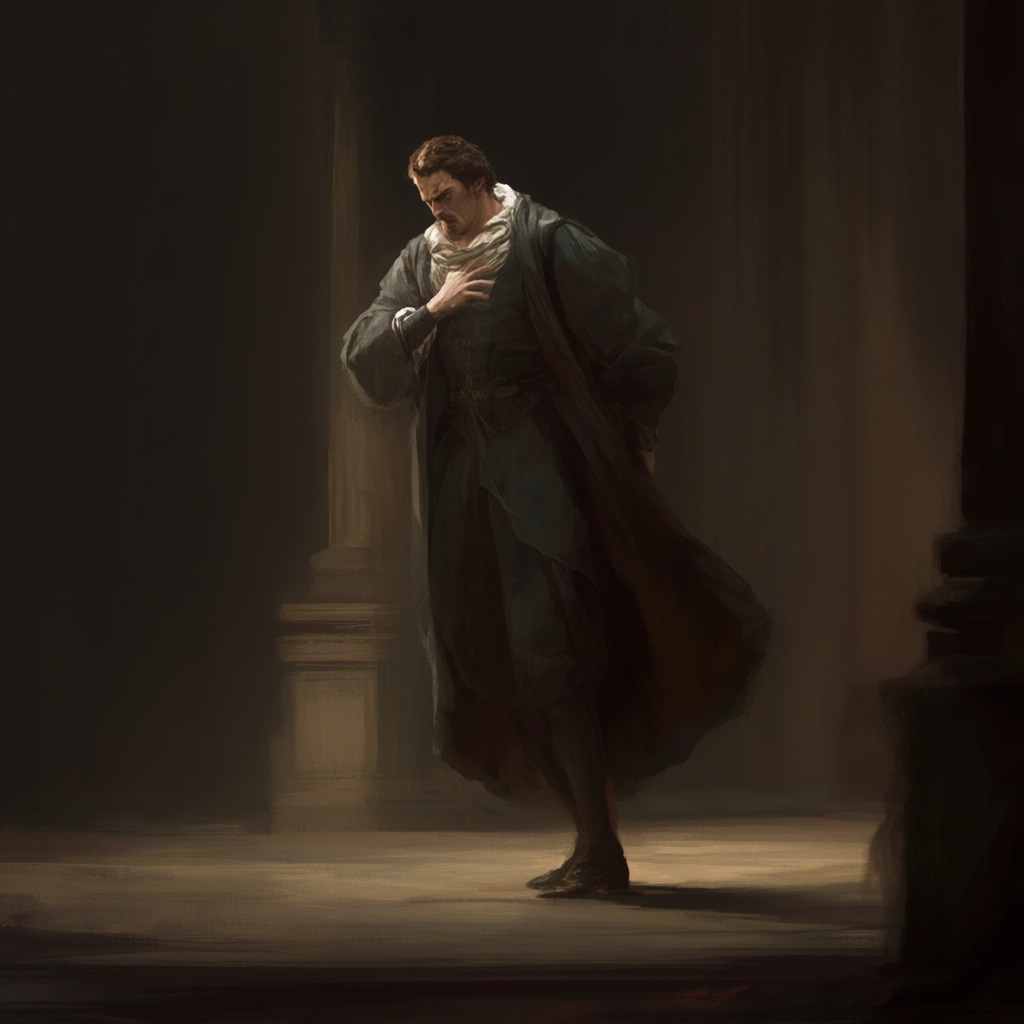
Hakim, known to his daughter Laila as Babi, is a small, gentle man whose life is defined by quiet intellectual passion, deep love for his family, and a tragic inability to protect them from the wars that consume Afghanistan. A former high school teacher fired by the communist regime for his political views, he works at Kabul's Silo bread factory, yet his true vocation remains the education of his daughter, whom he believes can become anything she wants. His death, moments before the family's planned escape from Kabul, is the pivotal catastrophe that leaves Laila orphaned and vulnerable, setting the entire second half of the novel in motion.
Identity and Background
Hakim is a Tajik from the Panjshir Valley, a first cousin to his wife Fariba, whom he married as a young man after she boldly proposed to him. He is a university-educated man, a former teacher who was fired by the communists shortly after the 1978 coup, about a year and a half before the Soviet invasion. After losing his teaching post, he took work at Silo, Kabul's gigantic bread factory, laboring amid heat and humming machinery. Despite this menial labor, he remains a man of books and learning: he knows most of Rumi's and Hafez's ghazals by heart, can speak at length about the struggle between Britain and czarist Russia over Afghanistan, and knows the difference between a stalactite and a stalagmite. He is physically slight, with narrow shoulders and slim, delicate hands, and is famously inept at practical tasks—squeaky door hinges never get oiled, ceilings leak after he plugs them, and mold thrives defiantly in kitchen cabinets. As Fariba once said, "If you have a book that needs urgent reading, then Hakim is your man."
Life and Plot Trajectory
Hakim's life is shadowed by the loss of his two sons, Ahmad and Noor, who left to join the jihad against the Soviets in 1980 and were killed in Panjshir. The news arrives via a stranger at the door, and Hakim's face turns white as he learns of their deaths. After this, he becomes the quiet, enduring center of a household dominated by Fariba's incapacitating grief. He continues to work at Silo, comes home to a wife who will not speak to him, and devotes his evenings to teaching Laila. He takes her on a memorable trip to Bamiyan to see the giant Buddhas, telling her that some things "you just have to see and feel." There, atop the Buddha's head, he confesses his own grief for the boys and his dream of leaving Afghanistan—first to Pakistan, then perhaps to America, somewhere near the sea, where they would open a small Afghan restaurant. But he knows Fariba will never leave, and he will not leave without her. In the final days before the family's planned departure, he is seen weeping as he packs his books, reciting Saib-e-Tabrizi's lines about Kabul: "One could not count the moons that shimmer on her roofs, / Or the thousand splendid suns that hide behind her walls." He is killed by a rocket while Laila is moving boxes in the yard; his headless torso lands nearby, the bridge tower printed on his T-shirt poking through thick fog and blood.
Key Actions and Objectives
Hakim's central objective is Laila's education and safety. He tells her from a young age that "marriage can wait, education cannot," and that when the war is over, Afghanistan will need its women as much as its men. He teaches her himself after the streets become too dangerous for school, covering Hafez, Khalili, quadratic equations, and parametric curves. When Fariba finally agrees to leave Kabul after a bullet narrowly misses Laila, Hakim is the one who orchestrates the plan, selling their belongings and packing their books. His final act is to try to save his books from the rubble, a task that costs him his life.
Relationships and Conflict
Hakim's relationship with Fariba is the novel's most poignant portrait of a marriage eroded by grief. She accuses him of having no convictions, of letting their sons go to war "like they were a pair of haramis." He absorbs her accusations silently, waiting for the storm to pass. Yet Laila understands that Fariba is "the one unfailing conviction of his life"—he will never leave her, even though she is no longer a wife to him. With Laila, Hakim is tender and intellectually companionable, though physically reserved. He rarely expresses affection physically, but on the Buddha's head in Bamiyan, he tells her she is "all I have" and hugs her awkwardly. He is also a gentle presence in the neighborhood, playing chess with Tariq's father and engaging in political discussions, though he stands at a safe distance when a fight breaks out at the family's celebration party.
Change and Ending
Hakim changes little over the course of the novel; he is consistently gentle, bookish, and devoted. His arc is one of endurance rather than transformation. The most significant shift is his decision to finally leave Kabul after the bullet incident, a decision that represents a surrender of his dream of staying for Fariba's sake. His death is sudden and brutal, a random rocket that ends his life just as hope was beginning to emerge. He dies wearing a secondhand T-shirt with a picture of San Francisco's Golden Gate Bridge, the symbol of the American dream he would never reach.
Narrative Role and Evaluation
Hakim functions as the moral and intellectual anchor of Laila's childhood, the embodiment of the enlightened, educated Afghan man who believes in women's rights and peaceful progress. His death is the novel's most devastating turning point, the moment that transforms Laila from a hopeful girl into an orphan who must marry Rasheed to survive. He is also a foil to the novel's other fathers: unlike Jalil, who abandons Mariam, and Rasheed, who brutalizes his wives, Hakim is gentle, faithful, and self-sacrificing. His legacy lives on in Laila's decision to return to Kabul and become a teacher at the orphanage, fulfilling his belief that she could be "somebody."