Noor
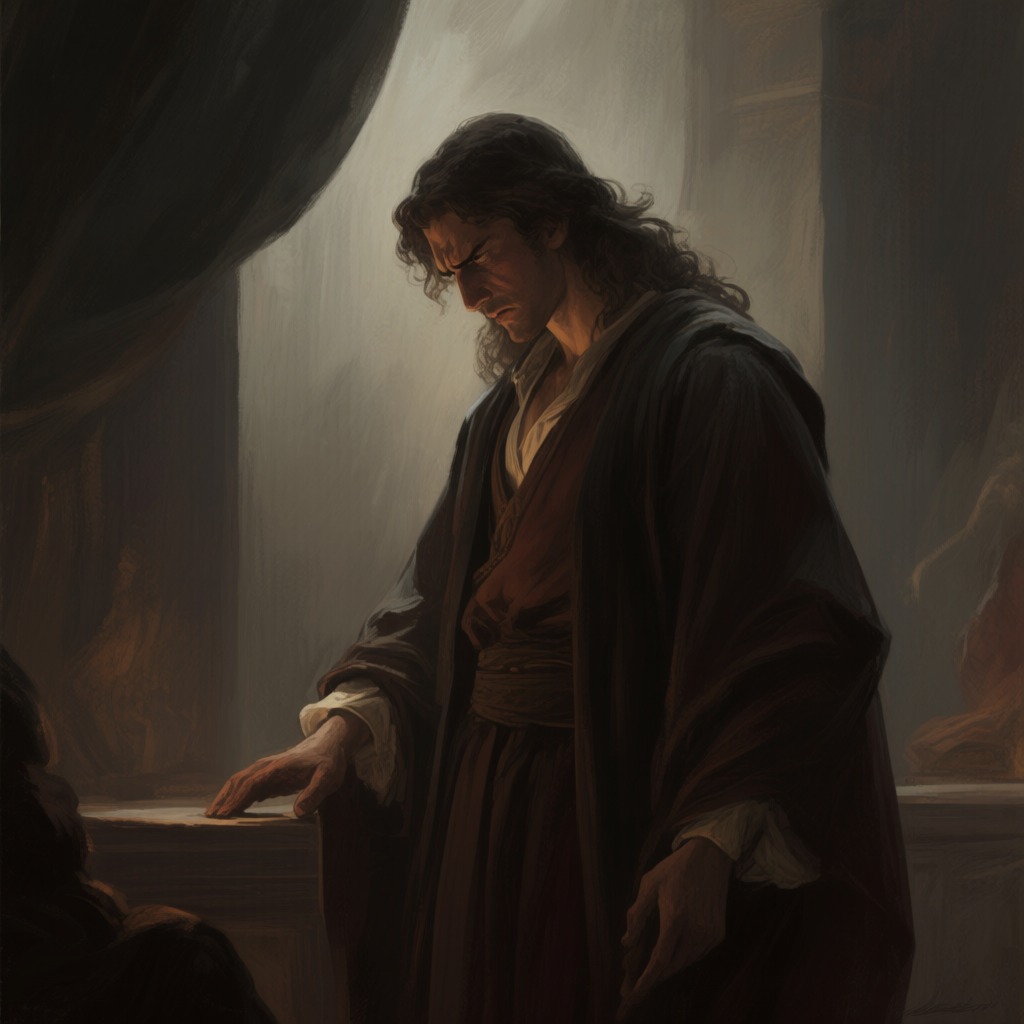
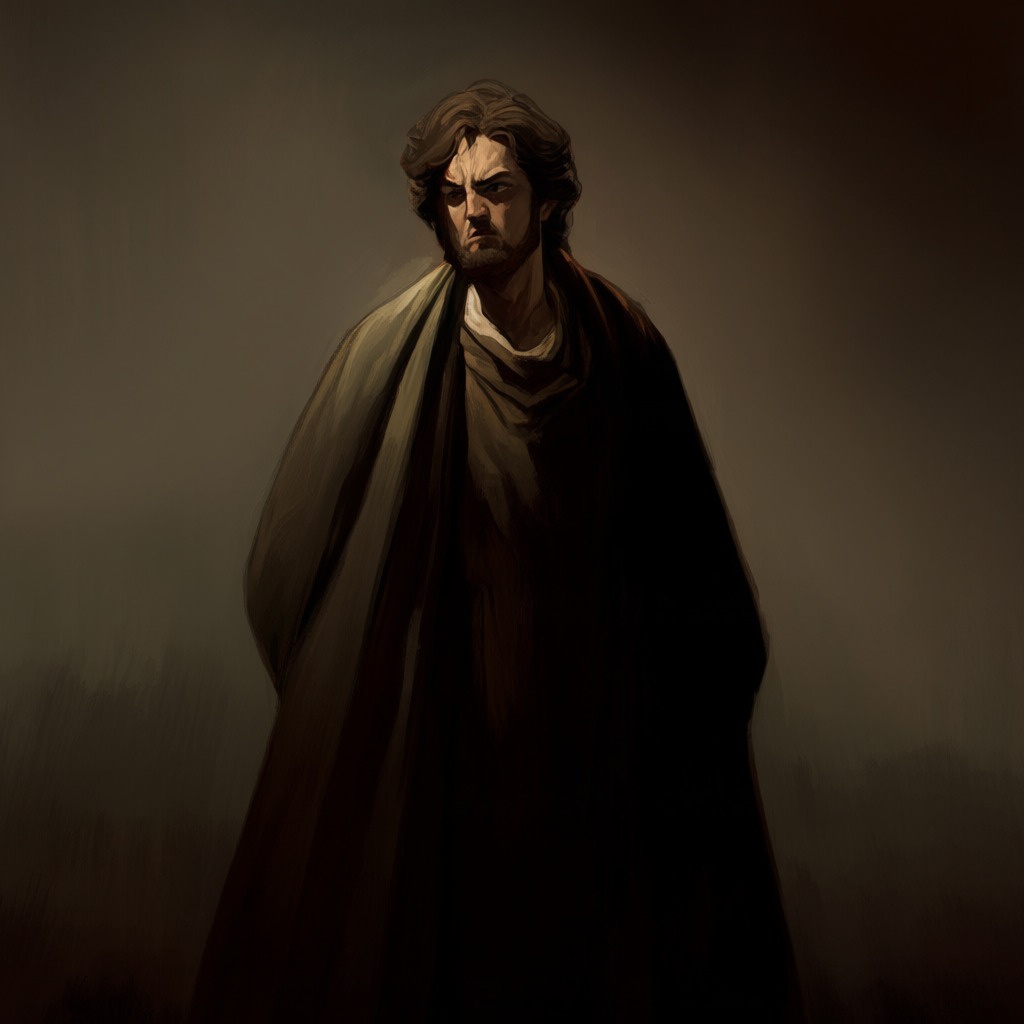
Noor is the younger son of Hakim and Fariba, a boy whose lively, mischievous nature and early death in the Soviet-Afghan war become the defining wound of his mother's life and a shadow over his sister Laila's childhood. He is remembered for his wiry hair, his reckless grin, and the patch of black hairs on the lobe of his left ear, details that Laila clings to as the only tangible remnants of a brother she barely knew.
Identity and Introduction
Noor is introduced as a ten-year-old boy with a smooth, happy face and a mischievous, reckless light in his eyes. He is the younger of Fariba's two sons, the elder being Ahmad. When Laila's new neighbor Mariam first encounters Noor at the communal tandoor, he raises his hand and greets her with a cheerful "Salaam, Khala Jan." His mother describes him as "ten going on forty," a joke that hints at a premature maturity forced upon him by the war that will soon claim his life. Noor is also present during the Eid celebrations, dressed in a suit, walking beside his father and brother, a fleeting image of a family still intact.
Life and Plot Trajectory
Noor's life is cut short before the reader ever sees him as an adult. He and his brother Ahmad leave Kabul for Panjshir to join Commander Ahmad Shah Massoud's forces and fight the jihad against the Soviets. Laila, who is only two years old when they depart, retains almost no memory of them: a shiny Allah pendant around Ahmad's neck, and the patch of black hairs on Noor's ear. The news of their deaths arrives in a single, devastating scene: a stranger in a potato-colored coat and a brown wool pakol appears at the door, delivers muted words, and Hakim's face turns white while Fariba screams and tears at her hair. The brothers are killed together, and the messenger reports that Massoud himself oversaw their burial and said a prayer at their gravesite. Noor is described as having been an aspiring architect, constantly making sketches of buildings and bridges, a dream that dies with him.
Relationships and Conflict
Noor's relationship with his mother Fariba is the most consequential of his brief life. Fariba's love for her sons is absolute and, after their deaths, becomes a consuming, pathological grief that alienates her from her surviving daughter, Laila. Fariba keeps their room as a shrine, with pictures of Ahmad and Noor covering the walls, and she speaks of them constantly, comparing Laila unfavorably to their memory. She tells Laila that Noor was going to transform Kabul with his designs, and that she wants to see the Mujahideen victory parade so that her sons can see it through her eyes. This devotion leaves Laila feeling like a mere visitor to the museum of her brothers' lives, a parchment on which their legends are inscribed. Noor's relationship with his father Hakim is less defined, but Hakim is shown to be deeply affected by the loss, admitting to Laila that it broke him too, though he expresses his grief more quietly than Fariba.
Change and Ending
Noor's death is the catalyst for Fariba's long, debilitating depression. She takes to her bed, wears black, and develops a series of psychosomatic ailments. The family's dynamic is permanently altered: Hakim becomes a diminished figure, and Laila is forced to shoulder the household chores and emotional labor. The loss also prevents the family from leaving Afghanistan, as Fariba refuses to abandon the land where her sons' blood was shed. Noor's death, along with Ahmad's, is the central trauma that shapes the second half of the novel, creating the conditions of poverty, grief, and immobility that lead to Laila's disastrous marriage to Rasheed. In the end, Noor is not a character who changes; he is a fixed point of loss around which the lives of the living revolve.
Narrative Role and Evaluation
Noor functions primarily as a symbol of the war's cost and the generational tragedy of Afghanistan. He is a ghost who haunts the narrative, a beloved son whose absence defines his mother's identity and his sister's childhood. His death, along with Ahmad's, is the event that breaks Fariba and sets Laila on a path of hardship. The novel uses Noor sparingly but effectively: his few appearances—at the tandoor, at Eid, in Fariba's memories—are enough to establish him as a real, vibrant boy, making his off-screen death all the more poignant. He represents the countless young Afghans who were sacrificed to the jihad, their dreams of architecture and leadership buried with them. His legacy is not his own actions but the enduring grief he leaves behind, a grief that shapes the lives of those who loved him.