Rasheed
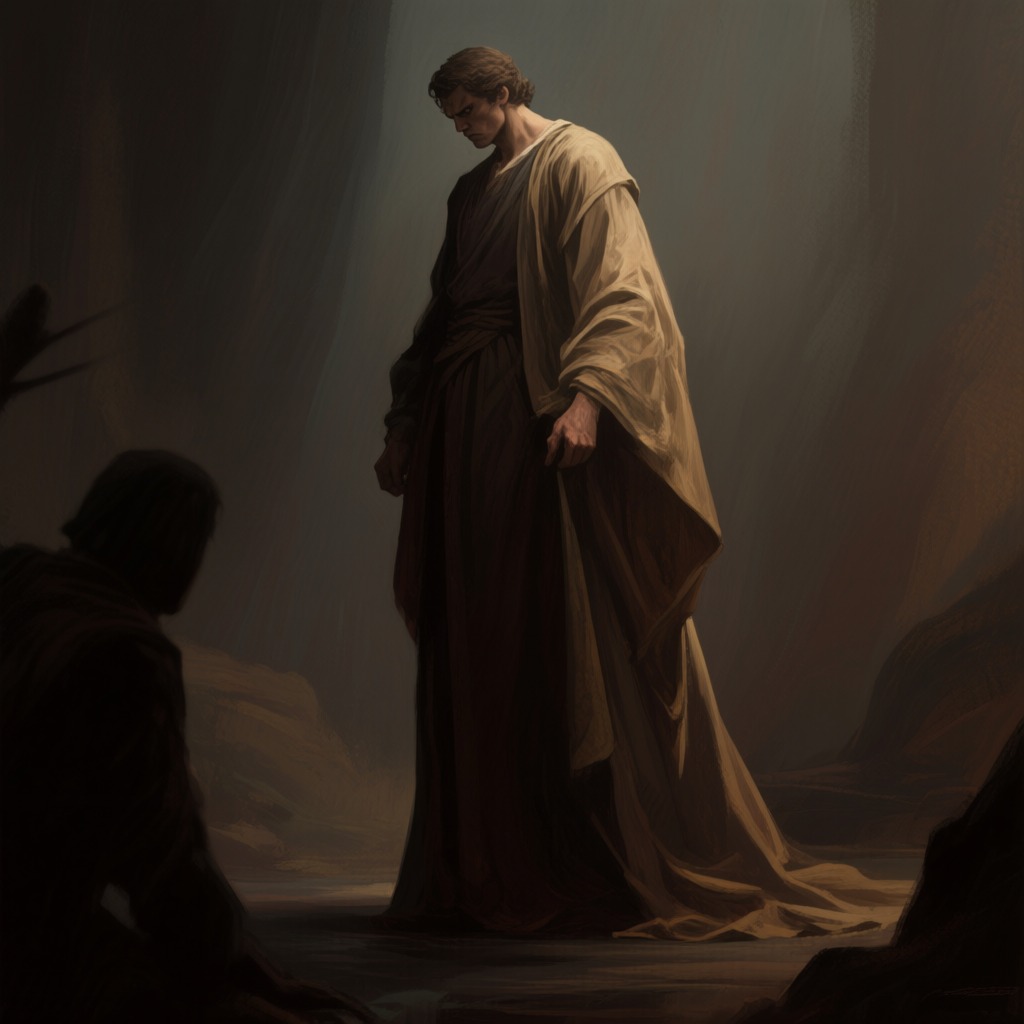
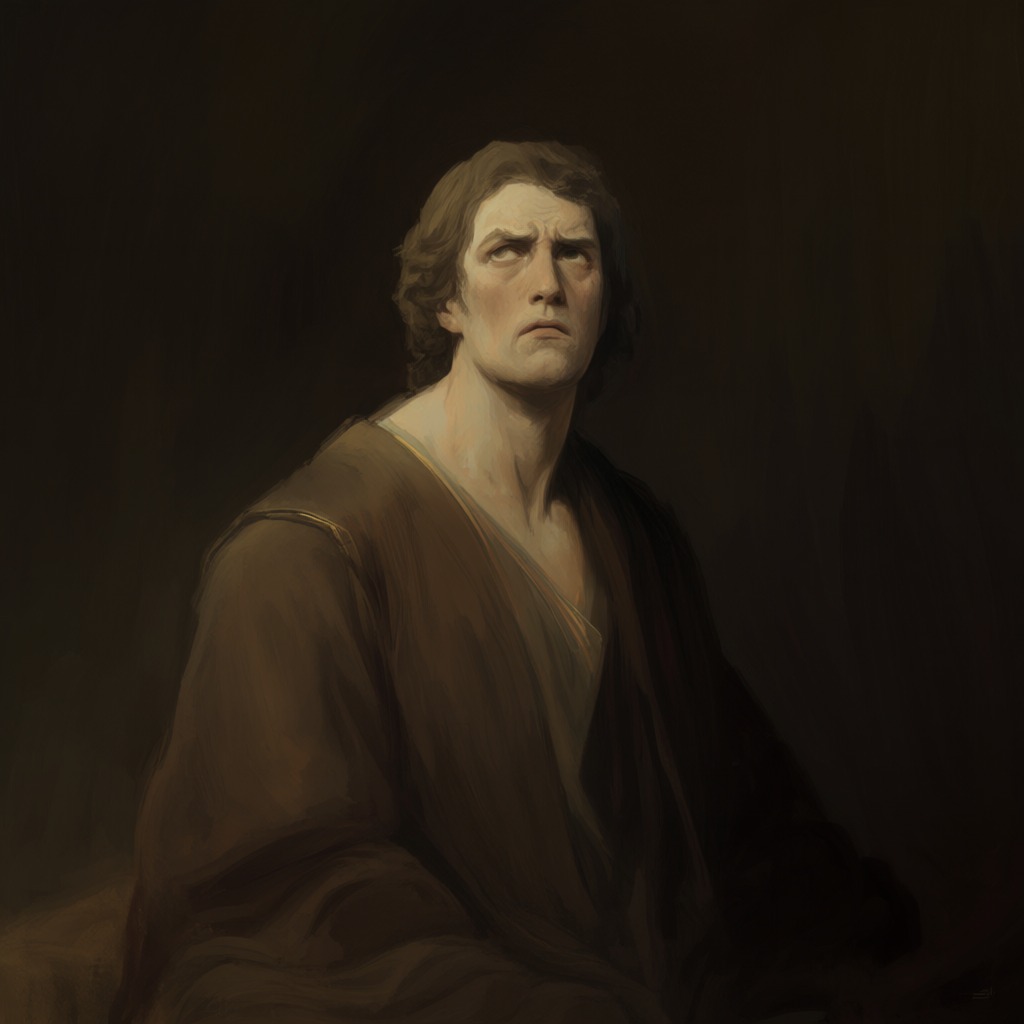
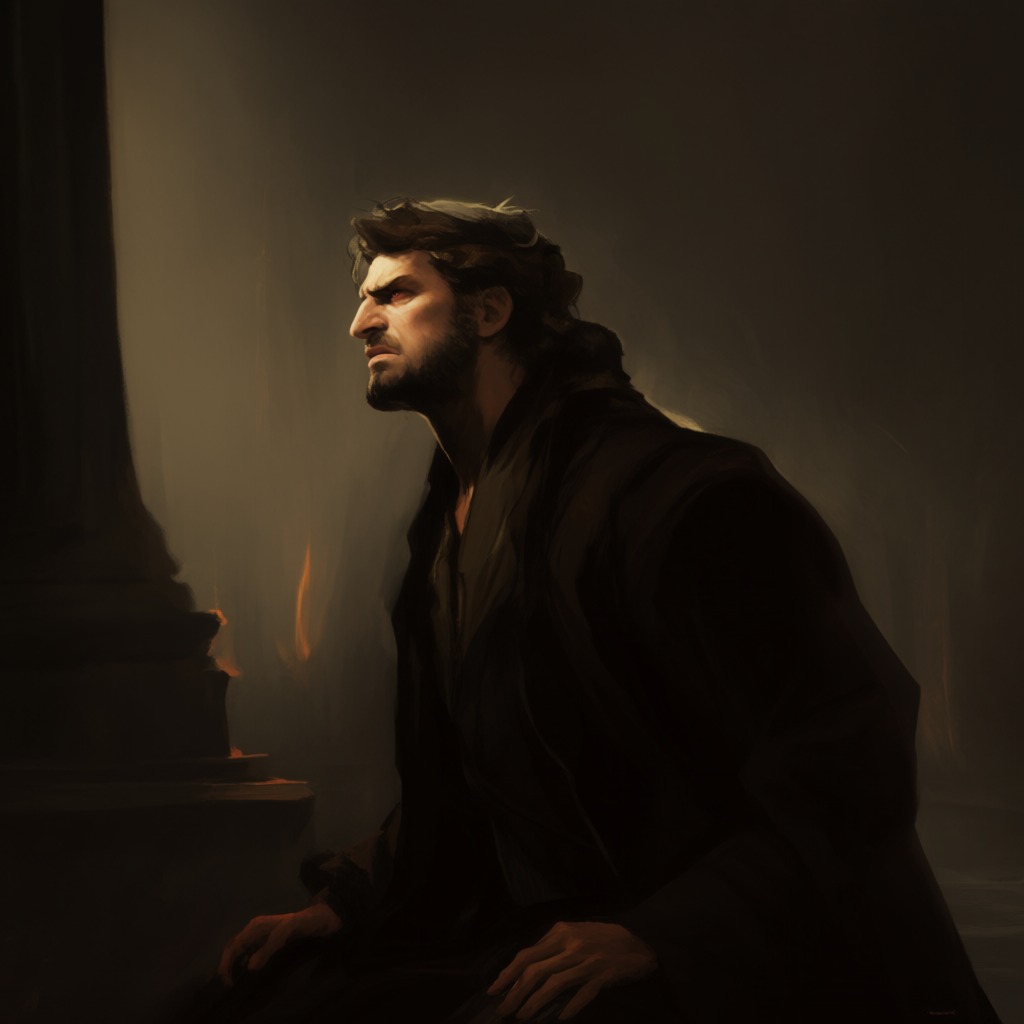
Rasheed is introduced as a Pashtun shoemaker from Kandahar who lives in the Deh-Mazang district of Kabul. He is first described as a tall, thick-bellied, broad-shouldered man with a hooked nose, flushed cheeks, crowded teeth, and an impossibly low hairline. His voice is harsh and raspy, like dry autumn leaves crushed underfoot. He is a widower whose first wife died in childbirth and whose young son, Yunus, drowned in a lake. He owns his own two-story house and a successful shoe shop, making custom footwear for diplomats and members of the presidential family. When he marries fifteen-year-old Mariam in 1974, he is somewhere between forty and forty-five years old.
Marriage to Mariam and Early Cruelty
From the beginning, Rasheed establishes a regime of control. He presents Mariam with a sky-blue burqa on her first full day in Kabul, explaining that a woman's face is her husband's business only and that he is a different breed of man from the soft, modern husbands who let their wives walk uncovered. He tells her that where he comes from, one wrong look or improper word means blood is spilled. Mariam feels his will as imposing and immovable as the Safid-koh mountains. He forces her to wear the burqa even on their first outing, though she finds it suffocating. He is impatient with her tears, saying he cannot stand the sound of a woman crying. After her first miscarriage, his behavior worsens: he becomes remote, resentful, and faultfinding, complaining about her cooking and the cleanliness of the house. He forces her to chew pebbles as punishment for under-salted rice, breaking two of her molars. Over the years, he beats her regularly, and she lives in fear of his shifting moods and volatile temperament.
Marriage to Laila and Escalating Violence
After Laila's parents are killed by a rocket in 1992, Rasheed digs her out of the rubble and nurses her back to health. He then orchestrates a false report of Tariq's death through a paid actor, Abdul Sharif, to crush Laila's hope. When Mariam objects to his plan to marry the fourteen-year-old Laila, he dismisses her, saying it is not her decision. He tells Mariam that Laila cannot stay without becoming his wife, and that if she leaves, she will face rape, death, or the horrors of refugee camps. Laila, pregnant with Tariq's child, agrees to marry him. Rasheed treats Laila with initial indulgence, calling her his flower and his queen, but his affection curdles after she gives birth to a daughter, Aziza, instead of the son he craved. He complains about the baby's crying, the smells, and the toys, and he refuses to call Aziza by her name, referring to her only as "the baby" or "that thing." He becomes increasingly violent, beating Laila with a belt, strangling her, and locking her and Mariam in a room without food or water for days after their failed escape attempt. He threatens to give Aziza away or to report Laila to the Taliban for adultery.
Relationship with Zalmai and Final Confrontation
When Laila gives birth to a son, Zalmai, Rasheed's favoritism is stark. He buys the boy new clothes, a crib with painted lions, and a battery-operated mobile, even though they cannot afford it and Aziza's old things are still serviceable. He takes Zalmai to his shop every day, lets him play under the workbench, and shows him a patience he never shows the girls. Zalmai worships his father, and Rasheed encourages the boy's defiance toward Laila. When Tariq returns to Kabul in 2001, Zalmai reports to Rasheed that Laila has been talking to a strange man. Rasheed beats Laila savagely with his belt, then begins strangling her. Mariam, watching him choke the life out of Laila, realizes he means to kill her. She grabs a shovel from the toolshed and strikes Rasheed across the temple. When he sneers at her, she raises the shovel again and brings it down with all her strength, killing him. In her final moments before execution, Mariam reflects that she has killed her husband and deprived Zalmai of his father, but she also knows that she has saved Laila's life.
Thematic Significance
Rasheed is the novel's primary embodiment of patriarchal tyranny. His possessive honor code, his physical brutality, and his emotional manipulation reduce both Mariam and Laila to property. He represents the domestic face of the same violence that the Soviet invasion, the Mujahideen infighting, and the Taliban regime inflict on Afghanistan. His murder by Mariam is the story's central act of liberation, the moment when a woman who has endured decades of abuse finally seizes control of her own life. Yet his death also carries a tragic cost: Mariam is executed for it, and Zalmai is left fatherless, a wound that will shape his childhood.