StoryFlow
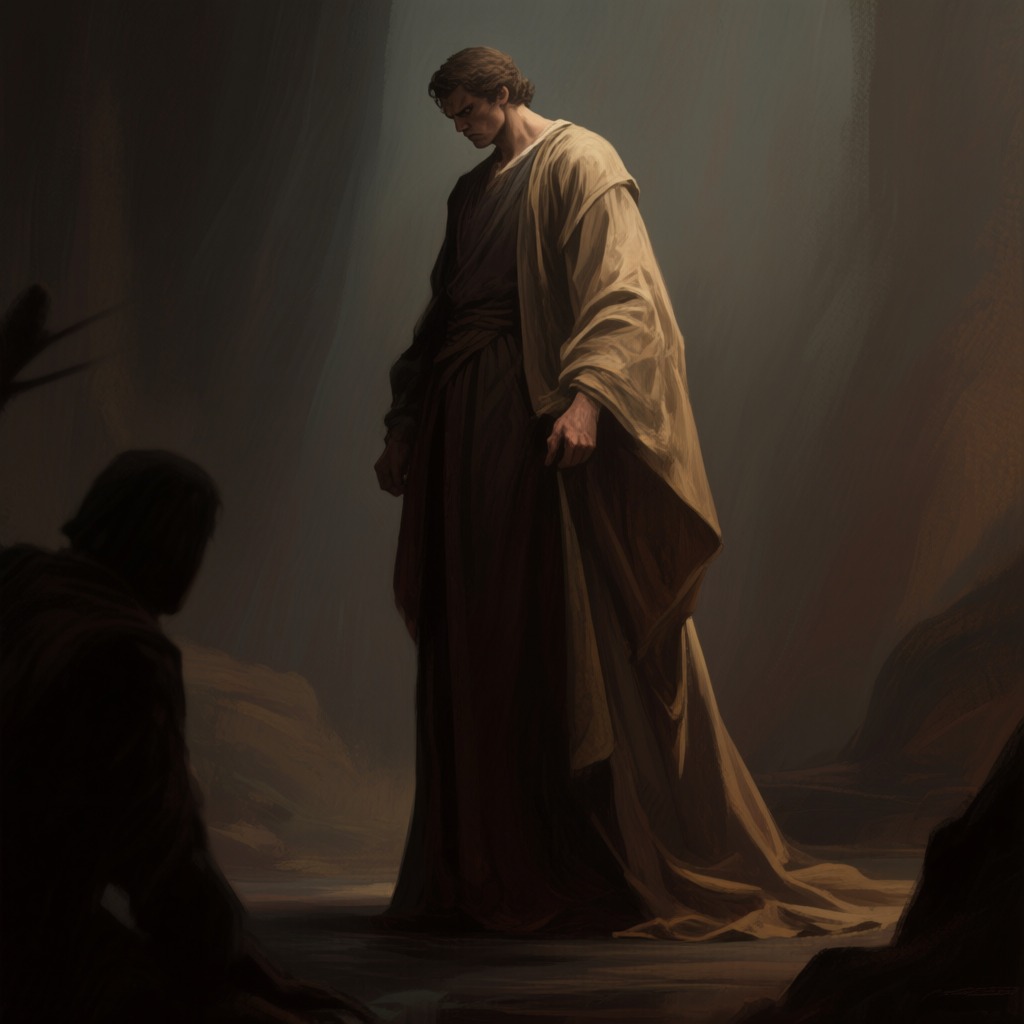
Mariam's Journey from Harami to Martyr
Traces Mariam's life from her illegitimate birth in a kolba, through her forced marriage to Rasheed, her decades of suffering, to her final act of killing Rasheed and her execution by the Taliban.

Laila's Journey from Orphan to Teacher
Follows Laila's life from a bright childhood in Kabul, through the loss of her parents and her forced marriage to Rasheed, to her eventual reunion with Tariq and her return to rebuild her life.

Afghanistan's Political Turmoil
Follows the shifting political landscape from the 1970s monarchy to the Soviet invasion, Mujahideen rule, civil war, Taliban takeover, and post-9/11 rebuilding.

The Destinies of Two Mothers
Parallels the fates of Mariam and Laila as mothers: Mariam's repeated miscarriages and her bond with Aziza, and Laila's motherhood under duress and her eventual family with Tariq.
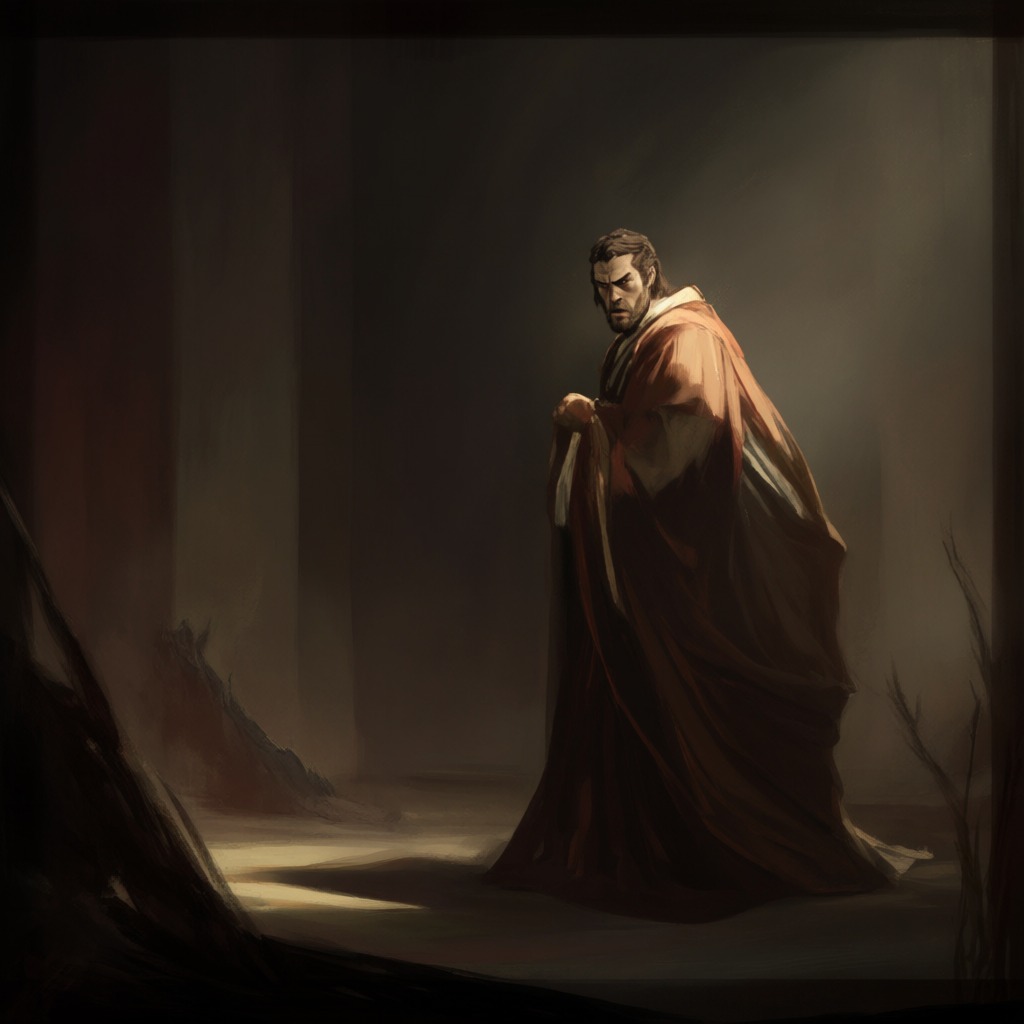
The Bond Between Mariam and Laila
Traces the evolution of Mariam and Laila's relationship from rivalry and resentment to deep friendship and sisterly love.

Endurance and the Power of Women
Explores the central theme of endurance (tahamul) as a survival strategy for Afghan women, and how Mariam and Laila transform endurance into agency.

The Orphanage as a Sanctuary
Follows the role of the orphanage in Kabul, from Aziza's stay to Laila's transformation of it into a school.

The Weight of Motherhood: Fariba and Laila
Explores the fraught mother-daughter relationship between Fariba and Laila, shaped by grief and loss.

The Bonds of Blood and Choice: Mariam and Aziza
Traces the unique relationship between Mariam and Aziza, from the first night they meet to Mariam's death and Aziza's memory of her.

The Cruelty of Patriarchy: Rasheed and His World
Examines the systemic patriarchy embodied by Rasheed and reinforced by Afghan society, and how it affects the women in his household.

The Resilience of Friendship: Hasina and Giti
Follows Laila's childhood friends Hasina and Giti, their fates, and how their lives contrast with Laila's.

Jalil's Regret and Redemption
Follows Jalil's story from the wealthy, ashamed father to the dying man who seeks forgiveness from Mariam.

The Cost of War on Children
Examines the impact of war on children in the novel, focusing on Tariq, Aziza, and the orphans at the orphanage.

The Role of Faith and Prayer
Traces how the characters use Islam and prayer as a source of comfort, guidance, and resilience.
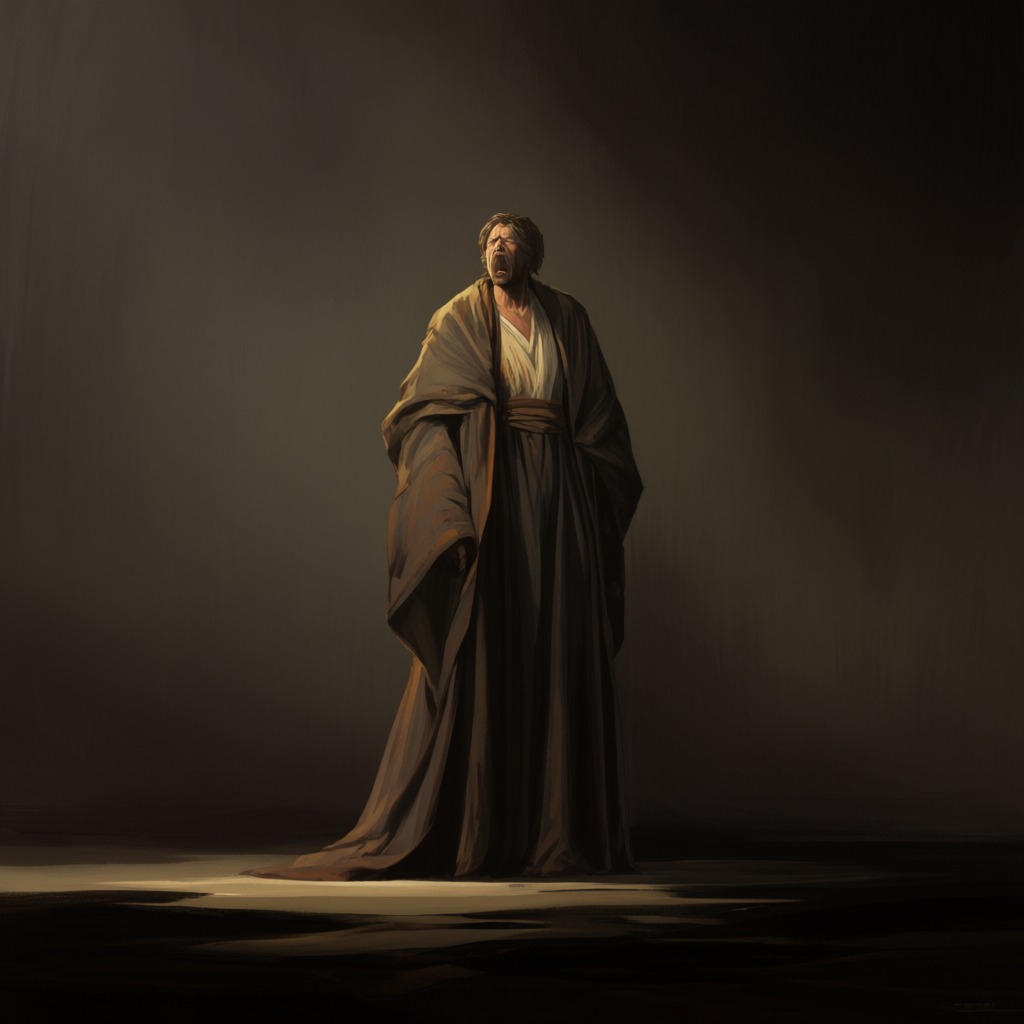
The Symbolism of the Pebbles
Follows the motif of pebbles from Mariam's childhood game to the forced pebbles in her mouth, representing her longing for family and her suffering.
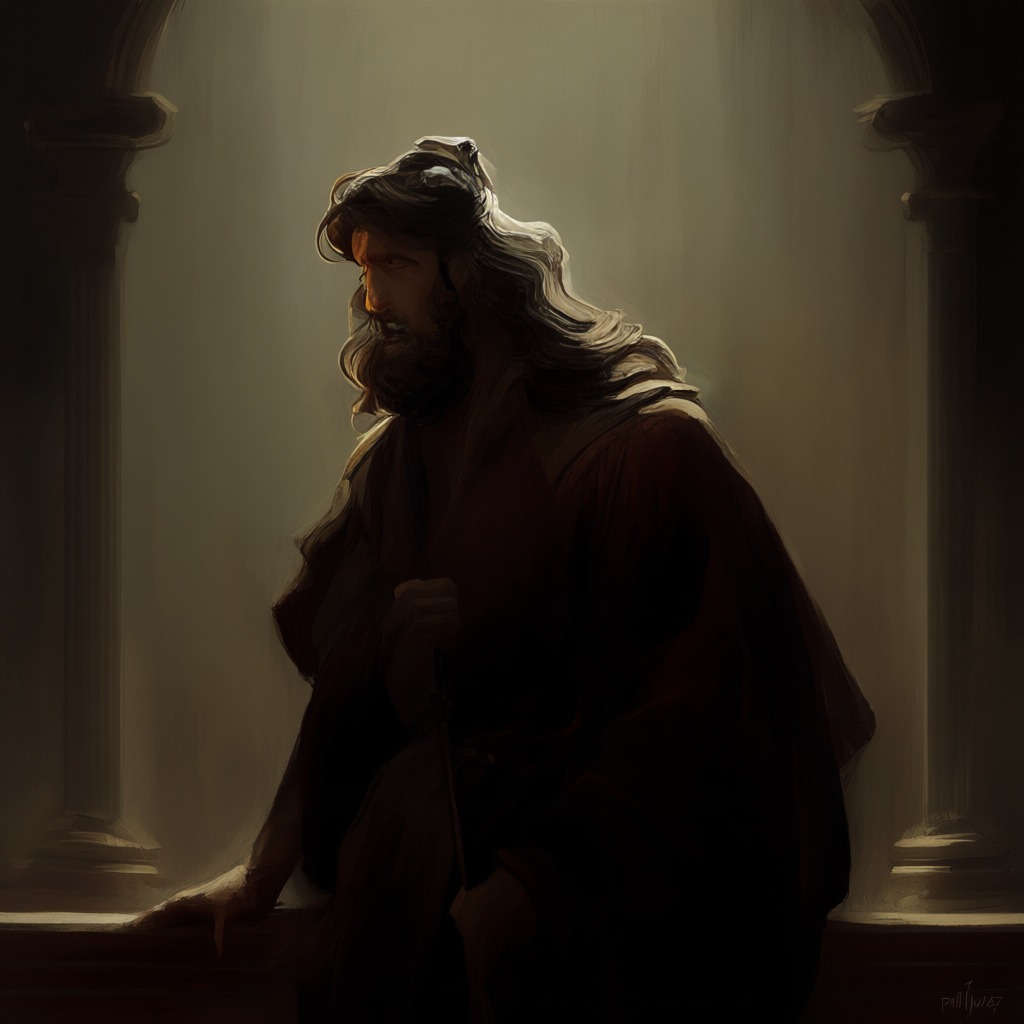
The Unseen Wounds: Tariq's Headaches
Follows Tariq's chronic headaches as a physical manifestation of his trauma from war, prison, and loss.

The Power of Names: Aziza, Zalmai, and the Unborn
Explores the significance of names in the novel: Aziza (Cherished One), Zalmai (Young Warrior), and the unborn baby named after Mariam.

The Struggle for Education
Traces the theme of education, from Laila's father's dreams to the Taliban's ban on girls' schooling and Laila's eventual teaching.
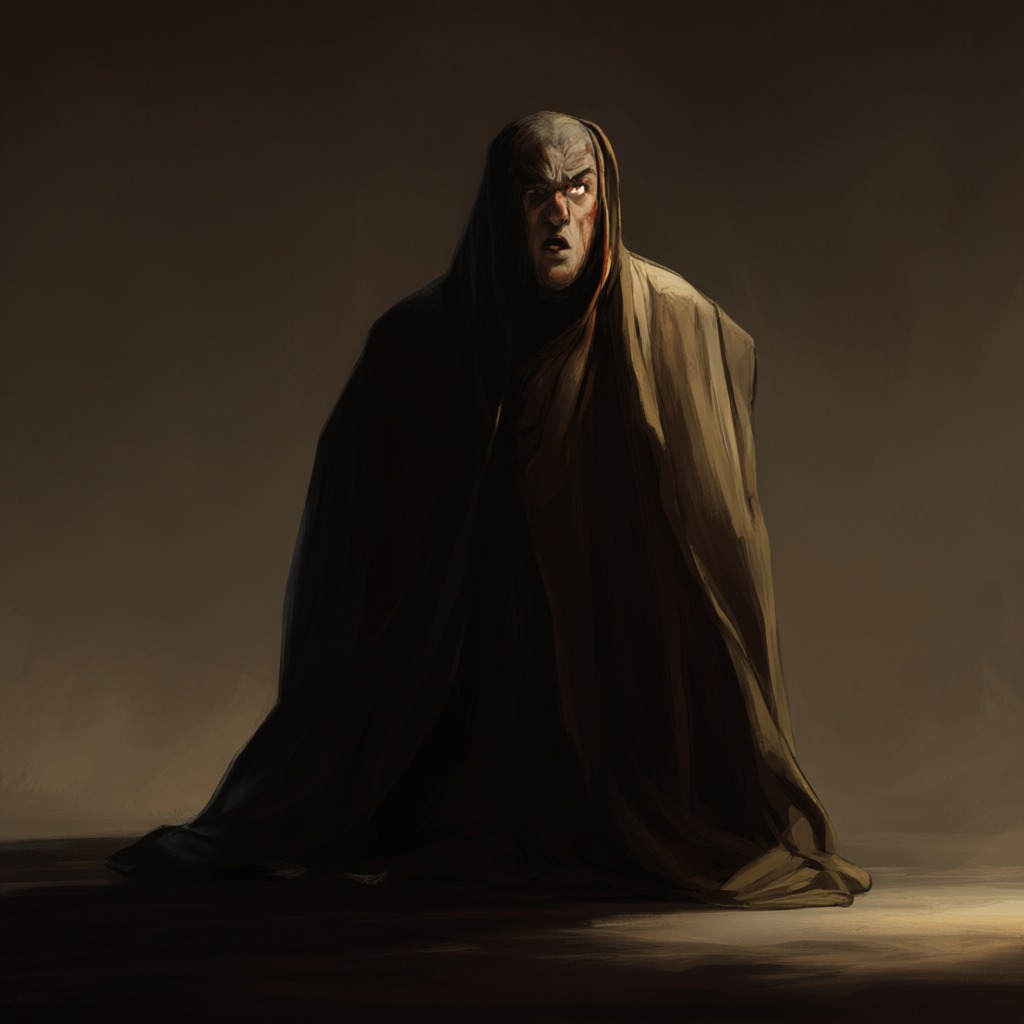
The Symbol of the Burqa
Follows the burqa as a symbol of oppression, control, and also anonymity and protection.

The River as a Witness
Follows the Kabul River as a symbol of change, from a source of life to a dry riverbed carnival to a renewed flow.

The Circle of Violence: Rasheed's Son Yunus
Explores the backstory of Rasheed's son Yunus, his death, and how it shapes Rasheed's character and his relationship with Zalmai.

The Impact of the Soviet War
Examines the long shadow of the Soviet occupation on the characters, especially Fariba and her sons.
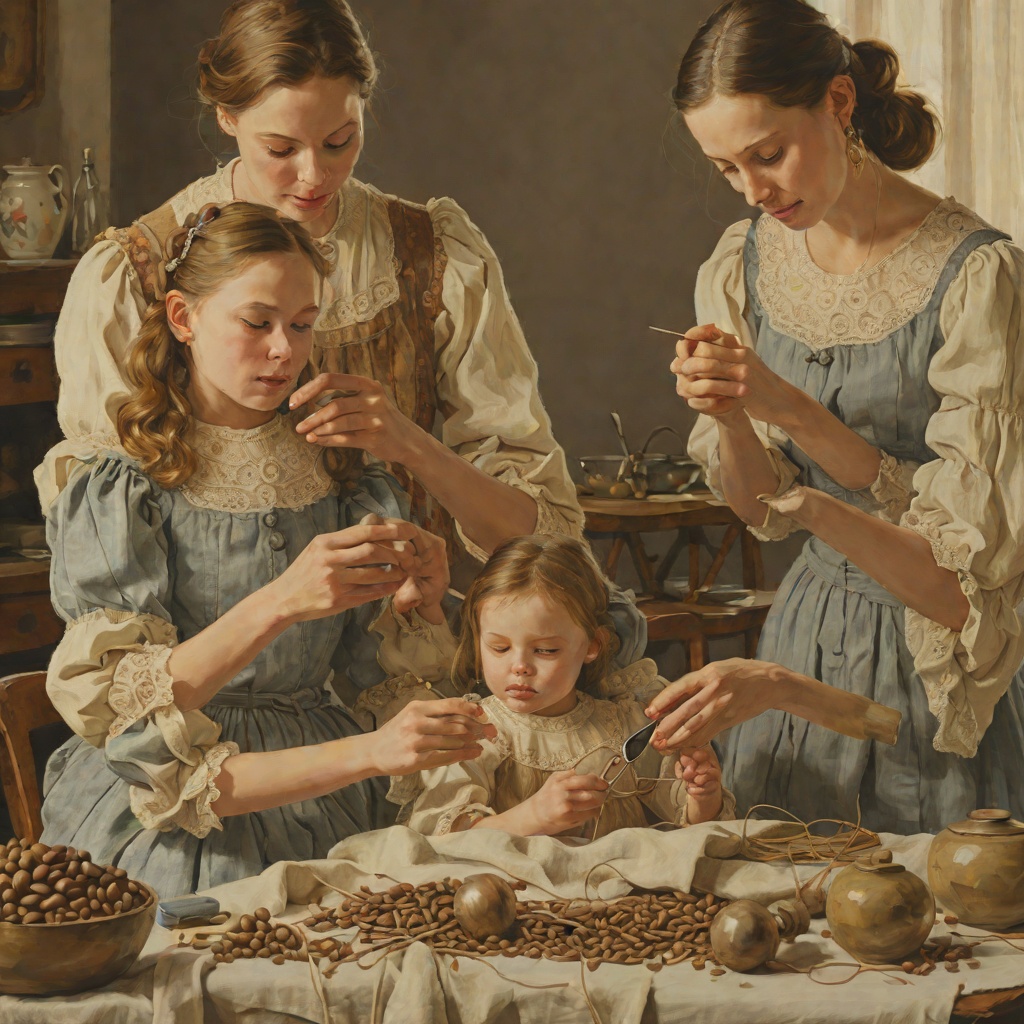
The Symbolism of the Doll
Traces the bean-stuffed doll that Mariam makes for Aziza, a symbol of love and resilience.
The Power of Stories and Poetry
Explores the role of storytelling, poetry, and literature in the characters' lives, from Jalil's tales to Babi's poems.

The Courtship of Laila and Tariq
Traces the romantic relationship between Laila and Tariq from childhood friends to lovers, separated by war, and finally reunited.

The Fate of the Next Generation: Aziza and Zalmai
Follows the parallel development of Aziza and Zalmai as they cope with their parents' pasts and forge their own futures.

The Neighbors: Community and Gossip
Examines the role of the neighborhood women and men in Deh-Mazang in the lives of Mariam and Laila.

The Symbolism of the Chinese Tea Set
Traces the heirloom that Nana received from her mother, a symbol of family and loss.

The Aftermath of Mariam's Execution
Follows how Laila, Tariq, and the children cope with the loss of Mariam and how her memory shapes their lives.