Crib (unfinished)
The unfinished crib is a wooden structure that Rasheed begins building in the toolshed of his Kabul home after Mariam becomes pregnant in the fall of 1974. It represents his fervent, almost desperate hope for a son, a hope that ultimately shatters when Mariam miscarries at the bathhouse.
Construction and Symbolism
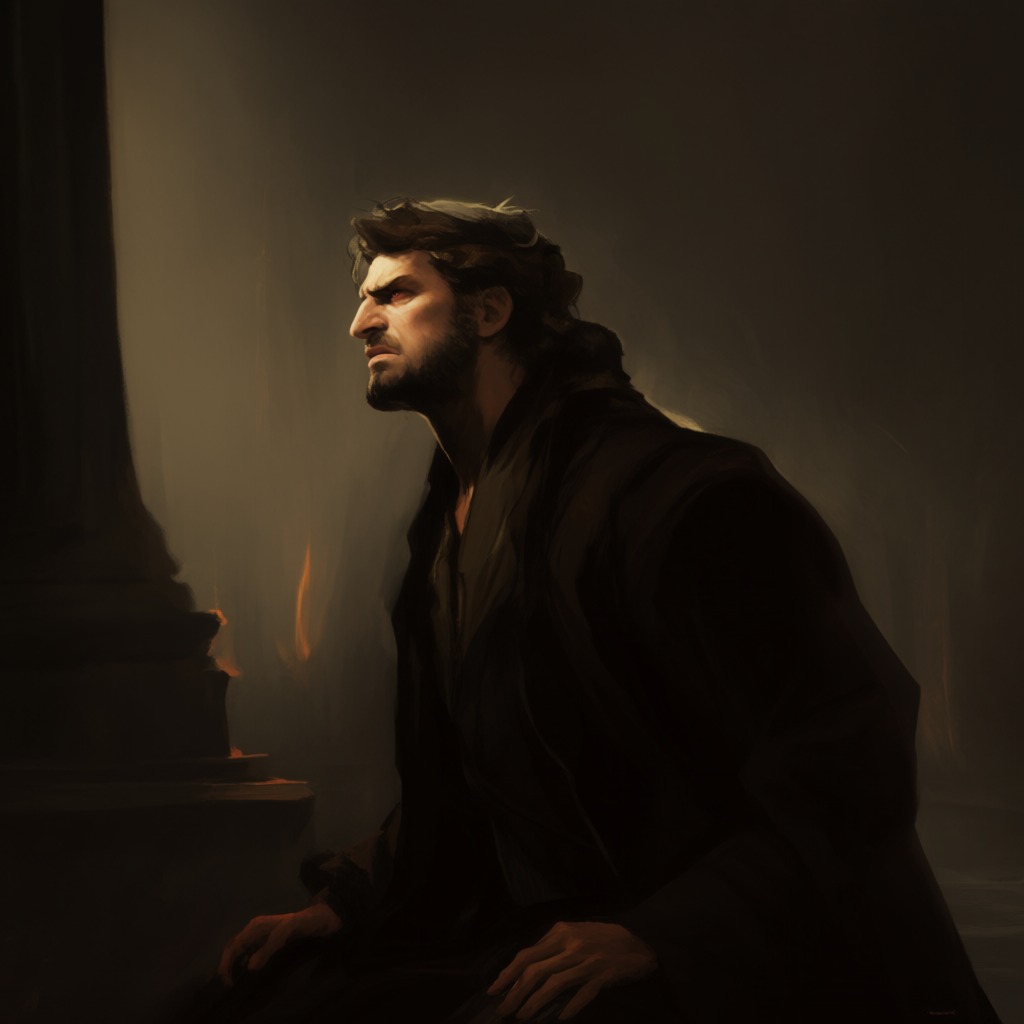
Rasheed starts building the crib in secret, intending it as a surprise for Mariam. She discovers him in the toolshed, pounding nails into a plank of wood. When she sees him, he removes a nail from the corner of his mouth and says, "It was going to be a surprise. He'll need a crib. You weren't supposed to see until it was done." His expectation that the baby will be a boy weighs heavily on Mariam, who wishes he would not hitch his hopes so firmly to a male child. Rasheed's actions reveal his deep-seated desire for a son to replace the one he lost years earlier, when his first son, Yunus, drowned in a lake. The crib becomes a physical manifestation of his longing for a male heir and his belief that Mariam will finally give him one.
Aftermath of the Miscarriage
After Mariam's miscarriage at the bathhouse, the unfinished crib remains in the toolshed, a constant, painful reminder of the loss. Mariam's grief is triggered by the mere thought of the crib, which she cannot bear to see. The object, now abandoned and incomplete, mirrors the shattered hopes of both parents. Rasheed's reaction to the loss is one of cold withdrawal and resentment, and he refuses Mariam's request for a proper burial for the baby, saying, "I've already buried one son. I won't bury another." The crib, left unfinished, stands as a testament to his inability to mourn this loss and his growing distance from Mariam.
Narrative Significance
The unfinished crib functions as a powerful symbol of unfulfilled potential and the fragility of hope in a world marked by loss. It is one of several objects in the novel—like the suede coat Rasheed buys for the baby—that become relics of a future that never materializes. The crib's incomplete state reflects the brokenness of Mariam and Rasheed's marriage, which deteriorates further after the miscarriage. It also foreshadows the many cycles of hope and disappointment that Mariam endures in her attempts to bear a child, each failure driving Rasheed further into cruelty and resentment. The crib, never finished, never used, remains a silent witness to the tragedy of a family that could not be.