Jalil's house
Jalil's house in Herat is the central symbol of the privileged, legitimate world from which Mariam is excluded. It is the physical embodiment of her father's wealth, his other family, and the shame attached to her own birth as a harami. The house is not merely a setting but an active force in the narrative, representing the promise of belonging and the crushing reality of rejection. Mariam's relationship with this house—from her childhood fantasies to her brief, painful stay within its walls—charts the arc of her disillusionment and the beginning of her life as a cast-off.
Identity and Description
Jalil's house is a large, imposing structure located in the wealthy Shar-e-Nau district of Herat. It is surrounded by tall, foreboding walls that Mariam must crane her neck to see over, with cypress trees protruding above them. The house itself is entered through a front gate, behind which lies a meticulously maintained garden. This garden contains a gleaming glass greenhouse, grape vines clinging to wooden trellises, a fishpond built with gray stone blocks, fruit trees, and bushes of brightly colored flowers. Inside, the house features a maroon carpet with a repeating blue-and-yellow octagonal pattern, marble bases of statues, richly colored tapestries, and a wide staircase covered in a similar carpet. The room Mariam is given is a guest room with a bed covered in a green-flowered blanket, a three-drawer chest, shelves with framed pictures of strangers, and a collection of Matryoshka dolls from Moscow. The house is a world away from the kolba, a mansion compared to the mud hut, and it is filled with the daily life of Jalil's legitimate family: servants rushing in and out, a gardener trimming bushes, and cars with sleek hoods pulling up to the street.
Mariam's Longing and Rejection
For the first fifteen years of her life, Mariam lives in a kolba on the outskirts of Gul Daman, but her heart is fixed on Jalil's house in Herat. She wonders what it would be like to live with him, to see him every day, to hand him a towel as he shaves, to brew tea for him, and to sew on his missing buttons. She dreams of riding in his car, with people pointing and saying, "There goes Jalil Khan with his daughter." This longing culminates in her fifteenth year, when she defies her mother Nana's warnings and walks to Herat to demand that Jalil take her to his cinema. When she arrives at the house, she is met first by a barefoot young woman with a tattoo, then by the chauffeur, who tells her Jalil is away on urgent business, even though his car is parked outside. Mariam refuses to leave and spends the night on the street outside the gates, eating only a toffee. In the morning, the chauffeur tries to send her home, but she bursts through the open gates and catches a fleeting glimpse of Jalil's face in an upstairs window before the curtains are pulled shut. This moment of recognition and rejection is the pivotal trauma of her young life; she is forcibly carried back to the car, and upon her return to the kolba, she discovers that Nana has hanged herself.
A Brief and Painful Stay
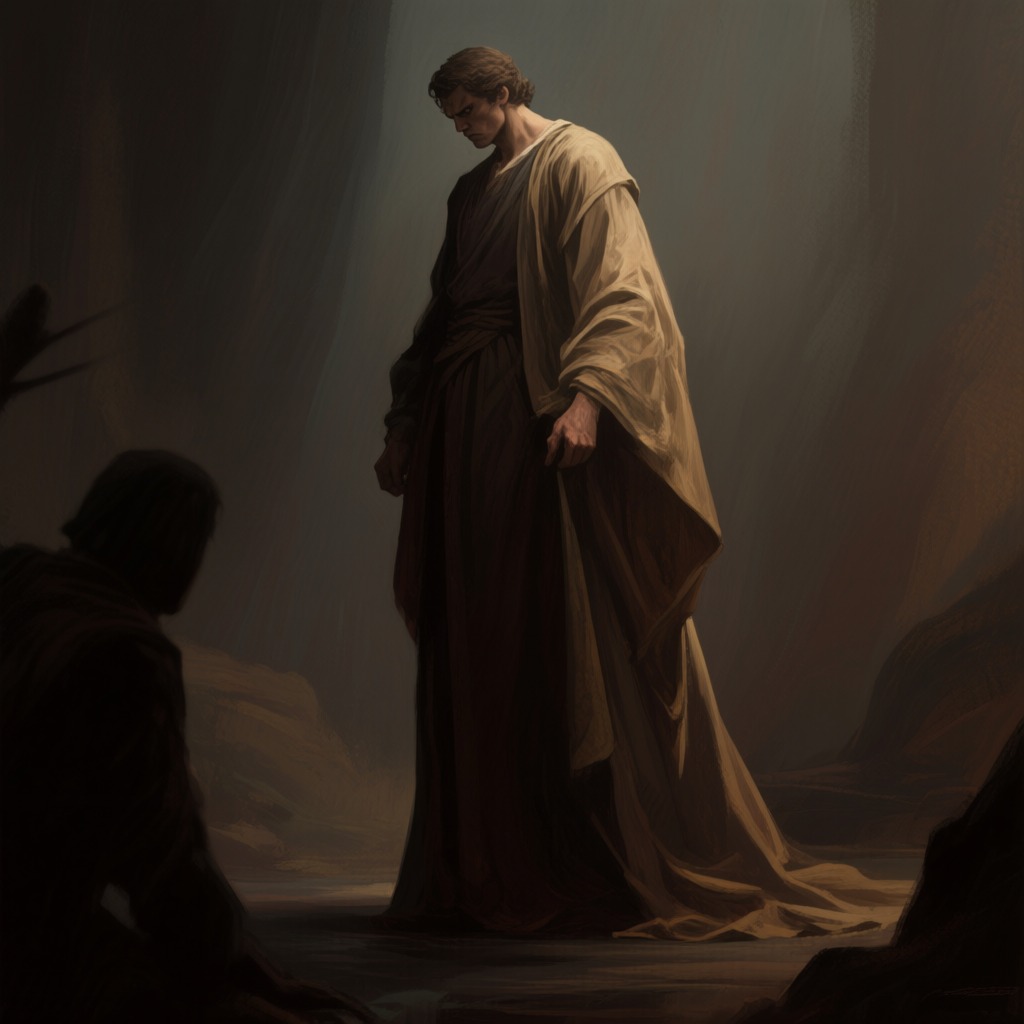
After Nana's suicide, Jalil brings Mariam to live in his house. He has a room cleaned for her upstairs, with a view of the garden. During her stay, Mariam remains largely confined to this room, eating meals brought to her on a tray by the tattooed girl. She watches the comings and goings of Jalil's daily life from the window, observing the servants, the gardener, and the well-dressed visitors, and she realizes that Nana was right: she does not belong here. Her half-sister Niloufar visits her, playing a gramophone and doing headstands, but the encounter is awkward and underscores the gulf between them. Bibi jo comes to comfort her, and Mullah Faizullah visits, but the atmosphere in the house is tense. Mariam overhears angry voices downstairs one night, and a door slams. The stay is brief; within a week, Jalil and his three wives summon her to the long, dark brown table in the dining room to inform her that she has a suitor, a much older shoemaker from Kabul named Rasheed. Mariam pleads with Jalil not to make her marry, but he offers only a weak, pained groan, saying, "Goddamn it, Mariam, don't do this to me." The next morning, she is married to Rasheed in a hasty nikka ceremony in the same house, and by noon she is on a bus to Kabul, having severed all ties with her father.
Narrative Significance
Jalil's house functions as a powerful spatial metaphor for the legitimacy, love, and family that Mariam is denied. It is the physical manifestation of the world that considers her a harami, an illegitimate person. Her initial exclusion from the house, her brief and painful inhabitation of it, and her final expulsion from it into a forced marriage structure the first part of her life story. The house is also the site of the novel's most devastating act of betrayal: Jalil's refusal to acknowledge her at the window and his subsequent complicity in marrying her off to a stranger. The house, therefore, is not just a location but a character in its own right, representing the unattainable promise of paternal love and the harsh reality of patriarchal power. It is the place where Mariam's childhood dreams die and her adult life of suffering begins.