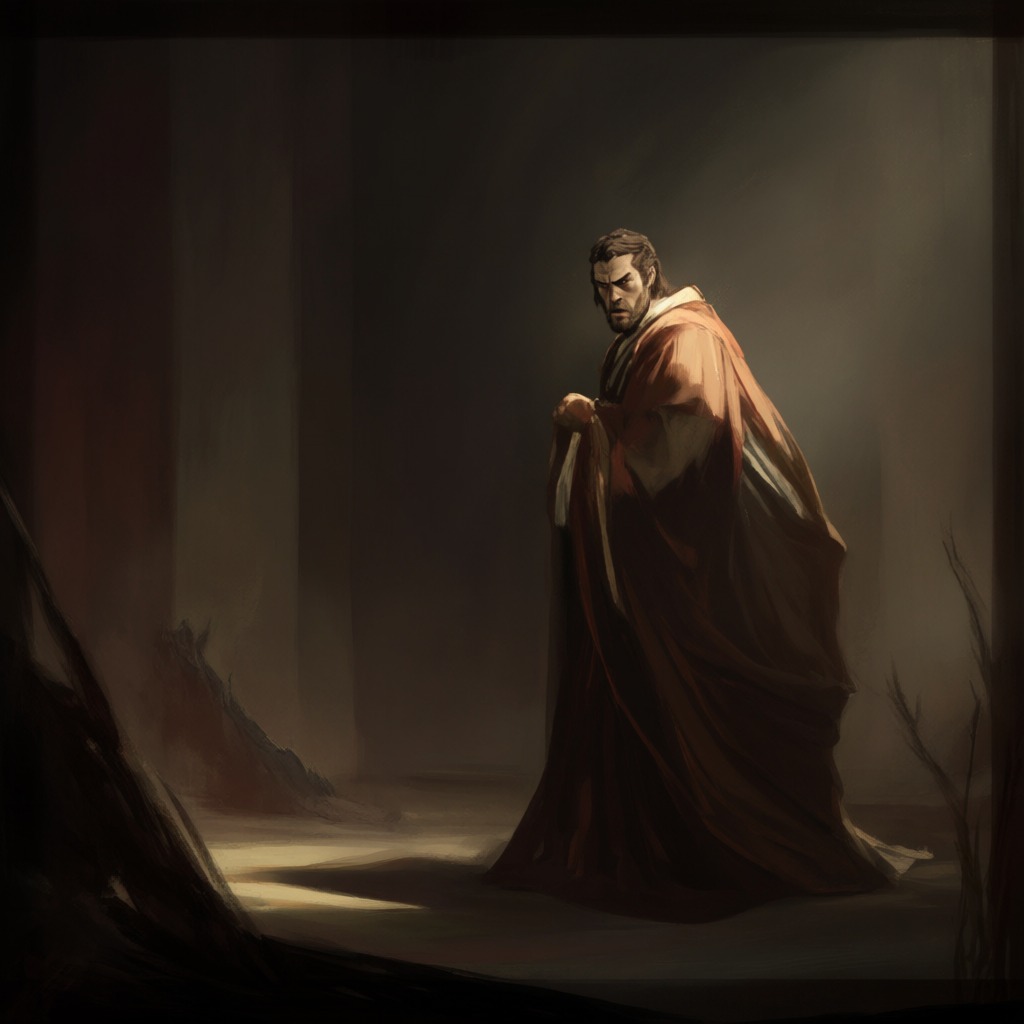
Mariam and Nana's mother-daughter relationship
Mariam was five years old the first time she heard the word harami, spat at her by Nana after she broke a cherished Chinese tea set. The word, meaning bastard, was not just a name but a verdict, and Nana's delivery of it—through gritted teeth, with a face flushed red—made it clear that Mariam was an unwanted thing, an illegitimate person who would never have legitimate claim to love, family, or home. This early lesson in shame was the cornerstone of their relationship, a dynamic in which Nana, a woman herself cast out by Jalil's family, projected her own bitterness and fear onto her daughter.
Identity and Isolation
Nana's world was one of enforced isolation. After Jalil's family disowned her when she became pregnant, she refused to live in Herat, choosing instead a remote clearing where Jalil built a small kolba. Here, she raised Mariam, teaching her to cook, sew, and endure. Nana's lessons were laced with cynicism; she told Mariam that a woman like them needed only one skill: tahamul, endurance. She warned that a man's accusing finger always finds a woman, a prophecy that would haunt Mariam. Nana's own life was a testament to this, marked by a broken engagement after a jinn possession was revealed, and a lifetime of servitude that ended in disgrace. She made no secret of her dislike for visitors, except for a select few like the village elder and Mullah Faizullah, but her primary focus was on Mariam, whom she saw as her sole possession and her only comfort.
The Central Conflict: Jalil
The central conflict in their relationship was Jalil, Mariam's father. Nana saw him as a betrayer who had cast them out, and she constantly warned Mariam against his charms, calling his stories "rich lies." Mariam, however, adored Jalil, who visited every Thursday with gifts and stories of the wider world. For those few hours, Mariam felt deserving of love and beauty, a feeling Nana could not tolerate. Nana's jealousy and fear of abandonment were palpable; she mocked Jalil's gifts, accused him of insincerity, and tried to poison Mariam's affection for him. When Mariam expressed a desire to go to school, Nana vehemently refused, arguing that education was useless for a girl like her and that she would only be mocked as a harami. This was a direct attempt to keep Mariam dependent and within her sphere of influence, a strategy born of Nana's own terror of being left alone.
The Final Betrayal and Suicide
The relationship reached its breaking point when Mariam, at fifteen, insisted on going to Jalil's cinema for her birthday. Nana's reaction was a cascade of accusations, mockery, and guilt. She called Mariam a treacherous harami, warned that a man's heart is a wretched thing that won't bleed for her, and finally pleaded, "I'll die if you go." Mariam, tired of being an instrument of Nana's grievances, left anyway. When she returned, humiliated after Jalil refused to see her, she found Nana hanging from a weeping willow tree. Nana's suicide was the ultimate act of possession and punishment, a final, devastating confirmation of her warning that Mariam would have nothing without her. The guilt of this moment would define Mariam for years, a burden she carried into her marriage to Rasheed and her subsequent miscarriages, which she saw as divine punishment for her betrayal.
Legacy and Transformation
Nana's legacy was a complex one of shame, endurance, and a desperate need for love. Mariam internalized her mother's lessons about her own worthlessness, but she also inherited Nana's capacity for fierce, protective love. In her later years, Mariam found a new, healthier expression of this love with Laila and Aziza, becoming a mother figure who was nurturing and self-sacrificing, in stark contrast to Nana's possessive and destructive love. When Mariam killed Rasheed to save Laila, she was finally acting on her own terms, breaking the cycle of endurance that Nana had taught her. In her final moments, Mariam thought of her mother, but she also found peace in knowing she had become a person of consequence, a mother who had loved and been loved back, a fate Nana never achieved.