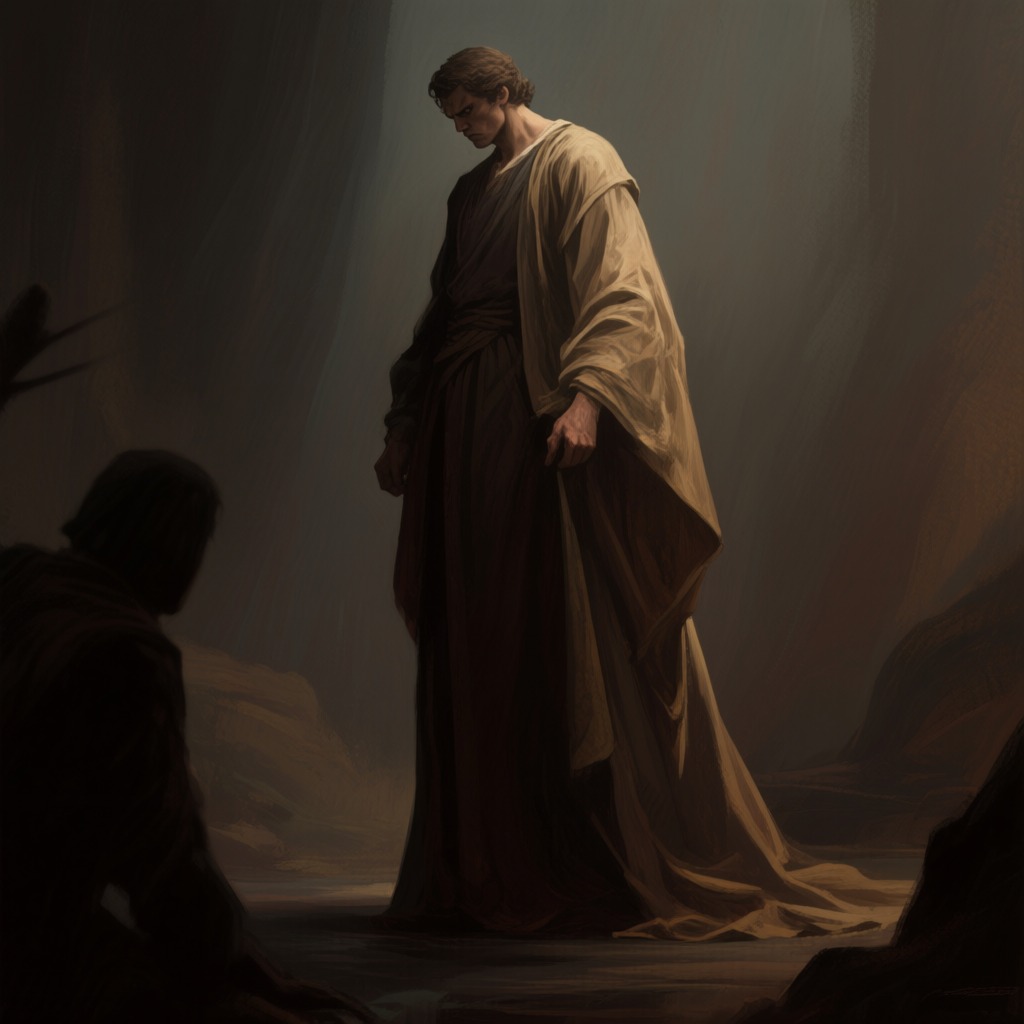
Mariam's miscarriage
Mariam's first pregnancy, confirmed in the winter of 1974, filled her with a joy and purpose she had never known. After years of barrenness and the quiet despair of her marriage to Rasheed, the prospect of a child seemed to redeem her suffering. Rasheed, too, was transformed by the news, his mood lightening as he spoke of names and built a crib in the toolshed, his hopes fixed on a son. For Mariam, the pregnancy was a divine sign, a fulfillment of the Koranic promise that "wherever you turn there is Allah's purpose." She felt, for the first time, that she was heading toward "one final, cherished province: Motherhood."
The Miscarriage at the Bathhouse
The miscarriage occurred suddenly and violently in the women's bathhouse, a place Rasheed had insisted she visit for its reputed pleasures. Amid the steam and the shapes of other women, Mariam began to bleed. The blood pooled at her feet as she shrank into a corner, hugging her knees, her teeth chattering with shock and cold. The neighbor Fariba, who rushed to her aid, later described the scene to her husband: Mariam's desperate, supplicating question—"It's normal, isn't it? Isn't it?"—revealed her frantic denial of what was happening. The loss was not just physical but a profound rupture of the future she had begun to build.
Aftermath and Rasheed's Transformation
In the days following the miscarriage, Rasheed's demeanor hardened. He covered Mariam with a quilt but with a "stiff, perfunctory air," and his earlier tenderness evaporated. When the doctor offered only "God's will" as an explanation, Rasheed simmered with resentment, repeating the phrase with bitter sarcasm. He spent entire days smoking in his room, and his silence became a weapon. Mariam, left to grieve alone, was haunted by Nana's old lesson: that women like them must endure. The miscarriage marked the end of the brief period of harmony in their marriage; Rasheed grew remote, critical, and increasingly violent, faulting her cooking and complaining about the house. The loss of the baby became a permanent grievance, a failure for which Mariam could never atone.
Cycles of Hope and Disappointment
The miscarriage was not an isolated tragedy but the first of seven such losses. Each subsequent pregnancy raised hopes that were then dashed, each trip to the doctor more crushing than the last. With each disappointment, Rasheed's resentment deepened, and Mariam's sense of worth eroded. She began to dread the sound of his key in the door, knowing that some minor fault would be used to justify his anger. The miscarriages became the central fact of their marriage, a wound that never healed and that Rasheed exploited to justify his cruelty. Mariam's body, which had failed to produce a son, became a target for his scorn, and she learned to live in a state of perpetual fear, her only skill the endurance Nana had taught her.
Thematic Significance: The Weight of Failure
Mariam's miscarriage is a pivotal event that crystallizes the novel's themes of female suffering, the tyranny of patriarchal expectations, and the crushing weight of failure. For Mariam, the loss is not merely a personal tragedy but a confirmation of her status as a harami—an illegitimate person unworthy of love or happiness. The miscarriage transforms her from a hopeful young wife into a woman who accepts abuse as her due, and it sets the stage for the arrival of Laila, whose own fertility will become a source of both conflict and, ultimately, redemption. The event also foreshadows the novel's central irony: that Mariam, who could not bear a child, will find her deepest purpose in protecting another woman's children.