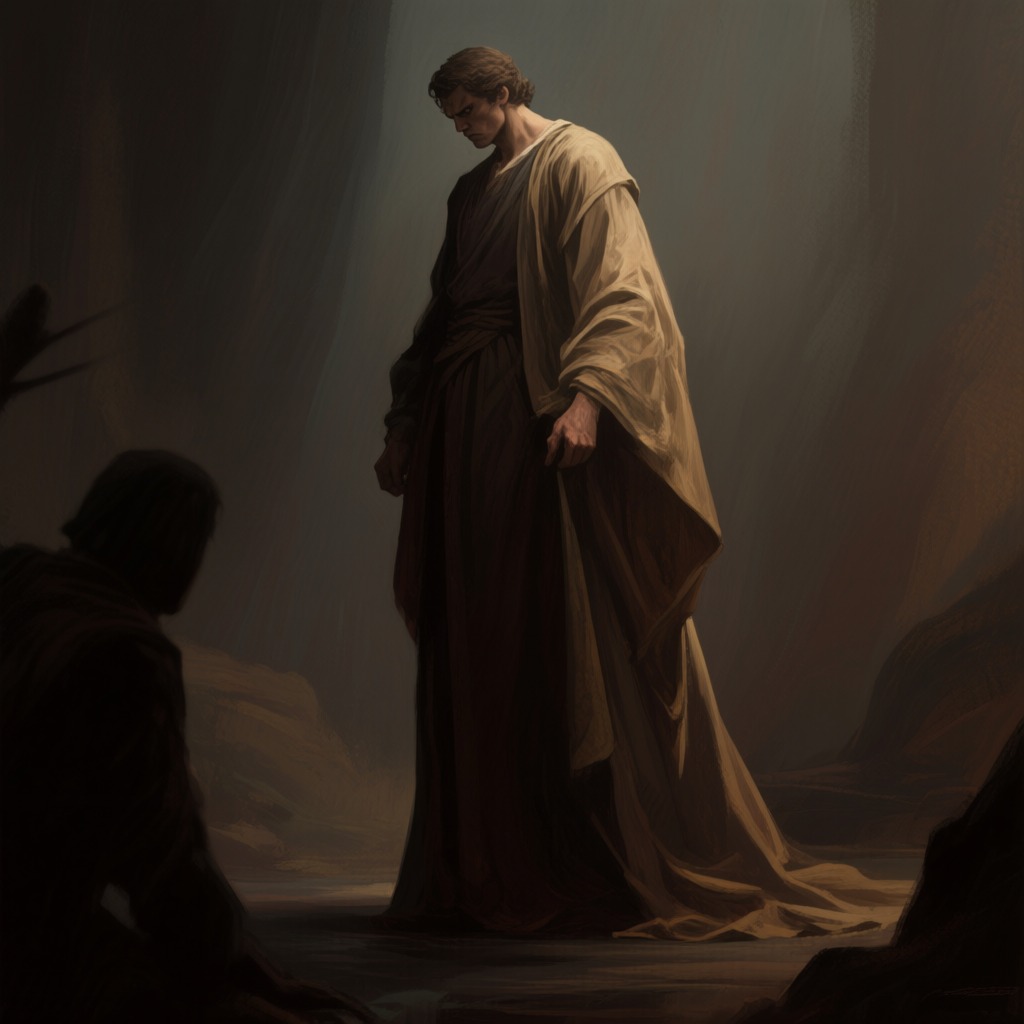
Rasheed's house
Rasheed's house is located in the Deh-Mazang district of south and west Kabul, near the zoo and the university. It is a two-story structure that had once been painted blue, situated on a narrow, unpaved road where houses are crowded together and share common walls. The front gate opens into a small, unkempt yard where yellow grass struggles up in thin patches, and the yard contains a well with a hand pump, a row of dying saplings, a toolshed, and a bicycle leaning against the wall. An outhouse stands in a side yard. The house itself is much smaller than Jalil's grand home in Herat, but compared to the kolba where Mariam spent her first fifteen years, it is a mansion.
Interior and Domestic Life
The interior of Rasheed's house is sparsely furnished. The living room contains a pistachio green leather couch with a clumsily sewn rip down its side, a table, two cane-seat chairs, two folding chairs, and a black cast-iron stove in the corner. The walls are bare. The kitchen is equipped with pots, pans, a pressure cooker, and a kerosene shiop. Upstairs, a narrow, dimly lit hallway leads to two bedrooms. The larger bedroom, Rasheed's, is furnished with a bed, a closet, a dresser, and a small mirror on the wall. The smaller guest room, which becomes Mariam's, has a bed, an old gray-brown dresser, a small closet, and a window that looks into the yard and the street beyond. When Laila arrives, she shares Rasheed's bedroom, and later, after the birth of Zalmai, the baby moves into their bed. The house's domestic rhythms—cooking, cleaning, laundry—are the primary labor of Mariam and later Laila, and the space is marked by Rasheed's presence: the smell of cigarette smoke, the clutter of his shoe-making tools, and the constant threat of his temper.
A Site of Confinement and Control
From the moment Mariam arrives, the house is a space of confinement. Rasheed immediately establishes rules: Mariam must wear a burqa when outside, she is not to leave the house without his company, and she is to be his eyes and ears when he is away. The house becomes a prison, especially after the failed escape attempt to Pakistan. Rasheed nails boards across the windows of Mariam's room, locks the door, and leaves Mariam and Laila in total darkness without food or water for days. The house is also the primary site of Rasheed's physical and psychological violence. He beats Mariam regularly, forces pebbles into her mouth, and later beats Laila with a belt, punches her, and kicks her. The sounds of these beatings—the thump of something solid repeatedly striking flesh, the running and chasing, the furniture turning over—echo through the house, a constant soundtrack of terror. The toolshed in the yard becomes an extension of this prison; after the escape attempt, Rasheed locks Mariam in it, bloodied and beaten.
A Space of Female Alliance and Transformation
Despite its oppressive nature, the house also becomes the unlikely setting for the deep bond between Mariam and Laila. Their initial hostility, born of jealousy and resentment, gradually gives way to a tentative companionship. They begin to do chores together, share tea in the yard, and eventually confide in each other about their pasts. The house's kitchen and yard become spaces of shared labor and quiet solidarity. The most profound transformation occurs in the living room, where Mariam, witnessing Rasheed strangling Laila, picks up a shovel and kills him. This act of violence, committed in the very heart of the domestic space that had been the locus of her suffering, is the ultimate act of liberation. The house, once a symbol of Rasheed's control, becomes the site of his death and the women's escape.
Narrative Significance
Rasheed's house is more than a setting; it is a character in its own right, a physical embodiment of the patriarchal oppression that shapes the lives of Mariam and Laila. Its walls confine them, its rooms witness their suffering, and its yard becomes a place of both labor and fleeting moments of peace. The house's transformation from a prison to a site of liberation mirrors the women's own journeys from victims to agents of their own fate. The final image of the house, after the murder, is one of abandonment and decay, a fitting end for a space that held so much misery. The house is also a point of contrast with other spaces in the novel: the kolba, which represents Mariam's childhood isolation; Jalil's grand house, which represents her rejection; and the orphanage and the hotel in Murree, which represent hope and new beginnings.