Rasheed's rule: a woman's face is her husband's business
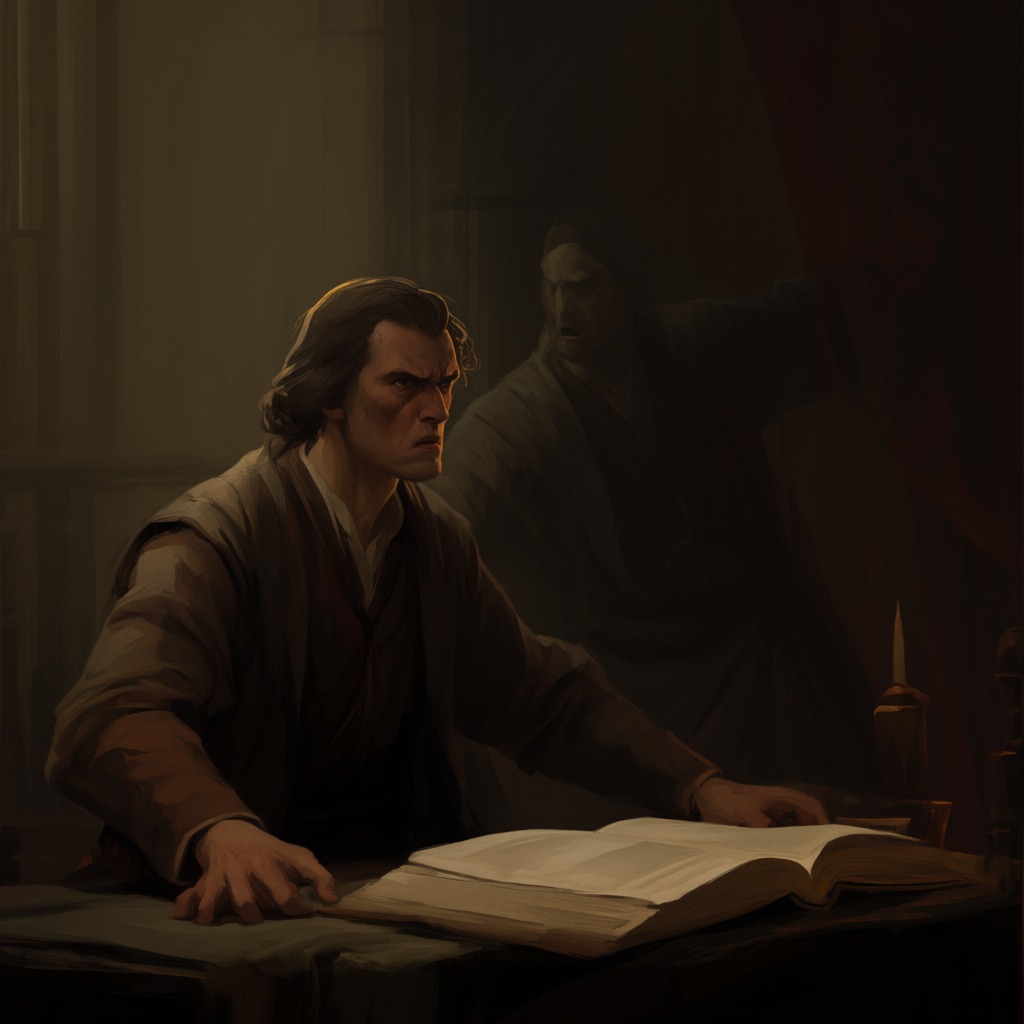
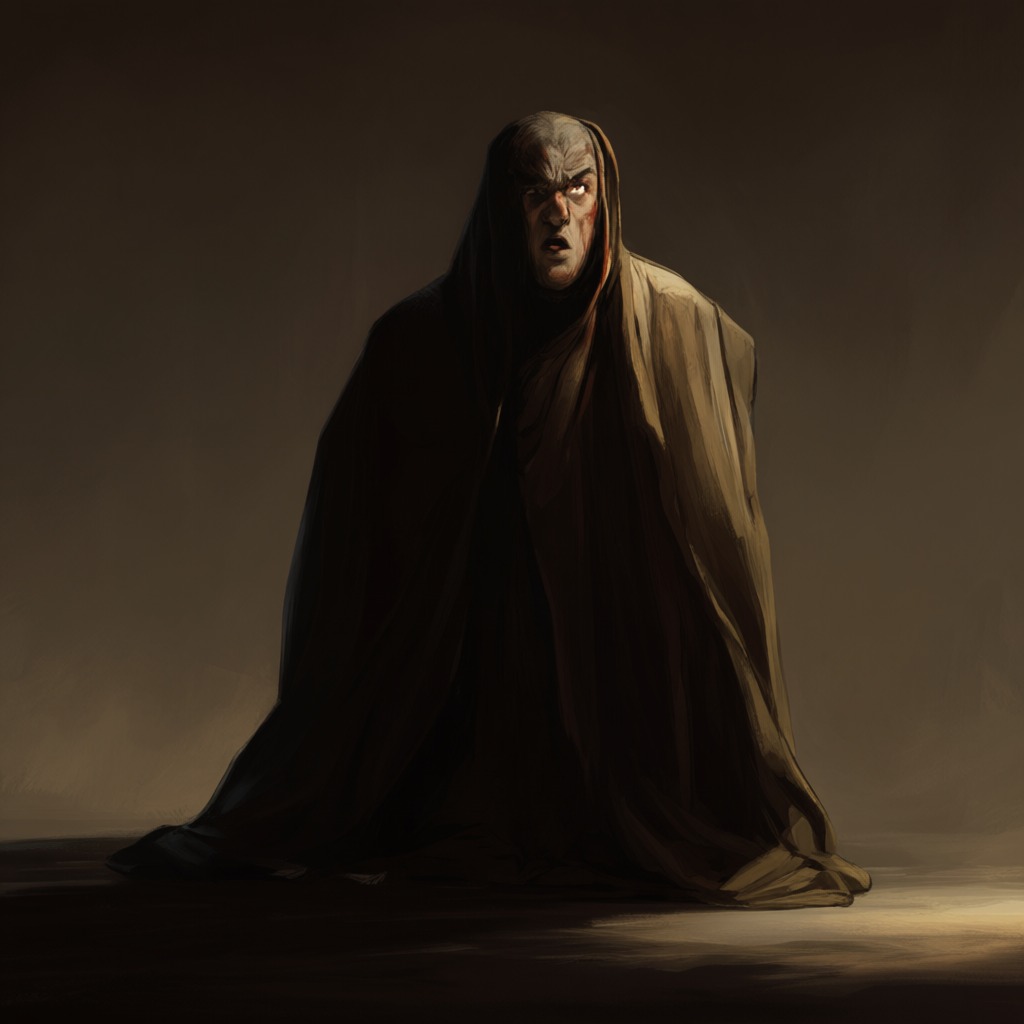
Rasheed's rule that a woman's face is her husband's business is the central tenet of his patriarchal authority, a doctrine he uses to enforce the complete seclusion and subjugation of his wives, Mariam and later Laila. This rule is not merely a personal preference but a rigid code that defines the boundaries of their existence, dictating their dress, their movement, and their very visibility in the world. It is a principle that Rasheed articulates explicitly and enforces with violence, and its violation—or perceived violation—is met with brutal punishment. The rule serves as a constant, suffocating presence in the lives of both women, shaping their daily reality and their understanding of their own worth and place in the world. It is a rule that, in its most extreme application, leads to the ultimate act of violence and, paradoxically, to the liberation of one of its subjects.
Origin and Articulation of the Rule
Rasheed first articulates this rule to Mariam shortly after their marriage, during their first outing in Kabul. He contrasts himself with the "modern men" he sees in the city, who allow their wives to go uncovered and speak directly to male strangers. He tells Mariam, "But I'm a different breed of man, Mariam. Where I come from, one wrong look, one improper word, and blood is spilled. Where I come from, a woman's face is her husband's business only" . This declaration is not a suggestion but a command, delivered with a hard glare and followed by the presentation of a sky-blue burqa, which he forces her to wear . The rule is thus established as a cornerstone of their marriage, a non-negotiable condition of her existence in his home. It is a rule that echoes the broader patriarchal logic that Nana had taught Mariam as a child: "Like a compass needle that points north, a man's accusing finger always finds a woman. Always" . Rasheed's rule is a specific, brutal application of this general principle, making the woman's body and its visibility the sole property and responsibility of her husband.
Enforcement and Consequences for Mariam
For Mariam, Rasheed's rule becomes the defining feature of her married life. It is the justification for her confinement, her isolation, and the physical abuse she endures. The rule is enforced not only through the mandatory burqa but also through the threat of violence. When Mariam and Laila attempt to escape to Pakistan, Rasheed's fury is not just about their flight but about the violation of his authority and his control over them. He beats Mariam savagely, locking her in the toolshed, and then boards up Laila's window, leaving her and Aziza to starve in the dark . This punishment is a direct consequence of their attempt to assert their own will, to act as independent beings whose faces and bodies are their own. The rule is thus a tool of total control, extending to every aspect of their lives. Mariam's entire existence is shaped by the need to navigate this rule, to endure its consequences, and to find moments of connection and meaning within its suffocating confines. Her final act of defiance—killing Rasheed—is a direct response to his enforcement of this rule, as he is strangling Laila, a woman whose face and life he claimed as his own .
Application to Laila and the Double Standard
Rasheed applies the same rule to Laila, his second wife, but with a revealing double standard. He tells her that she is a "Benz" compared to Mariam's "Volga," implying that she requires even more careful handling and protection . He instructs her to avoid leaving the house without his company and to wear a burqa when they are out together, for her own protection against "lewd men" . However, this rule is hypocritical, as Laila discovers when she finds pornographic magazines hidden in his dresser (E00698-E00700). The magazines are filled with images of women, their bodies exposed and objectified, a stark contradiction to his professed belief that a woman's face is her husband's business only. This hypocrisy reveals that the rule is not about honor or protection but about power and control. It is a tool to confine and subjugate his wives while he himself is free to consume images of other women's bodies. The rule is a performance of patriarchal authority, not a genuine moral code.
The Rule's Role in Mariam's Final Act
The rule that a woman's face is her husband's business ultimately leads to its own violent undoing. When Rasheed discovers that Tariq has returned and that Laila has been speaking with him, he sees it as a violation of his honor and his property. He beats Laila savagely and then begins to strangle her, intending to kill her . In this moment, Mariam, who has endured this rule for twenty-seven years, makes a choice. She picks up a shovel and kills Rasheed, an act that is both a defense of Laila and a final, decisive rejection of the rule that has governed her life. Mariam's act is not just a murder; it is a rebellion against the entire system of patriarchal control that Rasheed embodied. She understands that if she lets him live, he will kill them both, and she chooses to end the cycle of violence and subjugation. In her final moments, Mariam reflects on her life, recognizing that she is leaving the world as "a woman who had loved and been loved back," a "person of consequence at last" . Her act of killing Rasheed is the ultimate assertion of her own agency, a refusal to be defined and controlled by his rule any longer. It is a tragic but necessary act of liberation, born from a lifetime of being told that her face, her body, and her very existence were not her own.