The narrator’s renewal and hope amid despair
ChowringheeThe narrator’s renewal and hope amid despair is the turning point of his final night in Calcutta: unemployed and without shelter, he resists the temptation to pronounce the world irredeemable and instead finds, in the silent stars, a reason to begin again. The moment changes not what he has suffered, but how he will carry and share it.
Despair in the sleeping city
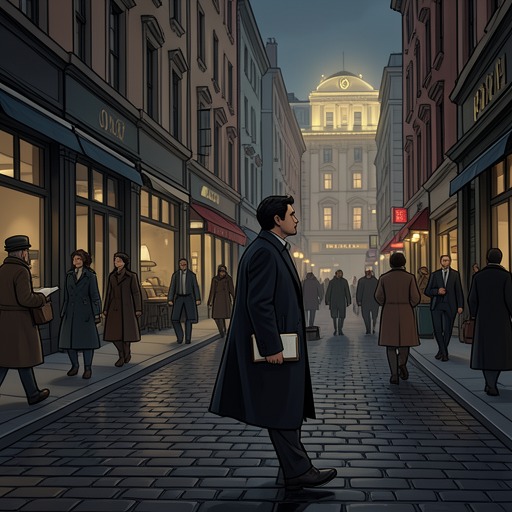
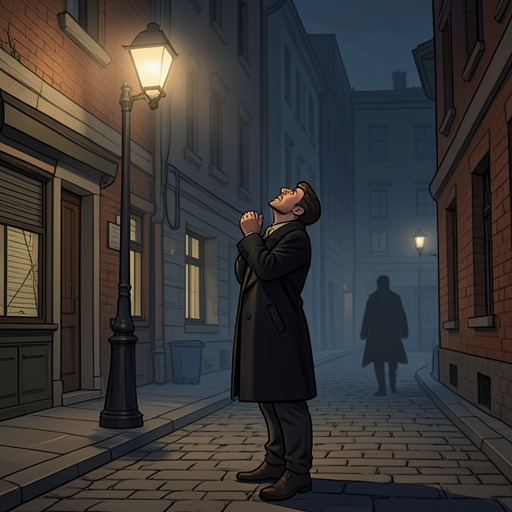
The narrator walks through Calcutta after losing his job and home. At the spot where the Birla Planetarium now stands, he pauses beneath the trees on the way to the Victoria Memorial. The scene interrupts his isolation: the trees calm him, and the stars beyond their leaves seem neither to mock nor condemn him, but to watch in silence. Their quiet leaves open the possibility that there may still be a life ahead that he cannot yet see.
The reassurance is set against a harsher reading of the same night. The English poet Rudyard Kipling had imagined the sleeping city as a place of corruption and ruin, and the narrator recognizes that, with his own grievances and anger, he could have echoed that bleak verdict. Yet he cannot bring himself to do so. The contrast makes his refusal an act of hard-won restraint, not a denial of the injuries that have brought him there.
A changed relation to grief
The stars’ assurance of a new life gives the narrator a sense of rebirth. From that moment, he says, he sees the world and the Hotel Shahjahan with different eyes. His change is expressed as a change in speech and responsibility: he will no longer accuse God on behalf of Sujata Mitra, Karabi Guha, Connie, Gómez, or Satyasundar Bose. Instead, he will speak from his own experience and share his sorrow with the countless people whose lives have also been struck by grief.
This resolve widens private loss into fellowship without making the losses interchangeable. The named people remain the particular dead and bereaved for whom the narrator has suffered; the countless others are those with whom he can share pain. His hope therefore does not depend on explaining suffering away. It rests on the possibility of bearing witness to it alongside others.
Hope and departure
The narrator’s encounter with the stars also reverses the conclusion suggested by Kipling’s imagined prayer for universal destruction. Where the poet’s assent to perdition treats ruin as final, the stars give the narrator strength and a sense of time still extending generously before him. He believes that even this sin-stained city may one day be sanctified by goodness. The belief is an opening toward the future, not a claim that the city or its injustices have already changed.
He returns across Chowringhee and pauses to look once more at the Hotel Shahjahan, whose tired neon lights are still blinking. The hotel has been an astonishing realm in his recent life, but he now regards it from a changed distance. After that final look, he continues on his way. The ending joins departure to renewal: he leaves without shelter or employment, but no longer accepts despair as the only honest account of what lies ahead.