Janusz Woźniak
ConclaveJanusz Woźniak is the Prefect of the Papal Household and the person who discovers the late Pope’s body. Closest to the Pope among the household members, he becomes essential to the account of the Pope’s final hours—and later tells Jacopo Baldassare Lomeli that the Pope dismissed Joseph Tremblay shortly before his death. Woźniak’s role shifts from bereaved attendant and official witness to a troubled source whose disclosure puts the circumstances of the death and the conduct of the Church’s leadership in question.
Position in the Papal Household
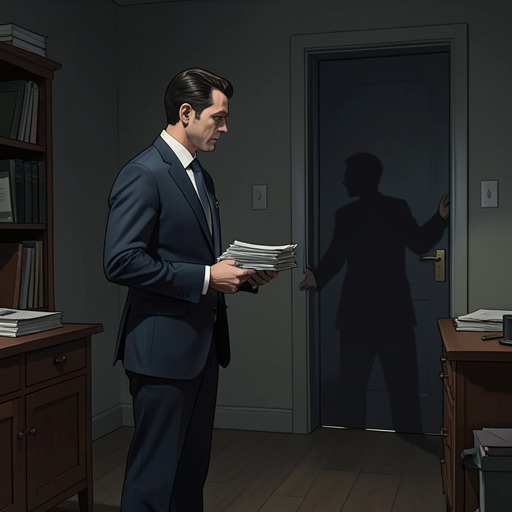
At the papal suite, Woźniak comes forward to meet Lomeli, his eyes puffy and his hands raised in distress. Lomeli comforts him by holding his cheeks and telling him that his presence had made the Pope happy. The exchange establishes a personal closeness between Woźniak and the late Pope that reaches beyond his official position. In the crowded rooms where the senior Church officials gather, that closeness also makes him an important witness.
Lomeli later thinks of Woźniak as the person closest to the Pope among the members of the Papal Household. He is relieved to learn that Woźniak, rather than a security guard or a nun, was the first to find the body. The detail matters not only to Lomeli’s understanding of the death but also to the account that will be given publicly: the identity of the discoverer could shape suspicion and rumor.
The Death and the Official Timeline
When Lomeli asks who found the Pope, Woźniak answers that he did. The account Lomeli receives places Woźniak with the Pope at dinner in the reserved section of the Casa Santa Marta dining room at 7:30 p.m. At 8:30, the Pope returned to his apartment to read and meditate on Chapter 8 of The Imitation of Christ, “Of the dangers of intimacy”; he went to bed at 9:30. At 11:30, Woźniak checked on him and failed to observe vital signs. A doctor began emergency treatment at 11:34, and the Pope was pronounced dead at 12:12 a.m.
That sequence gives Woźniak a defined place in the official account: he shared the Pope’s final meal and later checked on him. Yet the account also prompts questions about what happened between those moments and what the Pope may have said or done before his death. The timeline’s neat progression becomes particularly consequential when Woźniak later discloses that the Pope’s last official appointment had been a meeting with Tremblay.
Delayed Disclosure and Confession
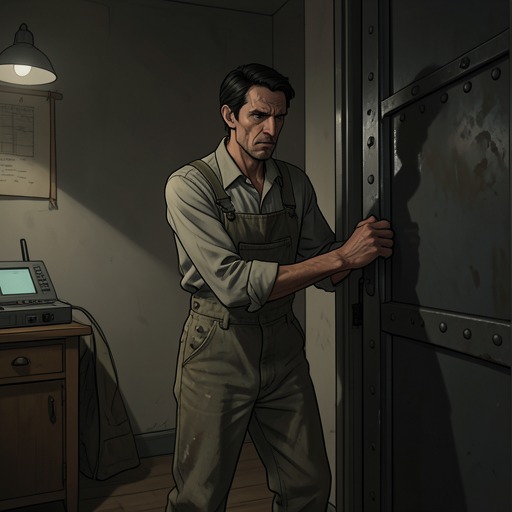
Woźniak eventually approaches Lomeli to confess. When Lomeli opens the door, Woźniak is standing with his back turned, and Lomeli notices the smell of alcohol. Lomeli means to embrace him, but Woźniak kneels and begins by identifying his last confession as four weeks earlier. The scene recasts the hesitant official witness as a man seeking the sacrament while carrying information he has struggled to reveal.
Woźniak reminds Lomeli that Tremblay had the Pope’s last official appointment, at four o’clock on the day he died. He then states that during that meeting the Pope dismissed Tremblay from all his Church offices. The claim gives the meeting a grave significance that the death timeline alone could not convey: the Pope had made a major decision about a senior Church official only hours before dying.
Woźniak explains why he did not disclose the matter on the night of the death. After Woźniak found the Pope and summoned the doctor, the doctor notified Tremblay, who arrived and took charge according to the rules governing the first official notification of a Pope’s death. Woźniak says he was shocked and did not feel able to object when Tremblay assumed control. Later, Tremblay asked whether the Pope had been troubled by anything at supper. Woźniak says he admitted that the Pope seemed agitated but withheld what he knew about the dismissal because he was frightened and believed he was not supposed to know of the matter.
Woźniak also recalls seeing Tremblay whispering with the Pope’s private secretary, Hector Morales, and suspects Tremblay was persuading Morales to remain silent about the meeting. He presents that interpretation as a guess, not as something he witnessed directly. The distinction leaves Lomeli with a consequential allegation and a possible explanation for the absence of an earlier report, but not independent confirmation of what passed between the two men.
Evidence, Secrecy, and the Church’s Crisis
Woźniak’s account sits within a broader struggle over what the Church’s officers know and what they are willing to disclose. The official timeline records his actions in precise times, while his later confession supplies an omitted fact about the Pope’s last meeting. His testimony therefore makes the difference between a procedural record and a fuller account visible: the sequence of dinner, bedtime, discovery, and medical treatment does not itself explain the political conflict immediately preceding the death.
The Pope’s hidden papers add a separate institutional dimension to the crisis. Among the documents Lomeli finds are figures, bank statements, transfers, apartment addresses, and notes in the Pope’s handwriting. One list records the official apartments occupied by members of the Curia, including the Pope’s own 50-square-metre accommodation at the Casa Santa Marta. An attached report estimates the APSA patrimony at 347,532 square metres and gives its potential value as more than €2.7 billion, against a stated book value of €389.6 million; it also reports a paid occupancy rate of only 56 percent and suspected underreporting of income. The evidence does not establish that Woźniak took part in these financial matters, but it places his testimony about concealed information inside a Church already confronting questions of oversight and accountability.
Aldo Bellini describes the late Pope’s pontificate as a sustained battle over reform. He recalls the Pope’s refusal of full regalia and residence in the Apostolic Palace, followed by demands for transparent accounts, receipts, outside tenders, and financial scrutiny by accountants and management consultants working from the Casa Santa Marta. Bellini says these measures provoked hostility and leaks, while the Pope became increasingly isolated within the Holy See. Woźniak’s delayed disclosure echoes that atmosphere of pressure and mistrust without making him the cause of it: he is a witness whose fear helps explain why a decisive fact about the Pope’s final day was not part of the first account.