Grandin Village
DopesickGrandin Village is a Roanoke retail hub whose leafy streets and prosperous neighborhood amenities form the setting for a consequential moment in the opioid crisis narrative: Scott Roth bought the heroin that ended his life there, only fifteen minutes from the Hidden Valley home where he was raised.
Setting and Character
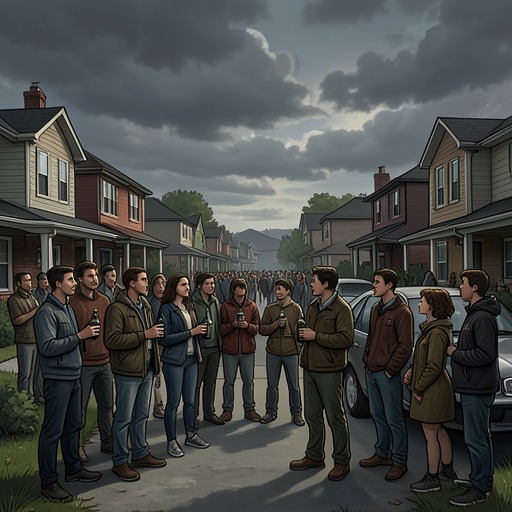
The village is described through its everyday comforts and markers of affluence. Locals dine on regionally sourced produce, take yoga classes, watch subtitled movies, and gather at a weekly farmers’ market. Tree-lined streets and solid brick homes dating to the 1920s, many with expansive carports, give the area a settled, residential character; some residents furnish their homes with Stickley sofas costing thousands of dollars.
The Overdose
Scott bought the heroin in an apartment in Grandin Village. The purchase places the drug’s fatal reach not in a distant or visibly marginal setting, but within a familiar retail neighborhood of restaurants, homes, and weekly routines. His childhood home in Hidden Valley was a short drive away, linking the place where he grew up to the place where he obtained the heroin that killed him.
Narrative Significance
The contrast between Grandin Village’s cultivated comfort and the fatal transaction unsettles any assumption that heroin use belonged only to conspicuously troubled places or people. Its proximity to Hidden Valley sharpens that point: Scott’s death occurred within the same local landscape as his upbringing, while the ordinary appearance of both places offered no reliable indication of the drug use unfolding there.