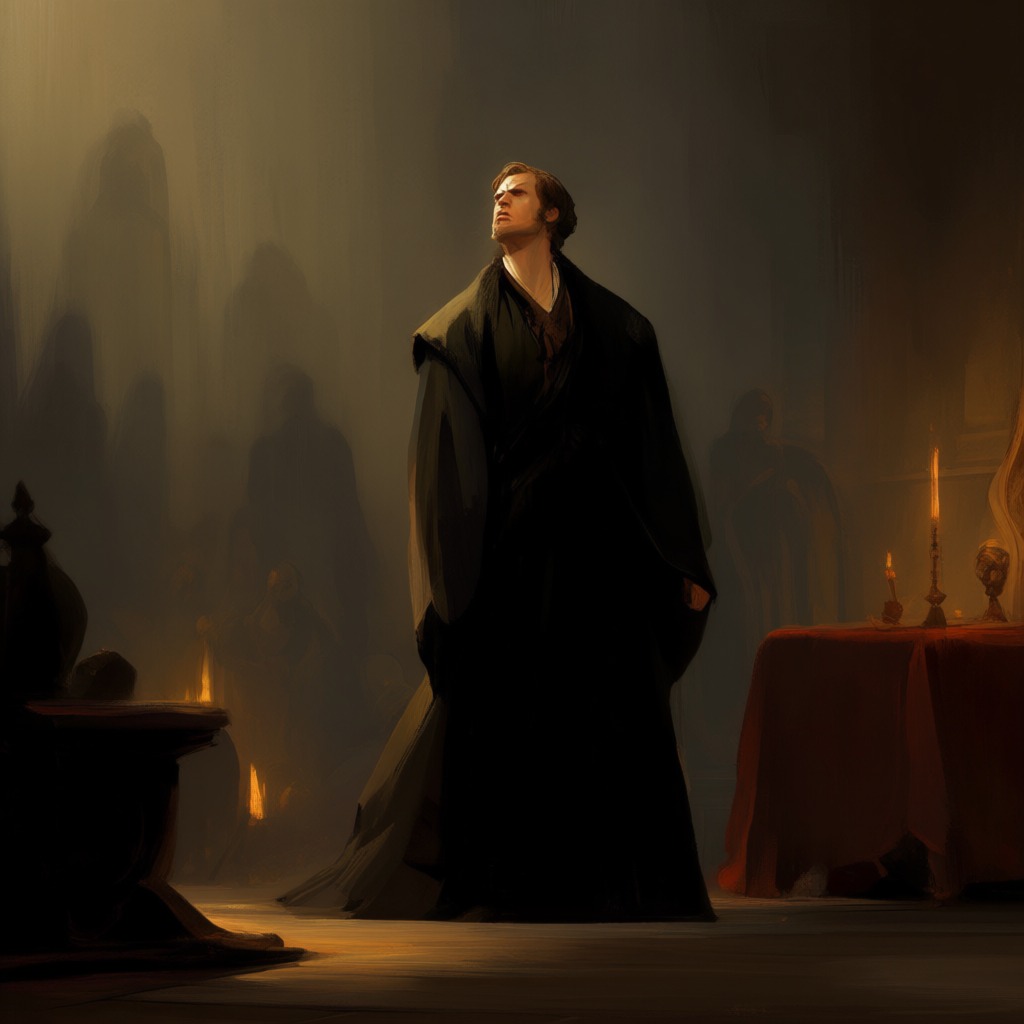
Memorial Park
Memorial Park is a small, rectangular park in Derry, Maine, situated on the flank of Standpipe Hill. Its most prominent feature is the Derry Standpipe, a massive, shingled white cylinder that once held one and three-quarters million gallons of water and offered a panoramic view of the town from a circular gallery near its roof. The park itself was named after the 23rd Maine Regiment, the Derry Blues, who fought in the Civil War. A statue originally erected in their honor was destroyed in a storm during the 1940s and was replaced by a large stone birdbath, which became a favorite spot for local birdwatchers, including Stanley Uris and his father.
The Standpipe and the Dead Boys
For Stanley Uris, Memorial Park was the site of a formative and horrifying childhood encounter. On a rainy April evening in 1958, he went to the park to spot a rare male cardinal. As dusk fell, he heard a loud boom and discovered the heavy door at the base of the Standpipe had burst open, its padlock shattered. Drawn inside by the sound of calliope music and the smell of popcorn and cotton candy, Stanley was trapped when the door slammed shut behind him. In the darkness, he was confronted by the shambling, waterlogged corpses of two dead boys, their hands adorned with small orange pompoms, who beckoned to him. He escaped only by screaming the names of birds from his field guide, a desperate act that seemed to repel the entities and allow the door to swing open.
The Standpipe's Destruction
Decades later, during the catastrophic storm of May 31st, 1985, Memorial Park was the epicenter of a new disaster. The Standpipe, already structurally compromised, began to lean precariously. A local teenager, Andrew Keene, watched in disbelief as the great white cylinder toppled, its internal cables snapping like guitar strings. The fall released one and three-quarters million gallons of water in a tidal wave that swept through the park, destroying the stone birdbath, uprooting a line of maples and birches, and washing away nearly a dozen houses on the far side of Kansas Street. The Standpipe itself rolled down the hill, crashing into the street and channeling a flood of water toward downtown, contributing to the collapse of the city's business district.
Narrative Significance
Memorial Park functions as a key location in the novel's exploration of childhood terror and the cyclical violence that plagues Derry. For Stanley, it is a place where the boundary between the mundane and the supernatural collapses, and where his specific, ordered knowledge—his bird book—becomes an unlikely weapon against the formless evil. The park's destruction in 1985 mirrors the broader collapse of Derry's infrastructure and the final, violent end of the 27-year cycle. The Standpipe, a symbol of the town's history and civic pride, becomes an instrument of destruction, marking the climax of the storm that physically and symbolically tears the town apart.