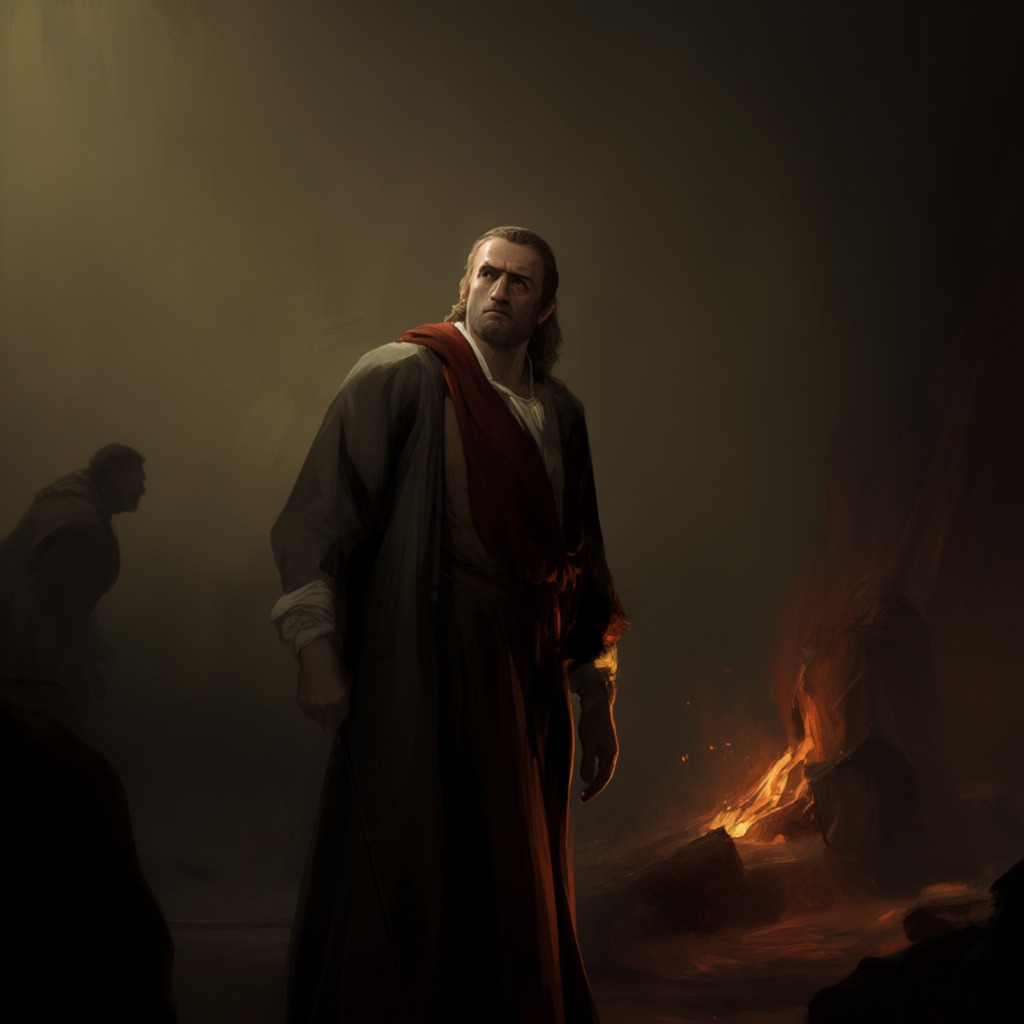
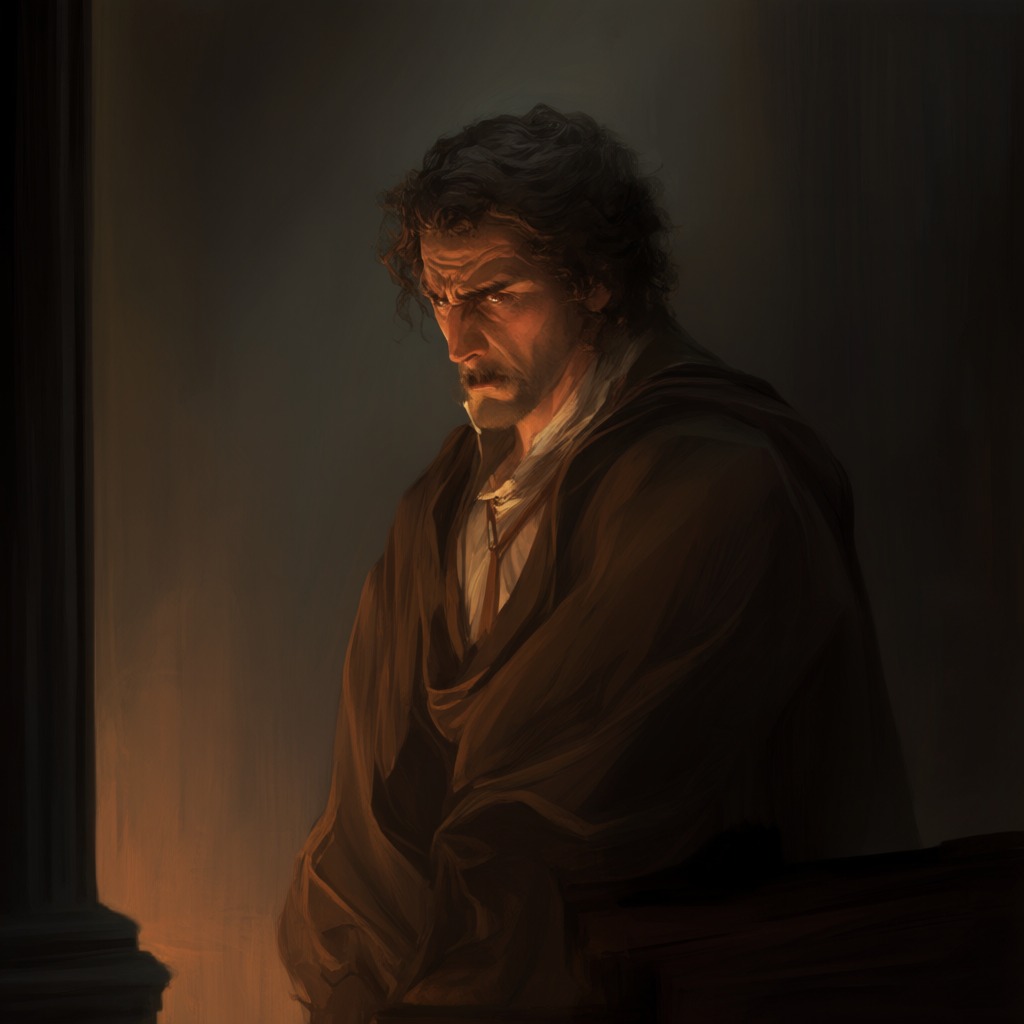
Will Hanlon
Will Hanlon is the father of Mike Hanlon and a living repository of Derry's darkest history. A former soldier in the segregated Company E at the Derry Army Air Corps Base, he survived the 1930 fire at the Black Spot, a lynching by the Maine Legion of White Decency, and later became a successful farmer. His stories of the fire, the Bradley Gang shootout, and his confrontations with the racist Butch Bowers form a crucial part of the Losers' Club's understanding of the evil that has haunted Derry for centuries. Will Hanlon embodies the resilience and moral clarity that Mike inherits, and his voice—recorded in Mike's notebook—serves as a testament to the town's buried history.
Identity and Background
Will Hanlon was born and grew up in Burgaw, North Carolina, in a family so poor that meat was seen only after the tobacco was in or when his father shot a coon or a possum. After his father died in an accident with farm machinery, his mother, Shirley, altered his birth certificate to make him eighteen and sent him to join the army. He signed up at the courthouse, where the recruiter laughed when Hanlon said he could write his name and asked about training to be an officer. The recruiter told him, "The day they got nigger officers in this man's army will be the day you see the bleedin Jesus Christ doing the Charleston at Birdland." Hanlon was sent to Derry, Maine, and assigned to Company E, the segregated unit of black privates.
Life at the Derry Base and the Black Spot
At the base, Hanlon endured systematic humiliation from Sergeant Wilson, a Georgia cracker who forced him to dig and refill a hole repeatedly, then defecated in it while grinning. Wilson's casual cruelty was part of a larger pattern: Company E was housed in a "special" barracks half a mile from the other seven, which had oil heat, storm windows, and insulation. Their barracks was heated by a balky wood furnace, and when they procured storm windows, they were detailed away and the windows were broken. In 1930, Major Fuller, under pressure from the Town Council, declared downtown bars off-limits to Company E and gave them an old requisition shed as their own club. The men fixed it up, calling it the Black Spot, and it became a popular spot for both black soldiers and white townspeople, who brought country-club booze and danced to a hot Dixieland combo. This success enraged the local elite, and on a November night, the Maine Legion of White Decency, wearing white sheets and carrying torches, set the Black Spot on fire. Hanlon was nearly trampled in the stampede but was saved by Trevor Dawson and Dick Hallorann. He escaped through a window, and later helped Dawson commandeer Sergeant Wilson's truck to bash open the side of the burning building, allowing dozens to escape. The fire killed sixty people, including eighteen from Company E. Hanlon saw a giant bird—a kestrel with a sixty-foot wingspan—hovering over the fleeing Klansmen, its wings tied with balloons. He never told anyone, fearing he would be locked up.
Return to Derry and Confrontation with Butch Bowers
After leaving the army in 1937 with a disability pension (he lost part of his left foot when a recruit dropped a defective hand grenade), Hanlon married Jessica and moved to Houston for war work. But the thought of Derry never escaped his mind. He subscribed to the Derry News and eventually bought a farm on Witcham Road. The first year was hard: kids threw rocks and beer cans, and someone painted a swastika on the chickenhouse and poisoned all the chickens. The County Sheriff, Sullivan, investigated and found that Butch Bowers was responsible. Hanlon declined to press charges for the full value, accepting two hundred dollars for the chickens. Butch Bowers then went around telling his friends he would burn Hanlon out. Hanlon confronted him on Witcham Street, grabbing him by the hair and putting the stock of his Winchester rifle under Bowers's chin. "The next time you call me a nigger or a jig, your brains are going to be dripping off the domelight of your car," he said. "Any fires out my way and I'm gunning for you. I may come gunning for your wife and your brat and your nocount brother as well. I have had enough." Bowers started to cry, and the harassment stopped. Hanlon later told Mike that the idea that Butch Bowers was crazy might not be far wrong; he had never been right after coming back from the Pacific.
Relationship with Mike and the Passing of History
Will Hanlon raised Mike with a deep sense of history and place. He sent Mike to explore the ruins of the Kitchener Ironworks, the trolley tracks in Old Cape, and the courthouse to see the tramp-chair. He taught Mike that "you pay for what you get, you own what you pay for... and sooner or later whatever you own comes back home to you." He also taught him that there is good in Derry as well as bad, pointing to Sheriff Sullivan's work on the chicken-poisoning case as an example. In the hospital, dying of cancer, he told Mike the full story of the Black Spot fire, including the vision of the giant bird with balloons tied to its wings. He died when Mike was fifteen, and Mike's grief lasted for almost two years. His voice—low, slow, full of chuckles and pauses to light his pipe—is for Mike "the voice of all voices, the voice of all years, the ultimate voice of this place."
Thematic Significance
Will Hanlon represents the possibility of moral clarity and resistance in a town that has been shaped by centuries of violence and forgetting. He survived the fire at the Black Spot, confronted the racist Butch Bowers, and built a successful life on his own terms. His stories—of the Bradley Gang shootout, the fire, the giant bird—form the backbone of Mike's research into Derry's cycle of evil. He is the one who taught Mike that "bad things, hurtful things, do right well in the soil of this town," but also that there are good people who will stand up. His death from cancer, and Mike's long grief, underscore the cost of bearing witness. Will Hanlon is the keeper of the flame, the one who passed on the knowledge that would eventually help the Losers' Club confront It.