Henry Bowers
Henry Bowers is the primary human antagonist of Stephen King's It, a violent, deeply disturbed bully from Derry, Maine, whose escalating cruelty is exploited by the malevolent entity Pennywise. From his first appearance tormenting Ben Hanscom on the last day of school in 1958 to his final, fatal confrontation with Eddie Kaspbrak in 1985, Henry serves as a brutal, mundane instrument of the town's supernatural evil, embodying the cycle of hatred and violence that feeds the creature.
Identity and Background
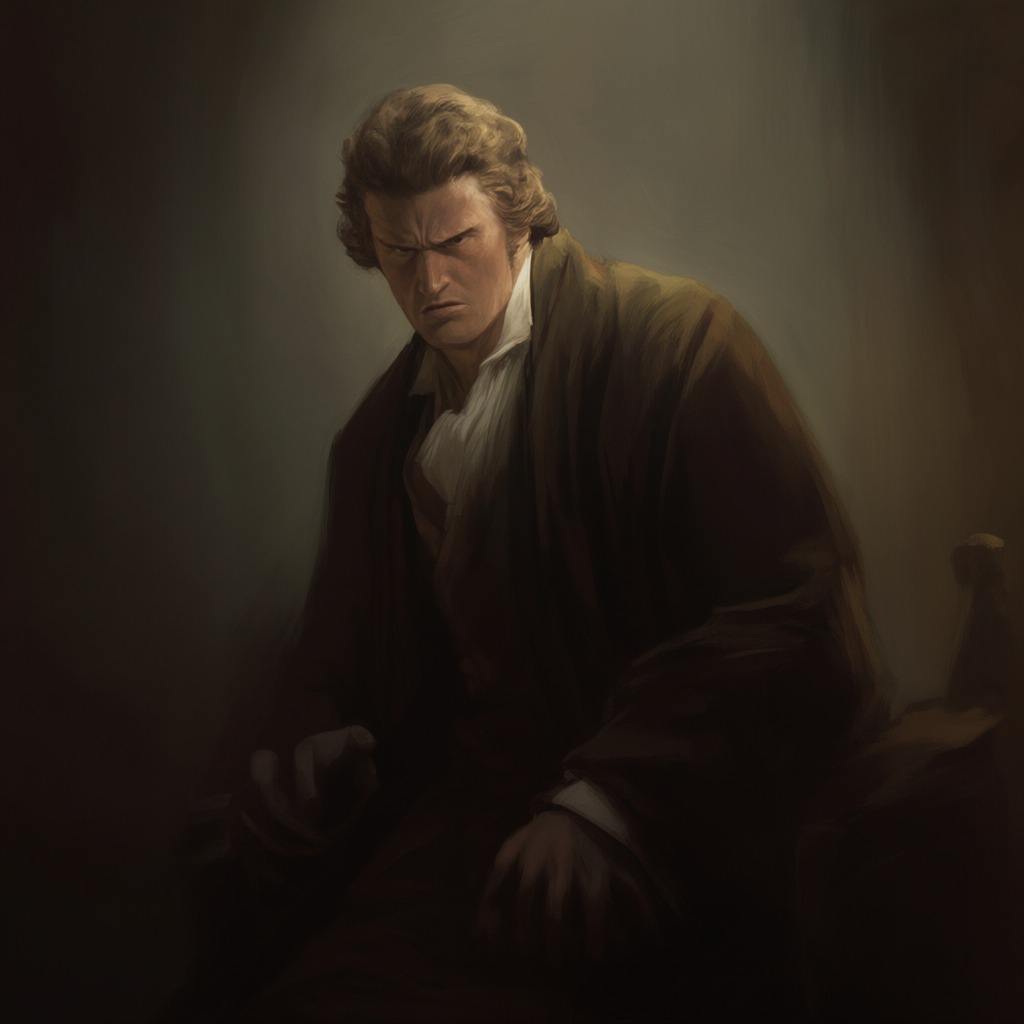
Henry Bowers is a large, aggressive boy, a year older than most of his classmates, having been held back in the fifth grade. He lives on a failing farm at the end of Kansas Street with his father, Oscar "Butch" Bowers, a man widely reputed to be insane. Butch, a violent and paranoid World War II veteran, fills Henry's ears with a constant litany of hate, particularly against their Black neighbor, Will Hanlon, blaming him for the family's misfortunes. Henry's mother left after Butch nearly beat her to death. Henry's appearance is marked by an angry flattop haircut, slicked with Butch-Wax, and he habitually wears a pink motorcycle jacket with an eagle on the back. He is physically powerful from farm labor, but his cruelty is not merely physical; it is a learned, deeply ingrained response to a world of abuse and neglect. His primary companions are Victor Criss and Belch Huggins, who follow him out of fear and a shared, if less intense, capacity for cruelty.
Life and Plot Trajectory
Henry's trajectory is one of escalating violence, moving from schoolyard bullying to attempted murder, and finally to being a pawn of a cosmic horror. In 1958, he terrorizes the members of the Losers' Club, carving an "H" into Ben Hanscom's stomach with a Buck knife, breaking Eddie Kaspbrak's arm, and chasing Beverly Marsh with a switchblade. His hatred is particularly focused on Mike Hanlon, whom he attacks for being Black, and whose dog, Mr. Chips, he poisoned. Henry's actions are increasingly driven by the influence of It, who speaks to him from the moon and through sewer grates, guiding him to chase the Losers into the sewers. This pursuit leads to the deaths of his friends, Victor and Belch, at the hands of the creature, while Henry escapes, traumatized. He is later arrested for the murder of his father, Butch, and is convicted for a series of murders he did not commit, spending the next twenty-seven years in the Juniper Hill asylum for the criminally insane.
Key Actions and Objectives
Henry's primary objective is domination through violence. He seeks to punish anyone who defies him, particularly the Losers' Club, whom he sees as having humiliated him. His key actions include: carving his initial into Ben Hanscom's stomach; breaking Eddie Kaspbrak's arm; chasing Beverly Marsh with a switchblade; attacking Mike Hanlon with mud and later with a knife; and, under the influence of It, leading Victor and Belch into the sewers to their deaths. After escaping from Juniper Hill in 1985, he is driven by the same voice to kill the now-adult Losers. He stabs Mike Hanlon in the library, nearly killing him, and then attacks Eddie Kaspbrak in his hotel room, leading to his own death.
Relationships and Conflict
Henry's relationships are defined by dominance and fear. He leads Victor Criss and Belch Huggins, who are both his followers and his only companions, though their loyalty is tested by his increasing instability. His relationship with his father, Butch, is a cycle of abuse and emulation; Henry both fears and seeks to please him, ultimately killing him with a switchblade sent by It. His central conflict is with the Losers' Club, whom he sees as a collective enemy that has repeatedly thwarted him. This conflict is not merely personal; It uses Henry as a tool to try to destroy the Losers, amplifying his hatred and guiding his actions. His hatred for Mike Hanlon is particularly virulent, rooted in his father's racism and his own sense of grievance.
Change and Ending
Henry's character undergoes a process of radicalization and decay. From a brutal but recognizable schoolyard bully, he becomes a homicidal maniac, his mind eroded by his father's abuse and the supernatural influence of It. His time in Juniper Hill does not reform him; it only deepens his psychosis, leaving him a broken, paunchy, and prematurely aged man who still hears the voice of the clown. His final act is a desperate, murderous attack on Eddie Kaspbrak, who kills him in self-defense by impaling him with a broken Perrier bottle. Henry dies on the floor of a hotel room, a grotesque and pathetic end to a life defined by hatred and violence, his purpose as It's pawn finally exhausted.
Narrative Role and Evaluation
Henry Bowers functions as the human face of the evil that pervades Derry. He is the mundane, believable monster that exists alongside the supernatural one, demonstrating how the town's atmosphere of violence and hatred breeds real-world cruelty. He is a foil to the Losers' Club, representing the path of giving in to fear and hatred, while they ultimately choose courage and friendship. His story is a tragedy of a child shaped by abuse and manipulated by a greater evil, but he is never granted redemption. He remains a figure of pure, unthinking malice, a necessary component of the novel's exploration of the nature of evil, both cosmic and all-too-human.