The Standpipe
The Derry Standpipe is a massive, shingled white water tower standing over a hundred feet tall in Memorial Park, a landmark visible from across the town. Built to hold one and three-quarters million gallons of water, it once served as a popular destination for families who would climb its one hundred and sixty interior stairs to an open-air gallery for a panoramic view of Derry and the surrounding countryside. By the summer of 1958, however, the Standpipe had been locked to the public for decades following a series of drownings and a tragic incident in which a baby fell from the platform over the water. Its white cylinder, visible from the Barrens, became a brooding presence on the horizon, a symbol of the town's hidden, unspoken horrors.
Stanley Uris's Encounter with the Dead
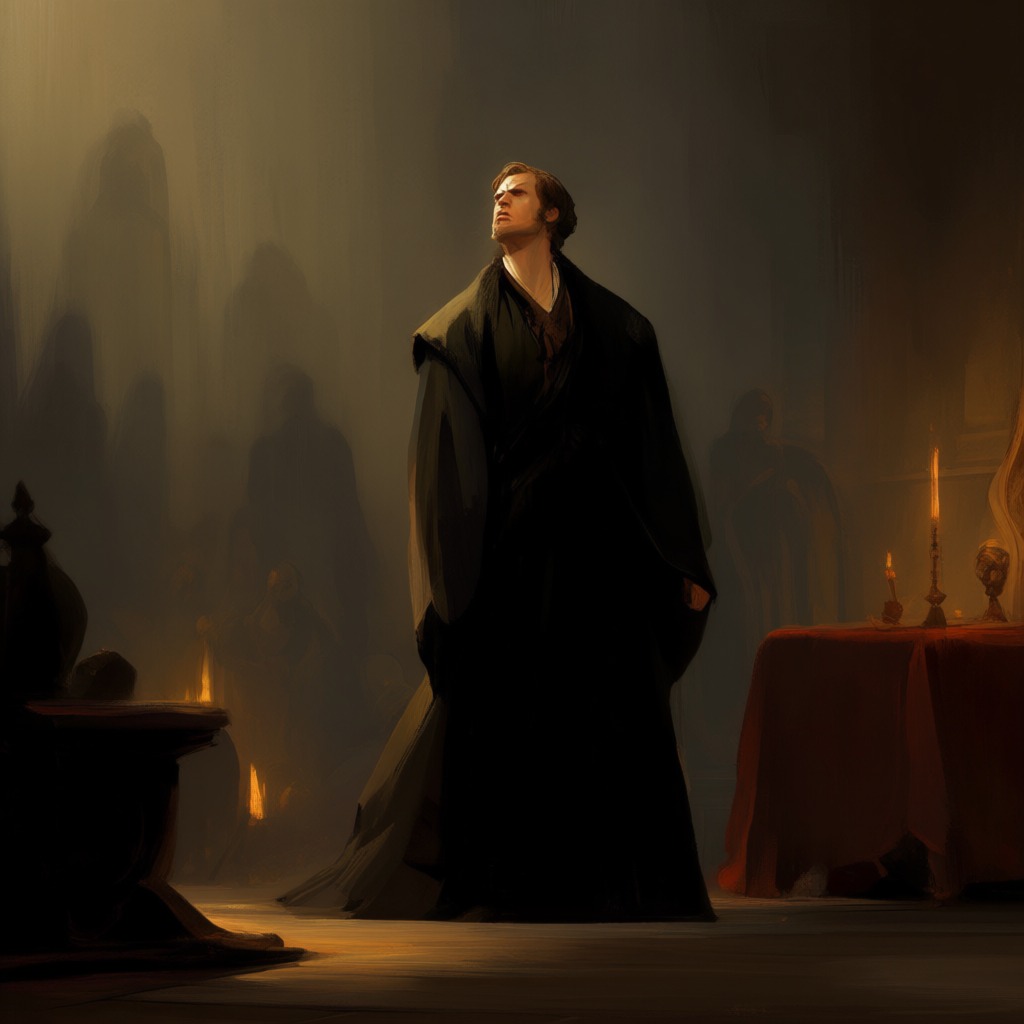
For Stanley Uris, the Standpipe was the site of a deeply personal and traumatic confrontation with the entity haunting Derry. On a rainy April evening in 1958, Stan went to Memorial Park to birdwatch, but was drawn to the Standpipe's heavy door, which he found had been forced open, its padlock burst. Inside, he heard calliope music and smelled the scents of a carnival, but these pleasant sensations were a lure. As he climbed the spiral stairs, he was met by the shuffling, waterlogged figures of dead boys, their jeans decayed to a purplish-black, their hands too long and waxy-white, each finger adorned with a small orange pompom. They beckoned to him, and Stan only escaped by screaming the names of birds, a desperate act of faith that broke the spell and allowed the door to swing open. This encounter, which he kept secret from the others for weeks, left him deeply shaken and established the Standpipe as one of the creature's primary access points to the surface world.
A Landmark of Derry's History and Decline
The Standpipe was more than a site of personal horror; it was a fixture of Derry's history. Its base bore a Latin inscription, "Apparebat eidolon senex," a phrase that haunted Stan. The structure was a remnant of a bygone era, a monument to the town's past prosperity. Its eventual fate was tied to the catastrophic storm of May 31st, 1985, which marked the climax of the cycle of violence. As the storm raged, the Standpipe, its structural integrity compromised by the unprecedented weather, began to lean. Witnessed by a stunned Andrew Keene, the great white cylinder toppled, crashing down the hill and releasing its one and three-quarters million gallons of water in a tidal wave that swept away houses and contributed to the collapse of downtown Derry. The Standpipe's fall was a literal and symbolic destruction of a landmark that had stood for over a century, a final, violent punctuation mark on the town's long nightmare.
Narrative and Thematic Significance
The Standpipe functions as a powerful symbol of the hidden, decaying history beneath Derry's surface. Its locked doors and sealed-off interior represent the town's collective amnesia and the secrets adults refuse to acknowledge. For the Losers' Club, it was a place where the boundary between the mundane world and the supernatural realm of It was terrifyingly thin. The Standpipe's destruction in the 1985 storm is not merely a piece of spectacular disaster; it is a necessary act of cleansing, a physical manifestation of the end of the cycle. Its fall, along with the collapse of the downtown area, signals that the old, poisoned order of Derry is finally being swept away, making way for a future that, while uncertain, is no longer under the shadow of the ancient evil.