Plaza Mayor of Salamanca
MayaThe Plaza Mayor of Salamanca is where Frank Andersen’s search for Ana María Maya and José turns from suspicion into renewed contact. After the congress, he remains in the city because he is certain he saw the pair beneath a bridge over the Tormes River; the next morning, the square brings him face to face with them again, this time amid the ordinary bustle of a café and the strains of flamenco.
Setting and First Encounter
Frank tells Vera that he could not leave Salamanca after the congress without spending a day or two trying to find the figures he had seen under the bridge. Vera had treated his account as a joke or an invented story meant to entertain her before they returned to the hotel. Frank insists that the people beneath the bridge were Ana and José. The following morning, he encounters them in the Plaza Mayor, a meeting that confirms his perception but begins a new sequence of unanswered questions.
A City Walk Shared with Vera
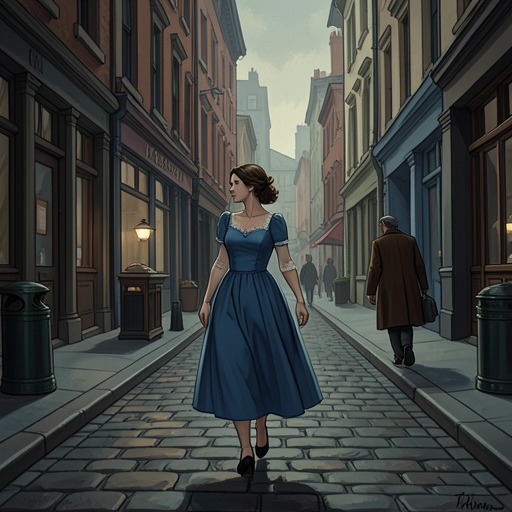
The square also frames the last evening Frank and Vera spend together during the congress. At Vera’s insistence, he shows her the old university city before dinner, beginning in the Plaza Mayor and walking down toward Monterrey Palace, then associated with the Duchess of Alba. Their route through the historic streets gives way to a quiet conversation about Sonia, their dead daughter. The old buildings and their reddish sandstone in the evening light remain in the background; the city’s beauty serves as a setting for shared grief rather than a distraction from it.
Frank imagines that, had Sonia not died in the accident, the three of them might have walked through Salamanca together, bringing their five-year-old daughter along while attending the congress. The square and the surrounding city thus hold two versions of the same occasion: the life Frank and Vera actually share, marked by separation and bereavement, and the family outing that the accident made impossible.
The Café and the Search
The next morning, Frank goes looking for Ana and José without knowing their surnames. He wanders through the streets and asks after a television journalist called José and a flamenco dancer called Ana, but realizes that these descriptions are too incomplete to make his search effective. Missing breakfast at the hotel, he enters the busy café in the Plaza Mayor where he and Vera had lunched the previous day.
Frank orders a tortilla pincho and a beer. Ana hurries into the café without noticing him; then he spots José waiting behind a column at the far end of the room. The pair exchange whispered words, too distant for Frank to hear. He decides to finish eating before approaching them, interpreting their chance meeting so far from Maravu as an extraordinary coincidence.
Flamenco music begins inside the café. Frank turns toward the interior and thinks the performance may be in honor of Ana, the dancer. The singing concerns love and abandonment, life and death; he notices Ana seem to shudder and wonders whether she is restraining herself from rising to dance. Instead, she abruptly leaves the café. Her sudden departure overturns Frank’s expectation of a casual greeting and leaves the encounter charged with urgency.
Narrative Significance
The Plaza Mayor gathers the novel’s personal and investigative strands into one place. Frank’s search for Ana and José unfolds against the recent loss of Sonia and his tentative reconnection with Vera; the square’s café is at once a familiar stop from their shared day and the unexpected meeting point with the people Frank has been pursuing. Its apparent coincidences do not resolve the mystery. Rather, the sight of Ana and José together, their inaudible exchange, and Ana’s abrupt exit deepen Frank’s need to learn what connects them to his earlier sighting.