Parque de María Luisa
MayaParque de María Luisa, one of the largest and most richly planted gardens in Seville, is both a refuge in Ana and José’s shared past and the setting for a later walk that brings Frank and Vera close without making them speak openly. Its winding paths, pavilions, grottoes, and shaded corners give the characters room to gather as a family, while the garden’s associations with Ana’s earlier life retain a shadow of illness and avoided memory.
Setting and Character
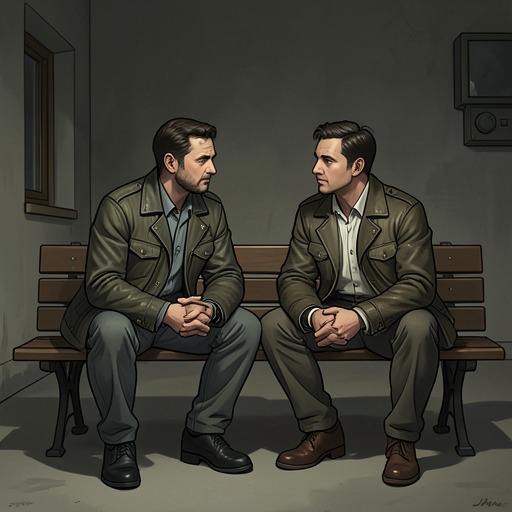
In the recollection José tells Frank, the garden belongs to a circuit of familiar Seville places the couple visited after returning from Salamanca. Ana had once worked with a flamenco group in Seville; hearing its music in a Salamanca café made her body tense with the desire to dance, and she abruptly announced that she wanted to return to her city. José feared he could not keep her away from dancing, so they went to Seville and spent several days with her parents in Triana. They took long walks in Parque de María Luisa, Plaza de España, the Alcázar gardens, and Santa Cruz.
That return also exposed what José and Ana could not discuss. He could not bring her to Plaza de Santa Cruz, where she had danced each night in recent years and from which she had last been taken away by ambulance. Ana said nothing about her heart condition. Whenever they neared the square, marked by an old wrought-iron cross where a church had once stood, she took José’s arm and led him down an alley elsewhere. The park is thus part of a landscape of shared outings, but the account sets it beside a place Ana could not face.
Refuge and Repeated Visits
José had first shown Ana the gardens of the Alcázar, although she had grown up in Seville without ever having visited them. They became her refuge in the city, and at certain periods the couple walked there at least twice a week. On their third day in Seville during the visit he recounts, they returned to the gardens and joked about shutting themselves away there for the rest of their lives. The playful idea of a permanent retreat gives the gardens an intimacy beyond sightseeing: they represent a world apart that Ana and José could imagine inhabiting together.
The Family Walk
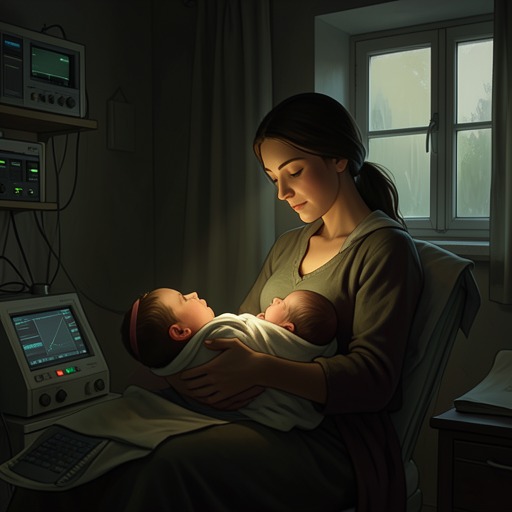
On a later sunny day, Ana and José arrive at Hotel Doña María with their baby, Manuel, in a red-and-black striped pram. Frank and Vera join them for a walk that begins at Plaza de la Virgen de los Reyes, passes the Archivo de Indias and Puerta de Jerez, and follows the Guadalquivir River toward the park. The narrative describes the garden as a broad urban oasis, donated to Seville by Infanta María Luisa in 1893 and later used as the setting for the 1929 Ibero-American Exposition. Its many paths and pedestrian walks, arbours, pavilions, grottoes, artificial hills, flowers, shrubs, shaded corners, and thousands of trees make it one of Europe’s most densely planted gardens.
At the Plaza de América, Ana buys hemp seeds and is immediately surrounded by a fluttering multitude of white pigeons. Frank responds by telling the story of the photograph Laura managed to take of the endemic Orange-breasted Pigeon. The scene briefly brings the novel’s attention to birds and evolutionary ancestry into the ordinary business of a family outing: the pigeons are not merely scenery but the occasion for a story shared among the walkers.
Unspoken Intimacy and Significance
As the group continues into the park, Ana and José take turns pushing Manuel’s pram. Frank and Vera, meanwhile, are absorbed in one another but avoid direct eye contact. Frank looks toward Vera when she looks away; Vera generally looks toward Frank when his attention is on the baby or on Ana and José. The garden hosts a reunion that is physically close and socially easy, yet its central romantic movement remains indirect, carried by exchanged glances rather than conversation.
The park’s role is therefore double. In José’s account, it belongs to the recurring refuge he and Ana made together, set against the traumatic memory associated with her final performance at Plaza de Santa Cruz. In the later walk, it becomes a generous shared space for the young family and for Frank and Vera’s cautious reconnection. Its sheltered paths hold both the possibility of withdrawal from ordinary life and the fragile return of companionship.