Behrooz
NeverthelessBehrooz is the king of Turilessa and a powerful but morally compromised figure in Navon’s search for allies. His reputation makes him a source of danger to women under his authority, while his response to Navi Spyridaki’s appeal shows the limits of what Navon can expect from a ruler whose help comes with political and personal risks.
Identity and Reputation
Behrooz is described as a king of extravagant tastes and an appetite for women. During a discussion of the proposed journey to Turilessa, Navon’s commander reports that Behrooz married two women on the same day and later accumulated more women than anyone else in the country. The commander also recalls a feast lasting thirty days. These details reach the reader as a report about Behrooz, establishing the reputation Navi’s party must reckon with before they arrive.
That reputation is joined by a graver account of his rule. The narrative compares Behrooz to Balthasar as a tyrant, distinguishing their methods: rather than enslaving whole cities, Behrooz’s men take girls from festivals or while they are traveling home. Parents who ask after their missing daughters are killed, and those who return carry the message that the king can take their daughters. The account attributes the seizures and reprisals to Behrooz’s men and presents them as an expression of royal power: people know what is happening, but believe they cannot oppose him. Behrooz’s characterization therefore extends beyond private excess. His position makes the abuse of women part of the political reality his subjects face.
A Kingdom Navon Needs
Behrooz enters the story at a moment when Navon is exposed and short of soldiers. The kingdom has been threatened by Tzara, and its former alliances have failed to provide security; neighboring powers know Navon is vulnerable. In this context, the possibility of Turilessa’s support is not a routine diplomatic matter but one of the few routes by which Navon might strengthen its defenses.
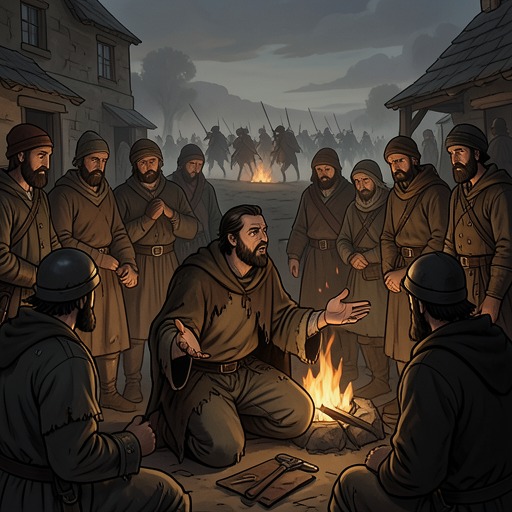
Navi presents himself as the son of Navon’s king, heir to the crown, and general of the royal army. He explains that Navon’s remaining soldiers are too old or too young to meet the danger and asks Behrooz for men. In return, he offers a share of Navon’s wood production, weapons, and, if necessary, a third of its crops. The terms make the kingdom’s weakness plain: protection could cost it essential resources as well as political independence. Behrooz does not accept the proposal on the spot. He says he needs time to consider it and points to what he could lose by helping. The evidence provides no final decision from him, leaving the alliance uncertain at the moment when Navon most needs an answer.
Mabel and the Limits of Royal Protection
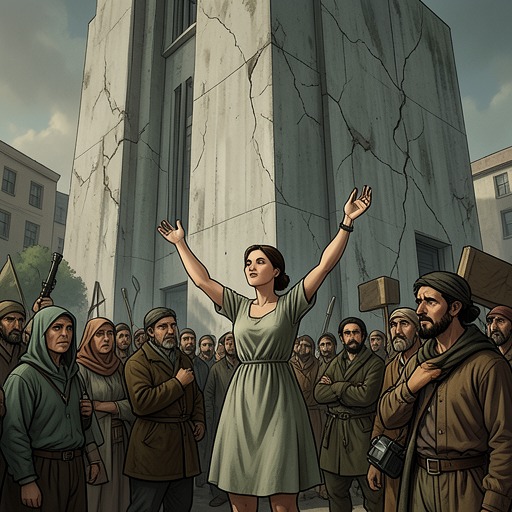
Behrooz’s court is also the setting for a confrontation involving Mabel Peloponnese. When a guard has hold of her, Navi responds with a threat, and Behrooz rises from his throne in a measured, peaceful manner. He orders the guard to release her, explaining that he does not want a war caused by one of his soldiers hurting the wrong girl. Once Mabel is free, Navi lowers his sword but remains alert. Behrooz then asks the guard what Mabel did to deserve such treatment.
The intervention matters: Behrooz can restrain a subordinate and prevent an immediate clash with Navi’s party. But the stated concern is also explicitly political, since he wants to avoid a war. His order does not undo the wider account of women being taken by his men or establish that those abuses will be challenged. The scene holds these facts together rather than resolving their contradiction: Behrooz can halt an incident in his presence, yet his authority belongs to a kingdom where women’s safety is already compromised.
Narrative Role
Behrooz embodies the bargain Navon faces in seeking help from stronger neighbors. The kingdom’s military need forces Navi to offer valuable goods and crops to a ruler whose government is associated with serious abuses. Behrooz’s delay keeps that bargain unsettled, while his intervention at court offers a brief, personal restraint without changing the larger conditions described under his rule.
His scenes also bring political authority into direct contact with individual vulnerability. Navi approaches him as a royal heir negotiating for soldiers; Mabel’s presence exposes the human stakes concealed within that negotiation. Behrooz’s power can determine whether aid is granted and whether a guard releases a captive, but the available evidence stops short of showing him commit Turilessa to Navon’s defense or reform the conduct attributed to his men. That unresolved contrast defines his significance: he is both a possible source of military support and a ruler whose protection cannot be assumed to extend consistently to those under his authority.