
Rage
Rage is a psychological thriller novel by Stephen King, first published in 1977 under the pseudonym Richard Bachman. It was the first novel King released under that pen name, later collected in the 1985 omnibus The Bachman Books. The story centers on Charlie Decker, a high school senior who, after being expelled for insulting the principal, retrieves a handgun from his locker, sets the locker on fire, and returns to his algebra classroom. He kills two teachers and takes the entire class hostage, forcing them to confront their deepest fears and secrets over the course of several hours. The students gradually succumb to Stockholm syndrome, nearly killing the one classmate who resists Charlie's control. In the end, Charlie releases everyone and attempts to provoke the police into killing him, leaving the fate of the protagonist ambiguous.
The novel's core themes include adolescent alienation, the psychology of violence, the breakdown of authority, and the dark side of human nature. King explores how a seemingly ordinary teenager can become a perpetrator of extreme violence through a combination of social pressure, personal trauma, and institutional failure. The claustrophobic setting of the hostage classroom serves as a pressure cooker for intense psychological drama.
King wrote Rage in the early 1970s while living in poverty with his family. He initially titled it Getting It On and later said the idea came from a simple question: what would happen if a student brought a gun to school? The manuscript was considered too dark for publication under his own name, so King created the Richard Bachman persona to avoid saturating the market. The novel was published as a paperback original by Signet Books and sold modestly at first.
The book's notoriety stems from its real-world associations. Between 1988 and 1997, at least five school shootings were linked to Rage, most notably the 1997 Heath High School shooting in Kentucky, where 14-year-old Michael Carneal killed three students. Police found a copy of Rage in Carneal's locker. Deeply troubled by these connections, King requested that the novel be taken out of print in the United States. It has since become the only Stephen King novel that cannot be purchased new, although used copies of The Bachman Books still circulate. King has publicly reflected on the book's impact, stating that he would not write it today and that the world has changed drastically since the 1970s.
Rage holds a unique place in literary history: it is a compelling early work by a master storyteller, a cautionary tale about the power of fiction, and a rare example of an author voluntarily suppressing his own creation. Critics praise its sharp character study and tense pacing, but the ethical questions it raises remain unresolved. The novel continues to be studied in discussions of media violence, censorship, and authorial responsibility.
About the Author
Stephen Edwin King was born on September 21, 1947, in Portland, Maine, the second son of Donald and Nellie Ruth Pillsbury King. His father, a merchant seaman, abandoned the family when Stephen was two years old, leaving his mother to raise him and his older brother David in poverty. The family moved frequently, living in Indiana, Connecticut, and Wisconsin before returning to Durham, Maine, when Stephen was eleven. There, his mother worked as a cook in a residential facility for the mentally disabled while caring for her aging parents.
King developed a passion for reading and writing at an early age. He wrote his first story, about a rabbit and his friends, at age six, and his mother paid him a dollar for it. He attended the University of Maine, graduating in 1970 with a Bachelor of Arts in English. During college, he wrote a column for the student newspaper and met his future wife, Tabitha Spruce, in the library. After graduation, he struggled to find a teaching position and worked odd jobs in a laundry, as a gas station attendant, and as a janitor while writing short stories for men's magazines to supplement his income.
King married Tabitha in 1971, and they had three children: Naomi, Joe (who became a novelist under the pen name Joe Hill), and Owen. The family lived in a trailer, and King wrote on a makeshift desk balanced on a laundry machine. His breakthrough came with the 1974 publication of Carrie, a novel about a bullied teen with telekinetic powers. The book sold for $400,000, allowing King to quit his teaching job (he had briefly taught high school English) and write full-time. He followed with a string of bestselling novels including Salem's Lot (1975), The Shining (1977), The Stand (1978), It (1986), and Misery (1987), establishing himself as the dominant force in modern horror fiction. Many of his works were adapted into major films and television series, including The Shawshank Redemption (1994) and The Green Mile (1999).
King struggled with alcoholism and drug addiction during the 1980s, eventually getting sober in the late 1990s after an intervention by his wife. He documented his recovery in the memoir On Writing (2000). In 1999, he was struck by a minivan while walking near his home in Maine, suffering severe injuries that required multiple surgeries and a long recovery. He continued to write, often while in pain, and published novels such as Dreamcatcher (2001) and Duma Key (2008).
King has received numerous awards, including the National Medal of Arts, the World Fantasy Award for Life Achievement, and the Edgar Award for his short story collection. He is known for his prolific output (over 60 novels) and his ability to tap into universal fears. He lives in Bangor, Maine, with his wife, and remains active in writing and philanthropy. As of 2025, he is 78 years old and still publishing, with recent works including Fairy Tale (2022) and Holly (2023). His legacy as the 'King of Horror' is secure, with his influence extending across literature, film, and popular culture worldwide.
StoryFlow
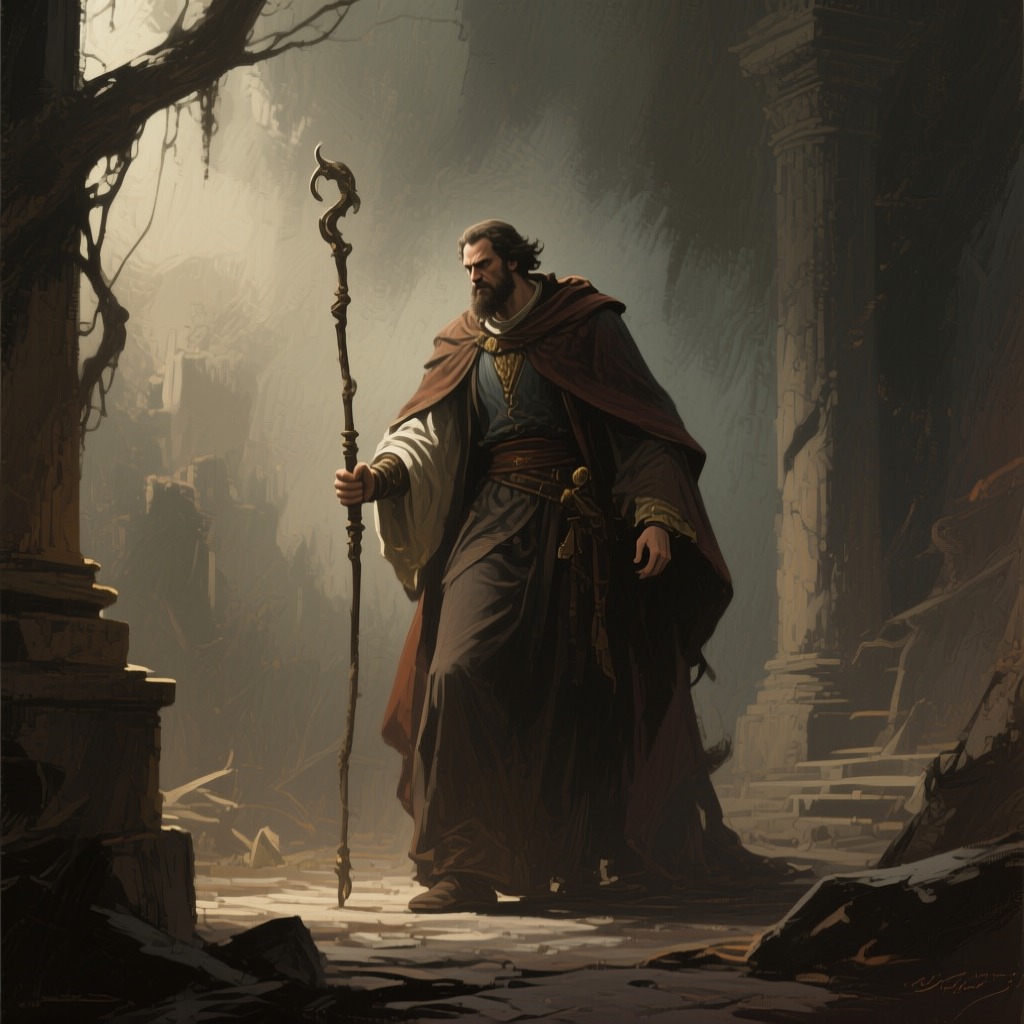
Charlie Decker's Hostage Crisis
The central narrative of Charlie Decker taking his Algebra II class hostage after shooting two teachers.
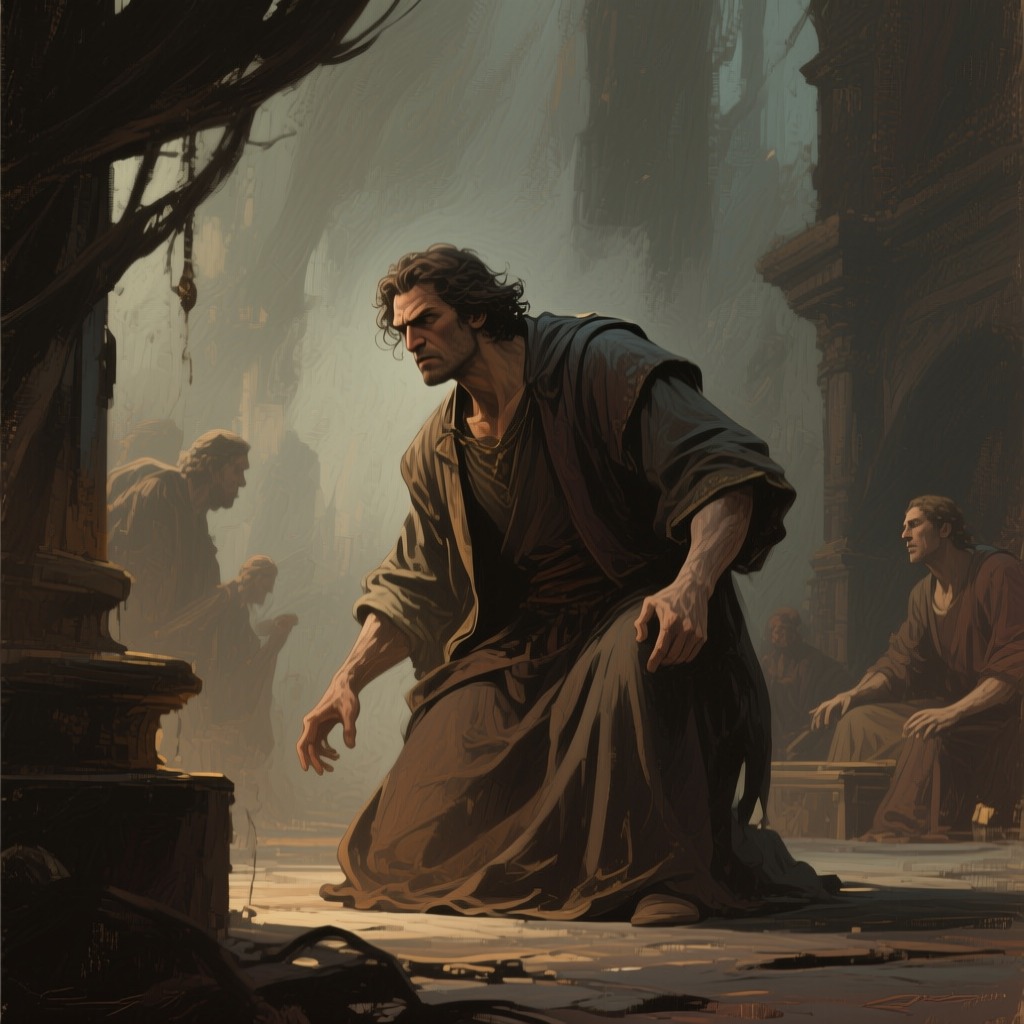
Charlie's Psychological Breakdown
The gradual unraveling of Charlie Decker's sanity leading to the hostage crisis.
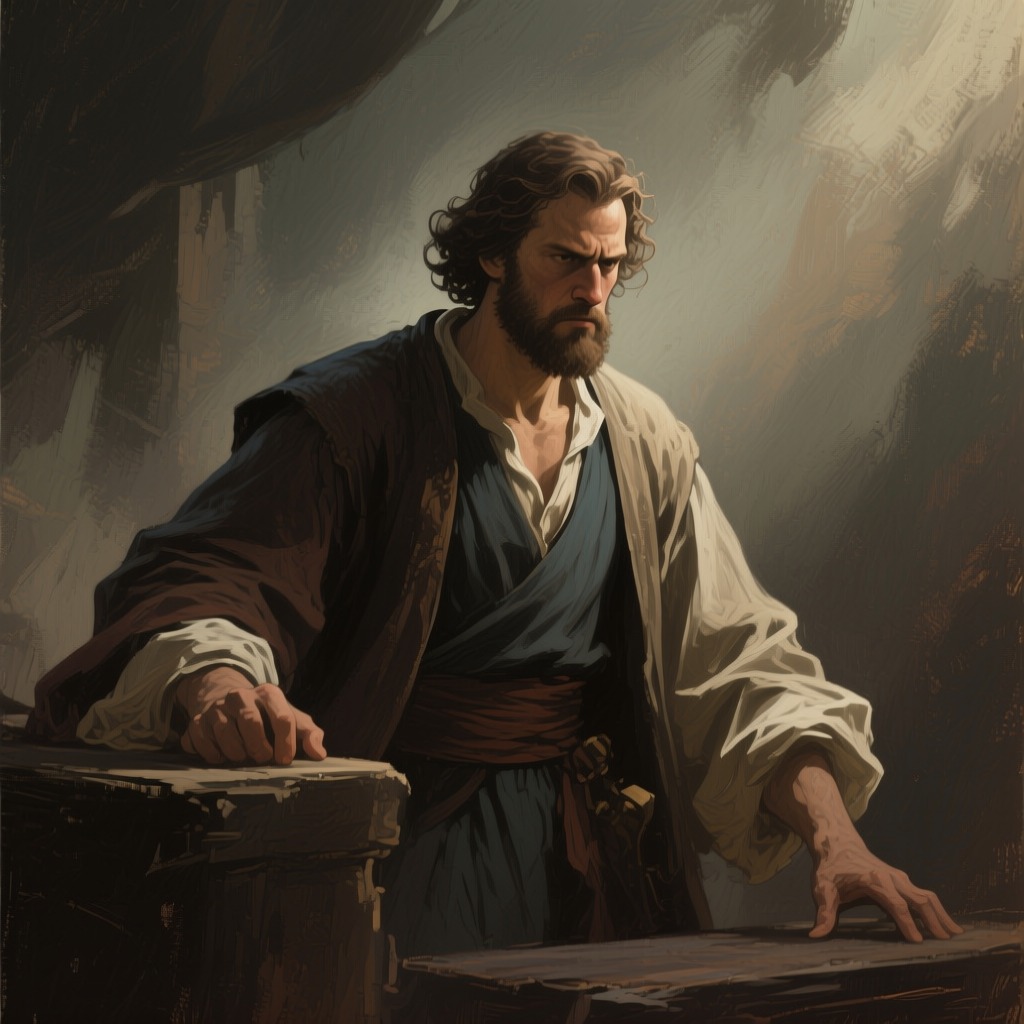
The Siege and Negotiation
The external events of the hostage crisis, including police response and negotiations.
