Al Lathrop
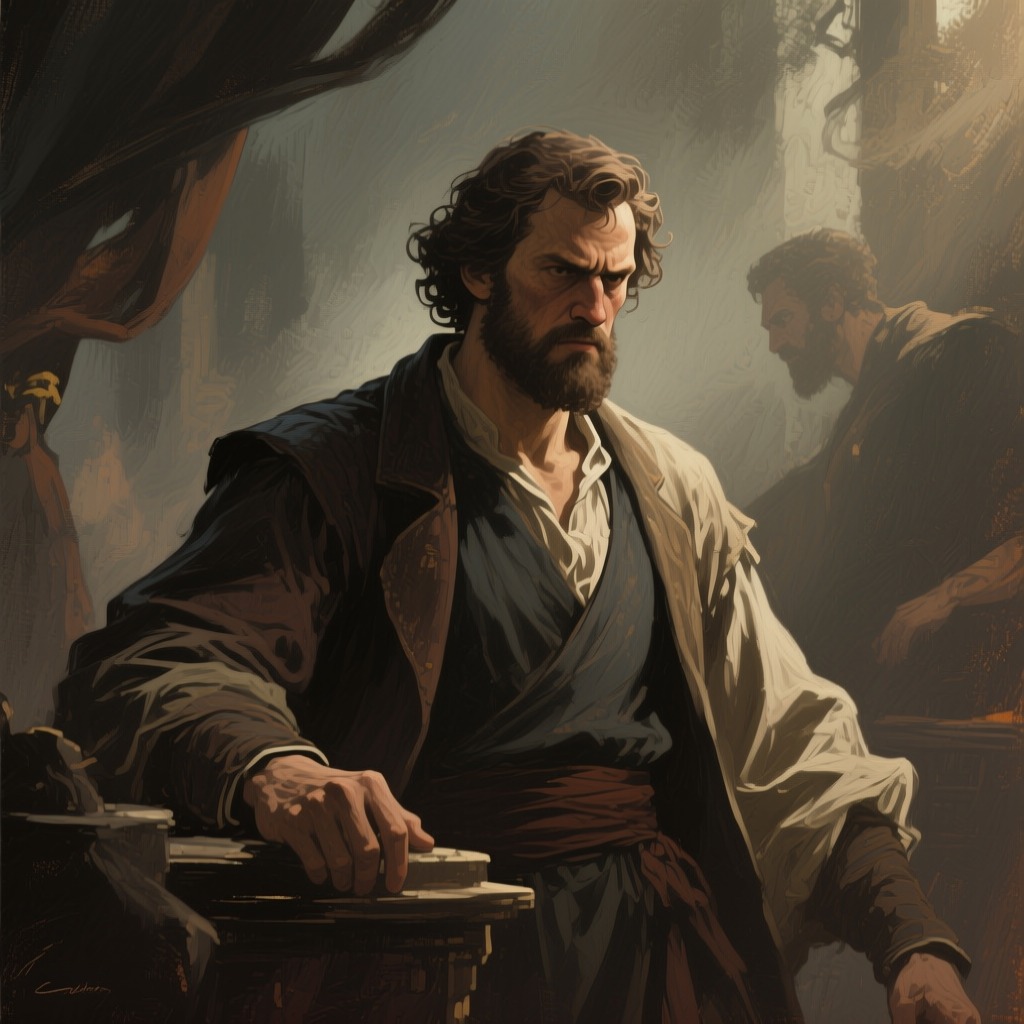
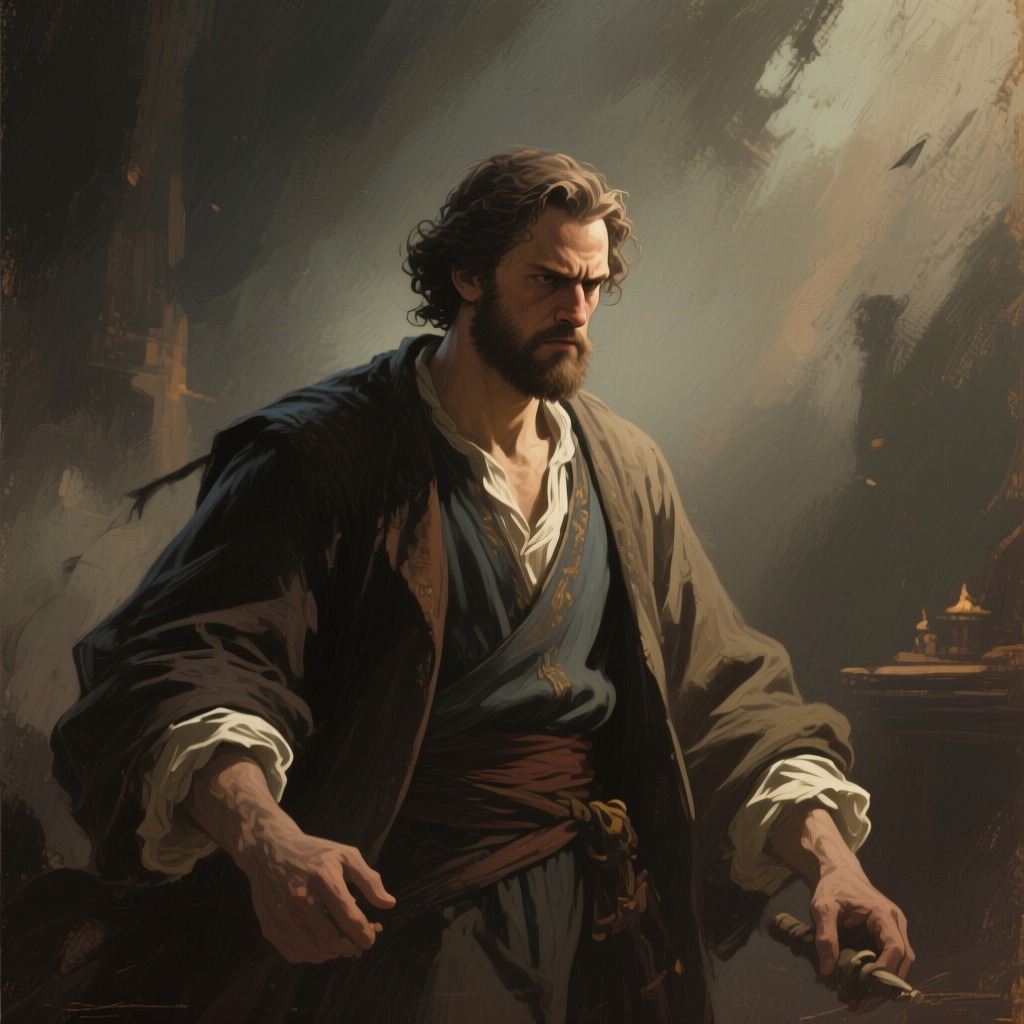
Al Lathrop is a textbook salesman and one of Carl Decker's close friends and hunting companions. He appears only briefly in the present-time narrative of the hostage crisis, sitting in the outer office of Placerville High School's administration while Charlie Decker waits to see Principal Thomas Denver, but his presence triggers a cascade of memory that reveals the violent, misogynistic, and emotionally stunted male culture Charlie grew up surrounded by. Lathrop is not a major actor in the plot, but he functions as a living emblem of everything Charlie is rebelling against: the comfortable, hypocritical, beer-and-bravado world of fathers who "keep it tight and keep it right" while their sons disintegrate.
Identity and Role
Al Lathrop is introduced as "one of my father's good friends" . He is a textbook salesman, visiting Placerville High School to sell books, and he carries a briefcase and sample textbooks. Charlie notes that he has never seen Lathrop in a suit before, marking him as a man who has dressed up for his professional role. Lathrop is also a regular participant in the annual hunting trips Carl Decker organizes with his friends, trips that Charlie describes as part of his father's "never-ending campaign to Make a Man Out of My Son" . Lathrop is thus positioned as a member of the adult male peer group that Charlie both fears and despises.
The Hunting Trip Memory
Charlie's most vivid memory involving Al Lathrop comes from a hunting trip when Charlie was nine years old. Waking up in a tent in the Allagash wilderness, cold and needing to urinate, Charlie overhears the men drinking and talking around the campfire. Lathrop is the most vocal and the most drunk. He makes a crude joke about Carl Decker's wife, saying, "I just turn off the lights and pretend I'm with Carl Decker's wife" . The men roar with laughter. Later, when Carl Decker brandishes his hunting knife and declares he would "cut off his accessories" if he caught a man with his wife, Lathrop presses the point: "Wha' about the woman in the case, Carl? ... What do you do about a woman who less-lets-someone in the back door? Huh?" . Carl Decker responds with the story of the Cherokee Nose Job, describing how Cherokees would slit a woman's nose so "everyone in the tribe could see what part of them got them in trouble" . Lathrop then adds his own violent fantasy: "I wun't slit her nose. I'd blow her goddamn cheatin' head off" . This conversation, overheard by a terrified nine-year-old Charlie, becomes a foundational trauma, linking male bonding, alcohol, sexual threat, and casual violence in an inseparable knot.
The Office Encounter
In the present-time narrative, Lathrop is sitting in the principal's outer office when Charlie arrives. He is visibly uncomfortable, knowing about Charlie's recent assault on Mr. Carlson. Charlie immediately recognizes Lathrop's nervousness and begins to taunt him, asking about his sales trip and "really crushing the competition" . Lathrop jumps at Charlie's words, and Charlie notes that "he knew all about me" . Charlie briefly feels a flicker of pity for Lathrop, seeing him as "just forty-baldish and trying to make a buck" , but the feeling passes. When Charlie emerges from his explosive confrontation with Denver, having unbuttoned his shirt and unzipped his fly to mock the principal, Lathrop is conferring with Miss Marble, and both look up and wince. Charlie's final words to Lathrop are a sardonic "Sell those textbooks, Al" , to which Lathrop gives a "quick, nervous, insincere smile" .
Thematic Significance
Al Lathrop is a minor character, but he serves a crucial thematic function. He is a representative of the adult male world that Charlie has been raised to join but has come to reject. Lathrop's easy participation in the hunting-camp conversation about violence against women, his professional role as a salesman of educational materials that Charlie later burns in his locker, and his nervous discomfort in the face of Charlie's breakdown all mark him as a figure of the compromised, hypocritical, and emotionally bankrupt adulthood that Charlie sees as a trap. Charlie's final, unspoken thought about Lathrop—that he could have grabbed him by the windpipe and screamed about Greenmantle—reveals the depth of Charlie's rage not at Lathrop personally, but at the entire system of masculine performance and social complicity that Lathrop embodies.