Hatchet
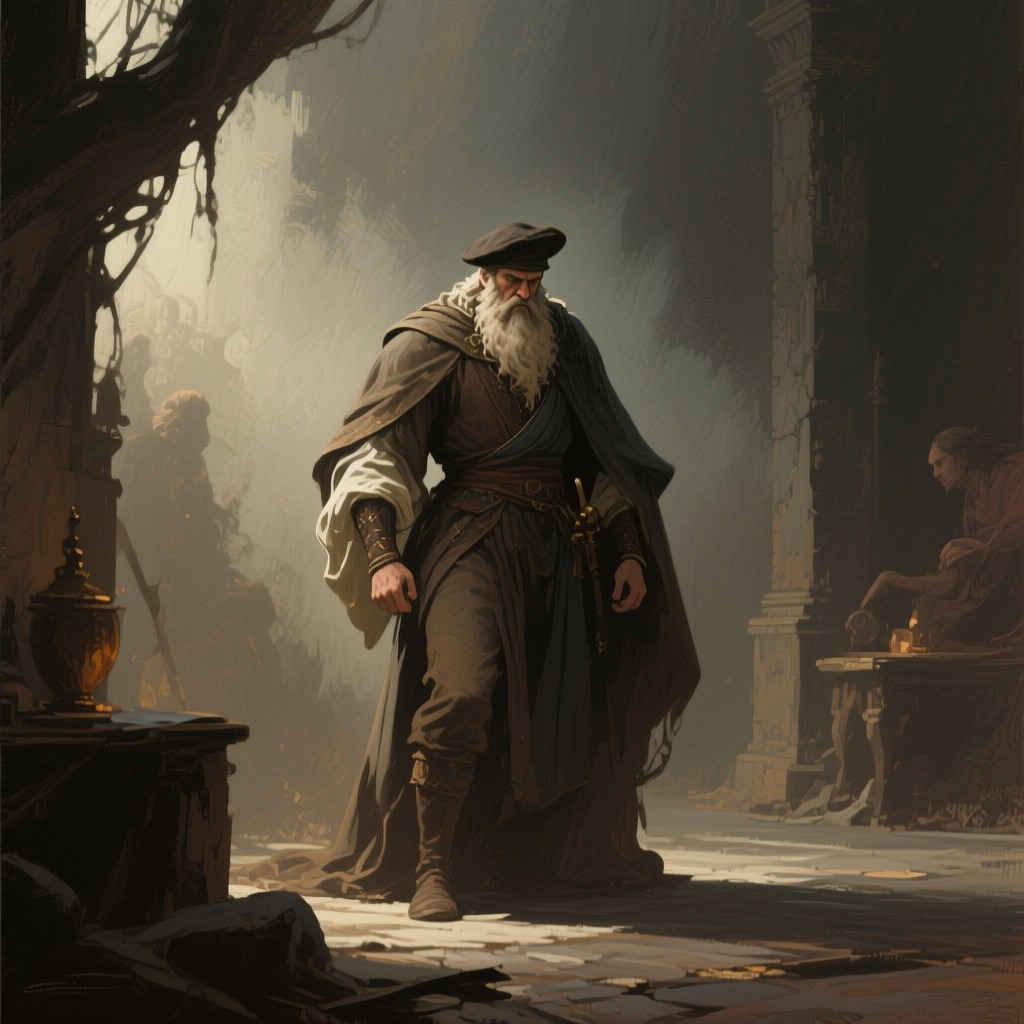
The hatchet hangs on the wall of the Decker family garage, a tool among tools in a space Carl Decker keeps "shipshape"—a place for everything and everything in its place. It is not a weapon of premeditation but an object of last resort, pulled from its hook in the heat of a confrontation that had been building for thirteen years.
The Standoff in the Garage
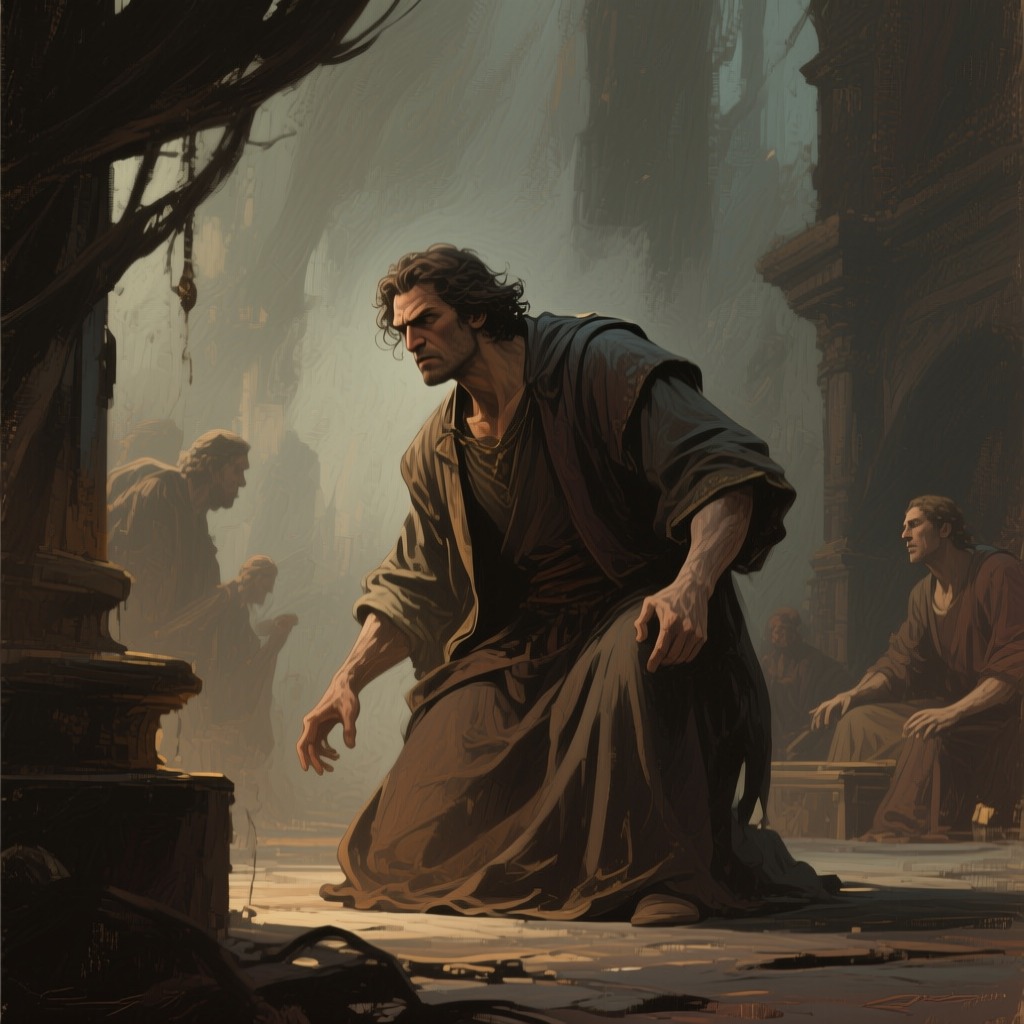
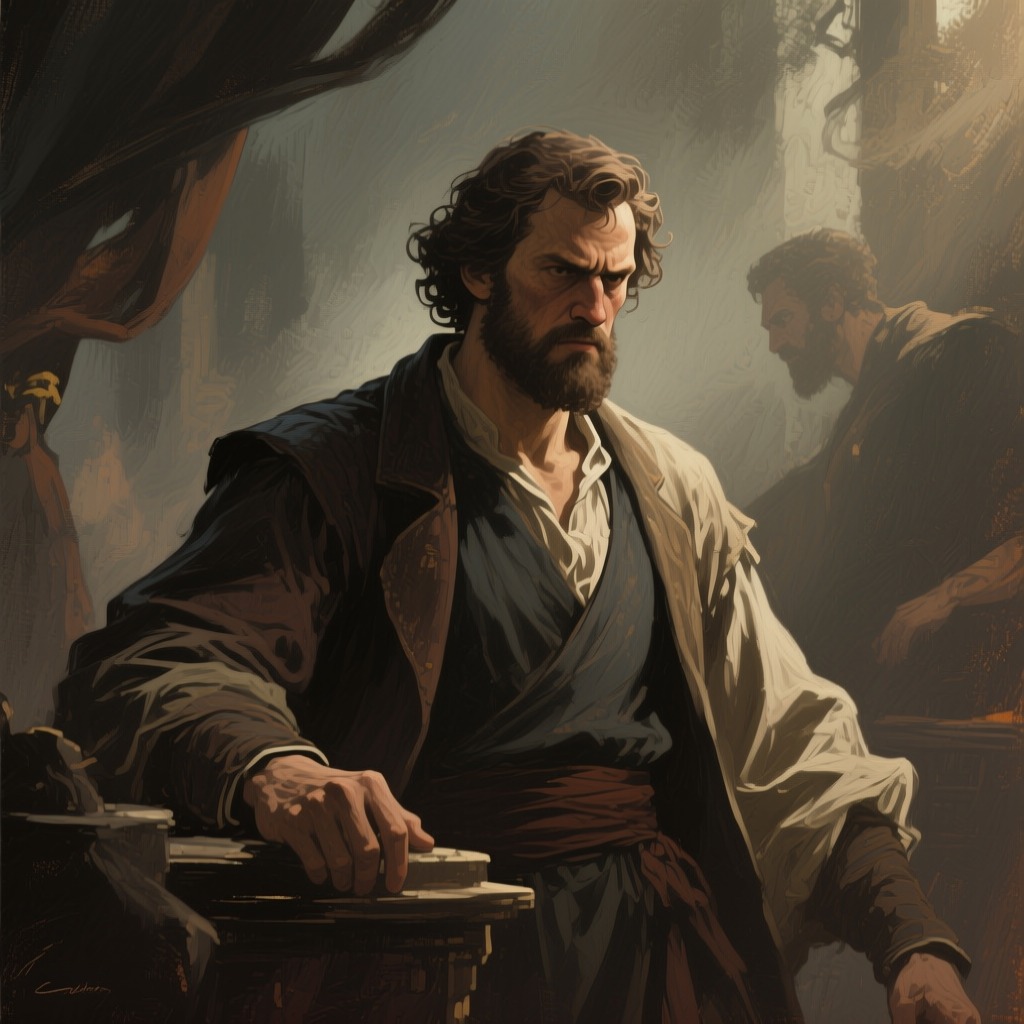
After Charles Decker is suspended for nearly killing Mr. Carlson with a pipe wrench, his father summons him to the garage. Carl Decker begins to take off his belt, announcing, "I'm going to take the hide off you." Charles refuses, warning that he will take the belt away and listing old grievances: being thrown to the ground as a child, being struck without a second chance, and the hunting trip where his father spoke of slitting his mother's nose. Carl Decker, enraged, swings the belt, cutting Charles's cheek open. Charles grabs the belt, pulls his father off balance, and strikes him with it. Carl then pulls a hardhead rake off the wall. In response, Charles reaches out and pulls the hatchet off the wall, holding it up with one hand. "That's how I want it," he says. "Take one step, and I'll cut your head off, if I can."
The Unspoken Truce
For a long moment, father and son stand facing each other, each holding a tool turned weapon, trying to determine if the other means it. Then Carl Decker puts the rake back, and Charles Decker puts the hatchet back. No words of reconciliation are exchanged—no apology, no explanation. Charles later reflects that there was "no love in it, no love in the way we looked at each other." The hatchet, like the belt and the rake, is returned to its place, but the relationship is permanently broken. Carl Decker never tries to discipline his son again; they live in the same house but walk in wide circles around each other.
Narrative and Thematic Significance
The hatchet episode is the climax of Charles Decker's long struggle against his father's authority and violence. It marks the moment the son physically and symbolically refuses to be a victim anymore, meeting threat with equal threat. Yet the standoff changes nothing fundamental—Charles later reflects that "the man I really wanted to hurt was safely out of my reach, standing behind a shield of years." The hatchet, like the pipe wrench and the pistol that follow, is another "stick" in Charles's growing arsenal, but its use only deepens the isolation that leads to the final violence in Room 16. The object thus embodies the tragic logic of the novel: violence begets violence, and the tools of the garage become the instruments of a family's destruction.