Decker Garage
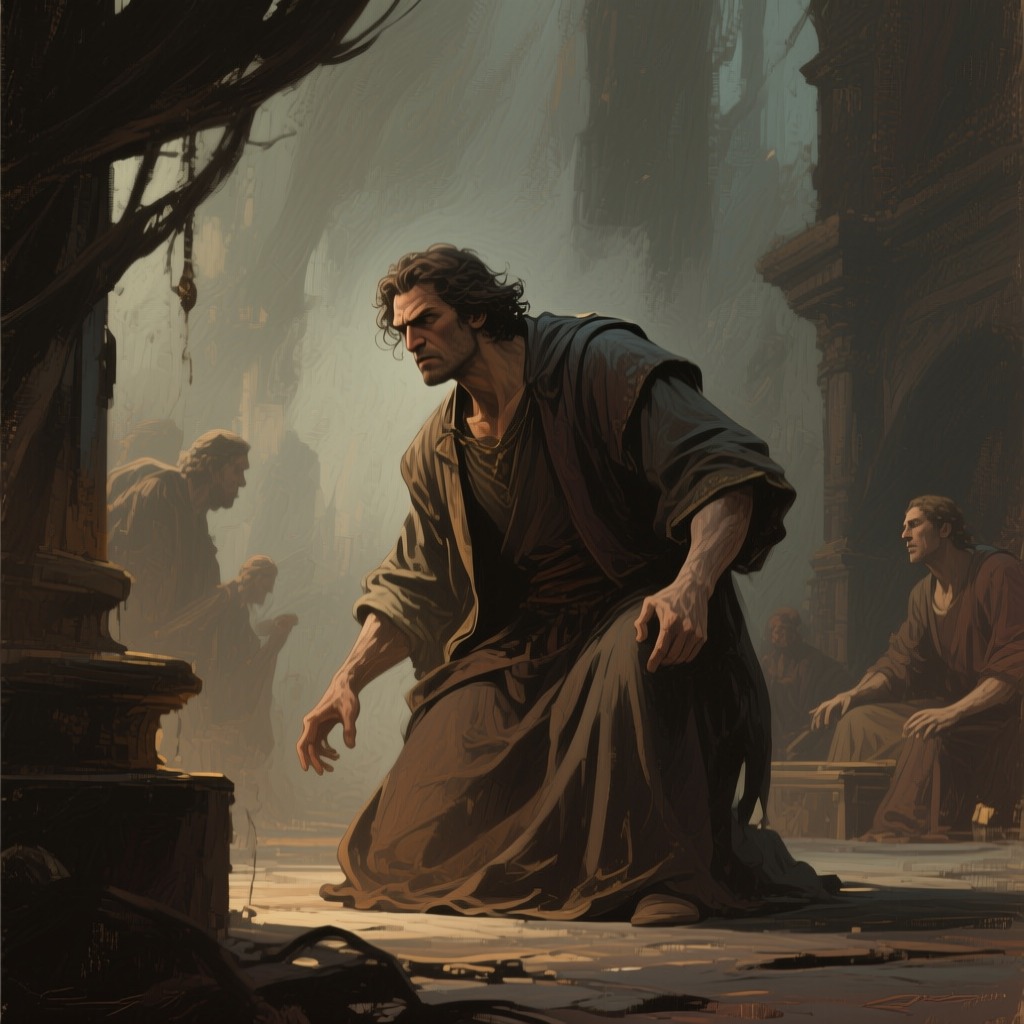
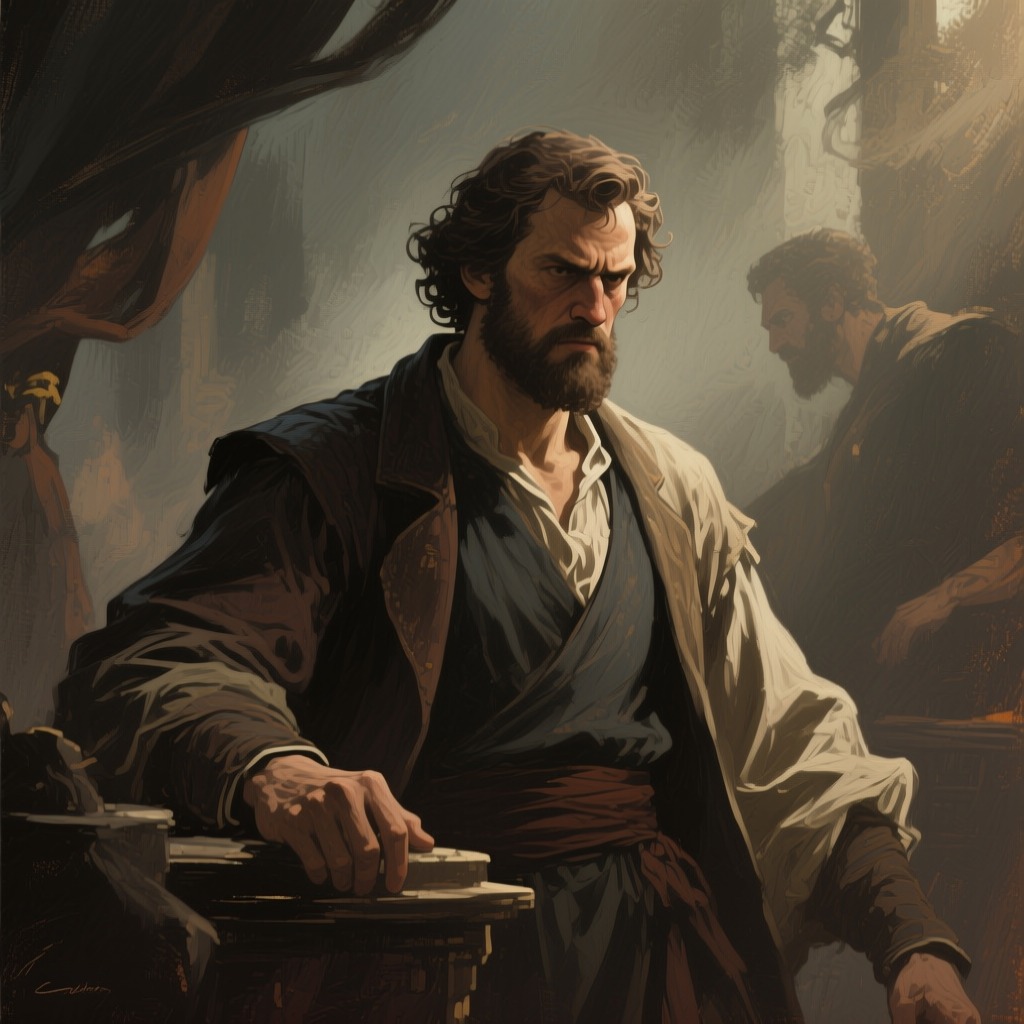
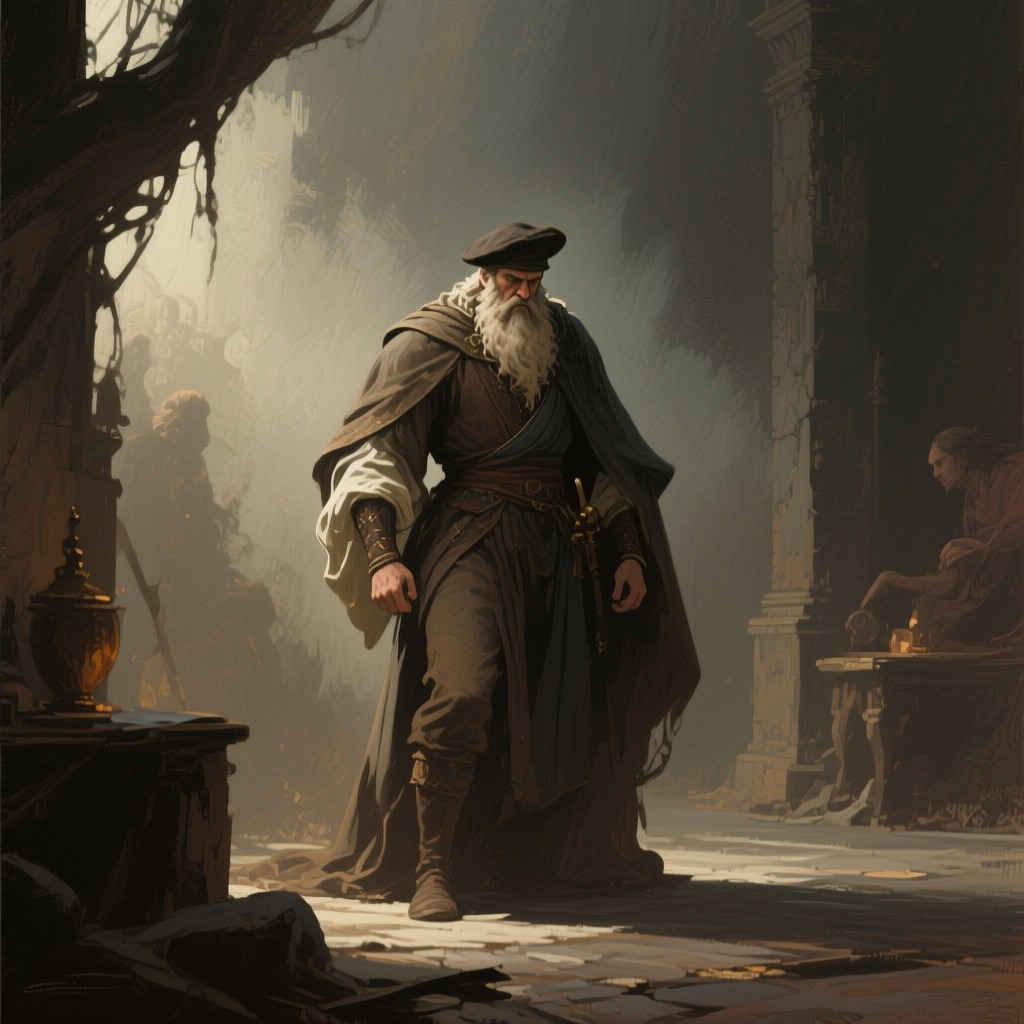
The Decker Garage is the stage for the most direct and violent confrontation between Charles Decker and his father, Carl Decker, a clash that lays bare the brutal inheritance of violence and the failure of patriarchal authority. More than a mere storage space, the garage is a meticulously ordered temple to Carl's personal creed of "Keep It Tight and Keep It Right," a place where every tool has its place and every surface is shipshape. It is within this controlled environment that the accumulated rage of a lifetime—from the childhood memory of his father's hunting knife and the threat of the "Cherokee Nose Job" to the recent assault on Mr. Carlson—finally explodes into a physical struggle that leaves both father and son changed, yet fundamentally unresolved.
Setting and Symbolism
The garage is described as a "musty, oil-smelling place, but completely trim. Shipshape." It is Carl Decker's domain, kept with a precision that mirrors his worldview: the riding lawnmower placed neatly against the wall, gardening tools hung on nails, jars of nails screwed into jar tops nailed to the roof beams, and stacks of old magazines tied with twine. This obsessive orderliness stands in stark contrast to the chaos of Charles's inner life and the violence that is about to unfold. The space is also a repository of potent symbols: the Country Squire wagon, whose hood will be scarred by a belt buckle; the hardhead rake pulled from the wall as a weapon; and the hatchet that Charles seizes in response. The garage is not just a setting but an active participant in the conflict, its tools and layout shaping the choreography of the fight.
The Confrontation
Following Charles's suspension for nearly killing Mr. Carlson with a pipe wrench, Carl summons him to the garage. Charles, having changed into jeans and a chambray workshirt, arrives knowing they "owed each other something." Carl, looking older and softer than Charles remembers, begins to take off his belt, announcing his intention to "take the hide off" his son. Charles refuses to submit, listing his grievances: being thrown to the ground as a child for breaking storm windows, being beaten for mistakes, and the memory of the hunting trip where Carl spoke of slitting his wife's nose. Carl attacks with the belt, the buckle ripping open Charles's cheek. Charles grabs the belt, pulls his father off balance, and trips him to the oil-stained concrete floor. He then takes the belt and strikes his father across the backside. The fight escalates as Carl grabs a hardhead rake, and Charles responds by pulling a hatchet from the wall, holding it up and declaring, "Take one step, and I'll cut your head off, if I can."
Aftermath and Significance
The standoff ends not with a resolution but with a mutual, silent retreat. Carl puts the rake back, and Charles returns the hatchet. "There was no love in it," Charles reflects, "no love in the way we looked at each other." Carl drives Charles to the emergency room in Brunswick, where six stitches close the wound on his cheek, and they lie to Charles's mother about the cause. The fight marks a definitive shift in their relationship: Carl never again tries to tell Charles what to do, and they live in the same house "walking in wide circles around each other, like a pair of old toms." The garage, once a symbol of Carl's control, becomes the site where that control is broken, but the victory is hollow. Charles realizes that the man he truly wanted to hurt was "safely out of my reach, standing behind a shield of years." The confrontation in the garage is a pivotal moment of peripeteia, a reversal where the son defeats the father, yet it only deepens the cycle of violence, leading directly to Charles's decision to arm himself with his father's pistol and carry it to school, setting the stage for the hostage crisis.