deer
The deer is a charged, recurring presence in Stephen King's Rage (published under the pseudonym Richard Bachman), serving as a multifaceted symbol of violence, masculinity, and the toxic inheritance between fathers and sons. It appears in three distinct forms: as a living animal hunted and killed, as a mounted trophy in a private study, and as a metaphor within the protagonist's fractured psyche. Each appearance deepens the novel's exploration of how patriarchal brutality is witnessed, internalized, and ultimately replicated.
The Hunting Trip: Witnessing Violence
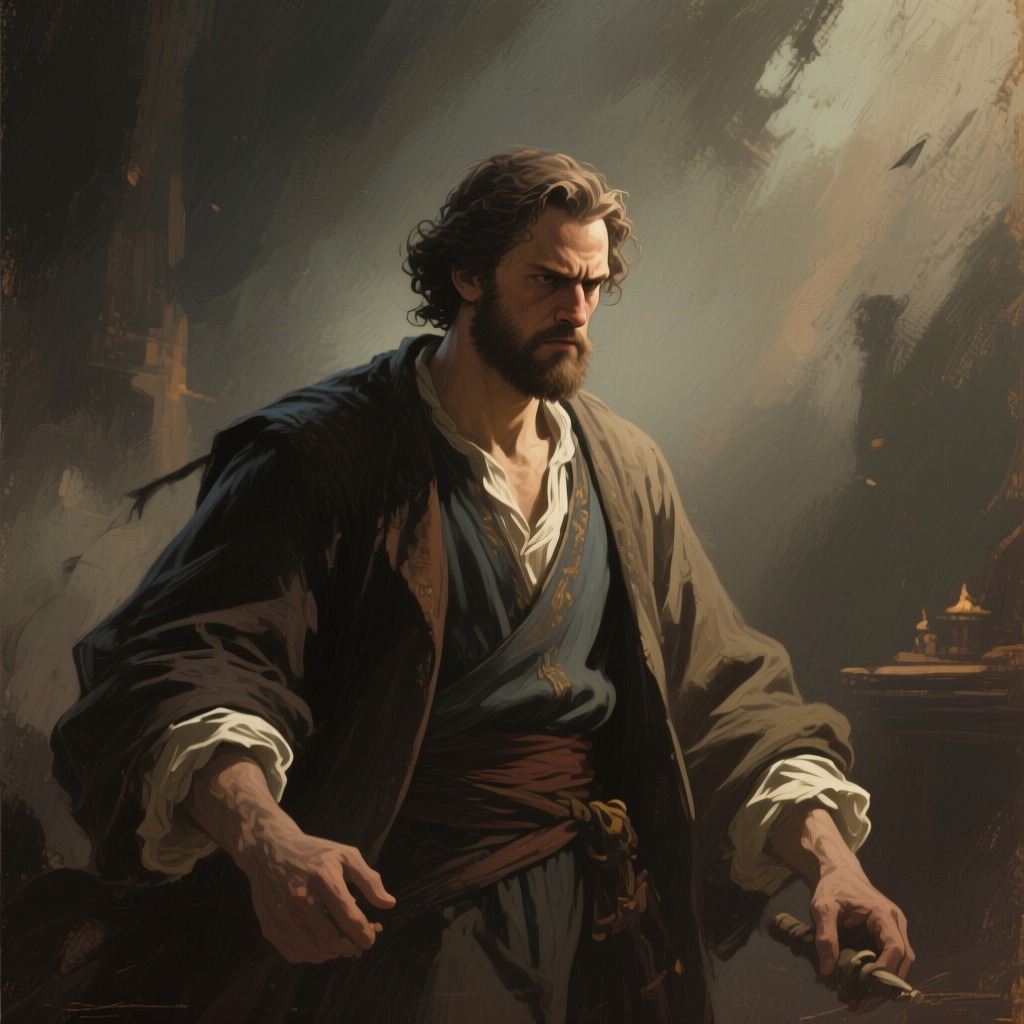
The deer's most significant appearance occurs during a hunting trip in the Allagash wilderness when Charlie Decker is nine years old. On the last day of the trip, his father Carl shoots a buck "perfectly, in the bunch of muscle between neck and shoulder, and the buck went down in a heap, all grace gone" . Charlie is forced to watch as his father "planted a foot on either side of the buck and pulled one of its legs back and shoved the knife in. One quick upward rip, and its guts spilled out on the forest floor" . The visceral detail—the green and steaming intestines spilling onto a carpet of needles and moss—overwhelms Charlie, who turns and vomits his breakfast. When he looks back, he sees "contempt and disappointment" in his father's eyes, a silent judgment that Charlie reads as a verdict on his own manhood. This moment, which Charlie later calls "the first and last time I ever went hunting with my dad" , becomes a foundational trauma, linking the killing of the deer to his father's earlier drunken talk about slitting his mother's nose with the same knife (E00070-E00075). The deer's death is not merely a hunting story; it is the stage on which Carl Decker performs a brutal, ritualistic masculinity that Charlie is expected to emulate and fails to embody.
The Mounted Head: A Silent Accuser
The deer returns as a mounted head in Carl Decker's study, its "glassy too-alive eyes" staring down at Charlie as he steals the pistol and shells from his father's desk drawer . This trophy is not the buck Carl killed on the hunting trip—Charlie notes that distinction—but it serves the same symbolic function: a monument to the father's violent competence and the son's inadequacy. The deer head watches, unblinking, as Charlie arms himself for the school shooting that will define his own violent break from the world. The trophy's presence in the study, a room that also contains the pistol and the box of shells, creates a direct line between the hunting trip's lesson in violence and the violence Charlie will soon commit. The deer head is a silent, judgmental witness, a reminder that the father's world is one where killing is a measure of worth, and where the son has always fallen short.
The Deer as Metaphor: Being Hunted and Broken
Beyond its literal appearances, the deer becomes a metaphor for Charlie's own psychological state. In the aftermath of the hostage crisis, when Charlie reflects on his father's hatred and his own sense of being ground down, he thinks of the deer's death—"all grace gone"—as a description of his own collapse. The deer's gutting, with its "green and steaming intestines" , prefigures the violence Charlie will later inflict on Mrs. Underwood and Mr. Vance, as if he has internalized the lesson that bodies are things to be opened and emptied. The metaphor extends to Charlie's relationship with his father: in the garage confrontation, when Carl Decker picks up a hardhead rake and Charlie responds by taking a hatchet off the wall (E01513-E01515), the standoff echoes the hunting trip's dynamic of predator and prey, but with the roles reversed. Charlie, once the frightened boy who vomited at the sight of blood, now threatens to "cut your head off, if I can" . The deer, in this reading, is not just a victim but a template: the son who was once the deer has learned to become the hunter, even if the target is his own father.
The Deer and the Cycle of Violence
The deer's final symbolic resonance lies in its connection to the novel's broader critique of inherited violence. Charlie's father, Carl Decker, is a man who "made a career of the Navy" and who reads Richard Stark novels about a thief named Parker . His world is one of discipline, control, and the performance of toughness. The deer, as a hunted animal, represents the natural world that Carl and his friends dominate and destroy—a world where "the Cherokees used to slit their noses" as punishment for adultery , and where a man's worth is measured by his ability to kill and gut a buck. Charlie, who cannot stomach the sight of the deer's entrails, is marked as a failure in this world. But the novel suggests that this failure is not a weakness but a refusal to participate in a cycle of violence that leads, inexorably, to the school shooting. The deer, in its death, becomes a symbol of everything Charlie is supposed to become and everything he cannot bear to be. It is the animal that dies so that the father can prove his manhood, and it is the animal whose death haunts the son into his own violent rebellion.