Carl Decker
Carl Decker, the father of Charles Decker, is a retired Navy recruiter whose rigid, authoritarian worldview and explosive temper form the bedrock of his son's psychological unraveling. A man who lives by the motto "Keep It Tight and Keep It Right," he views life as a precious antique car that must be kept immaculate, and his son as "the birdshit on his windshield." His presence looms over Charlie's narrative as the original source of the violence, shame, and emotional starvation that eventually erupt in the hostage crisis at Placerville High School.
Identity and Background
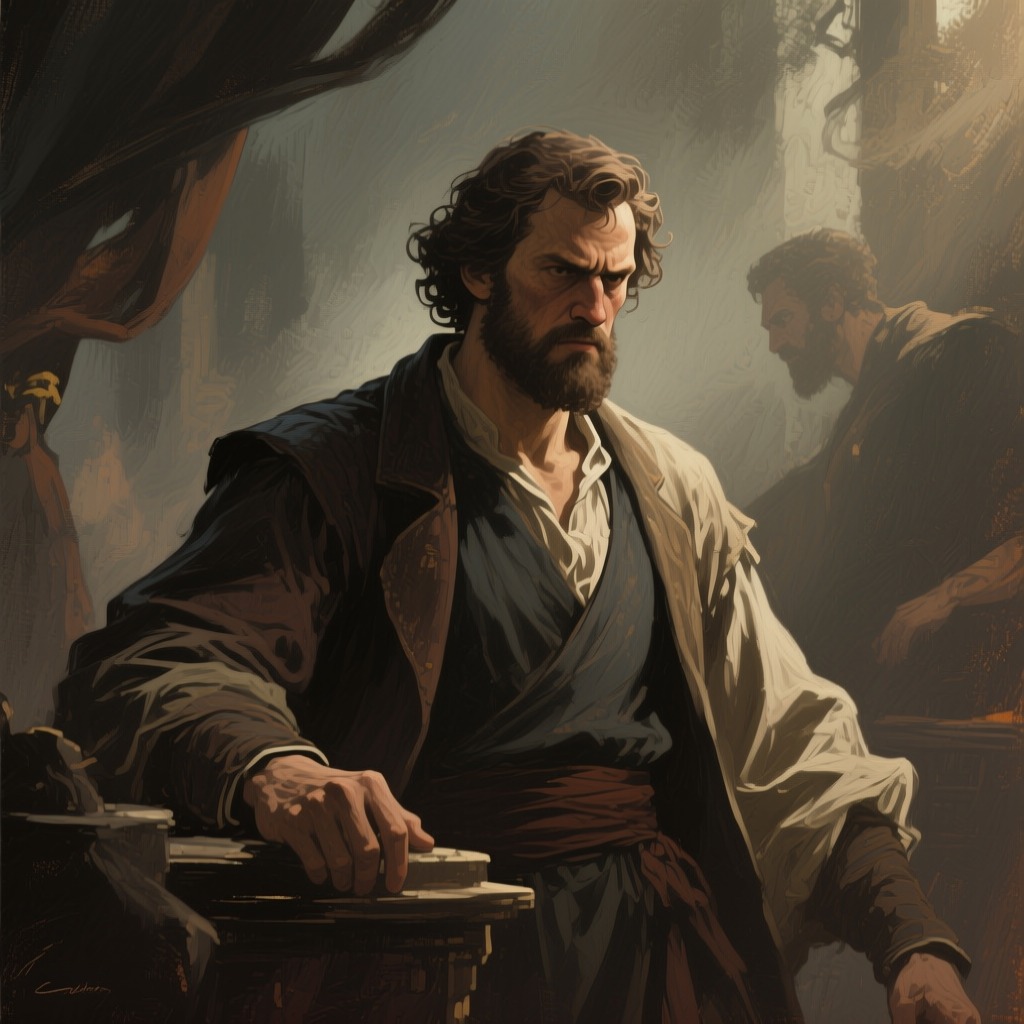
Carl Decker is a big, quiet man with sandy hair, a complexion that burns easily, and a face with a vague, simian touch. He made a career in the Navy, ending up as a recruiter, and is the all-American type who loves the Detroit Tigers and the Detroit Redwings, wearing a black armband the day Vince Lombardi died. He reads Richard Stark's Parker novels and despises Donald Westlake's comic mysteries. His wife, Rita Decker, is an intellectual who reads The Manchester Guardian and The New York Review of Books, and the cultural chasm between them is vast. Carl calls Charlie a "mamma's boy," and the boy is indeed more his mother's child, a fact both mother and son know and that Carl resents. His work as a recruiter is a source of constant frustration: he inducts high-school Romeos leaving pregnant Juliets, scared bookkeepers trying to avoid Vietnam, and slack-jawed dropouts, and he comes home to a son who embodies the worst characteristics of all of them. He hates Charlie not just for existing, but because he is unequal to the challenge of shaping him.
Violence and the Hunting Trip
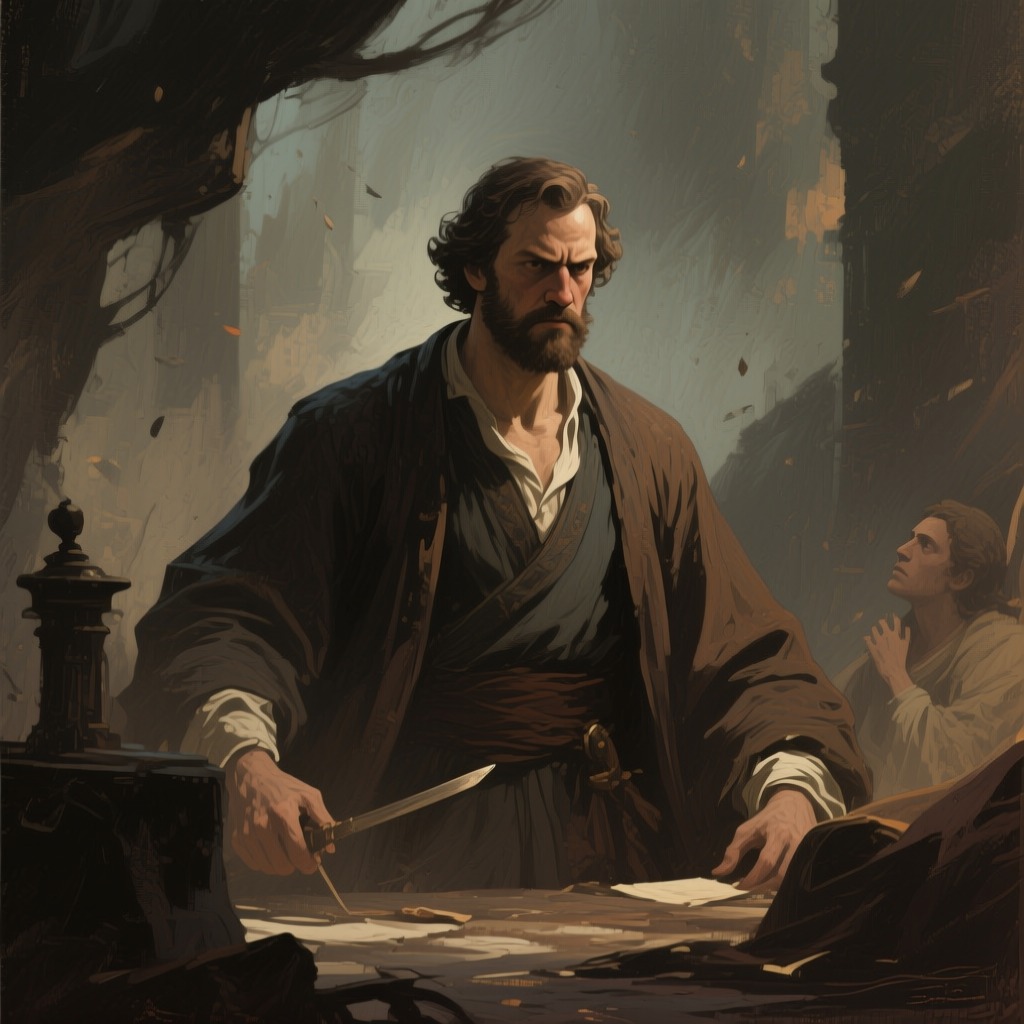
The most formative trauma Carl inflicts on his son occurs during a hunting trip in the Allagash when Charlie is nine years old. Waking in the night, Charlie overhears his father and his friends—Al Lathrop, Scotty Norwiss, Randy Earl, and guide Hubie Levesque—drinking and talking around the campfire. Their conversation turns to marital infidelity, and Carl, drunk, produces his hunting knife. He declares that if he caught a man with his wife, he would "whip him over on his back and cut off his accessories." When Al Lathrop asks what he would do to the woman, Carl replies that the Cherokees used to "slit their noses" so everyone in the tribe could see "what part of them got them in trouble." The shadow of the knife, cast on the tent canvas, turns into a spear, and the men's elongated shadows look to the terrified boy like "a bunch of talking praying mantises." Three days later, Carl kills a buck, gutting it with the same knife while Charlie watches, then vomits. Carl's look of contempt and disappointment is the last meaningful communication between them on that trip; it is the first and last time Charlie ever goes hunting with his father.
The Storm Windows Incident
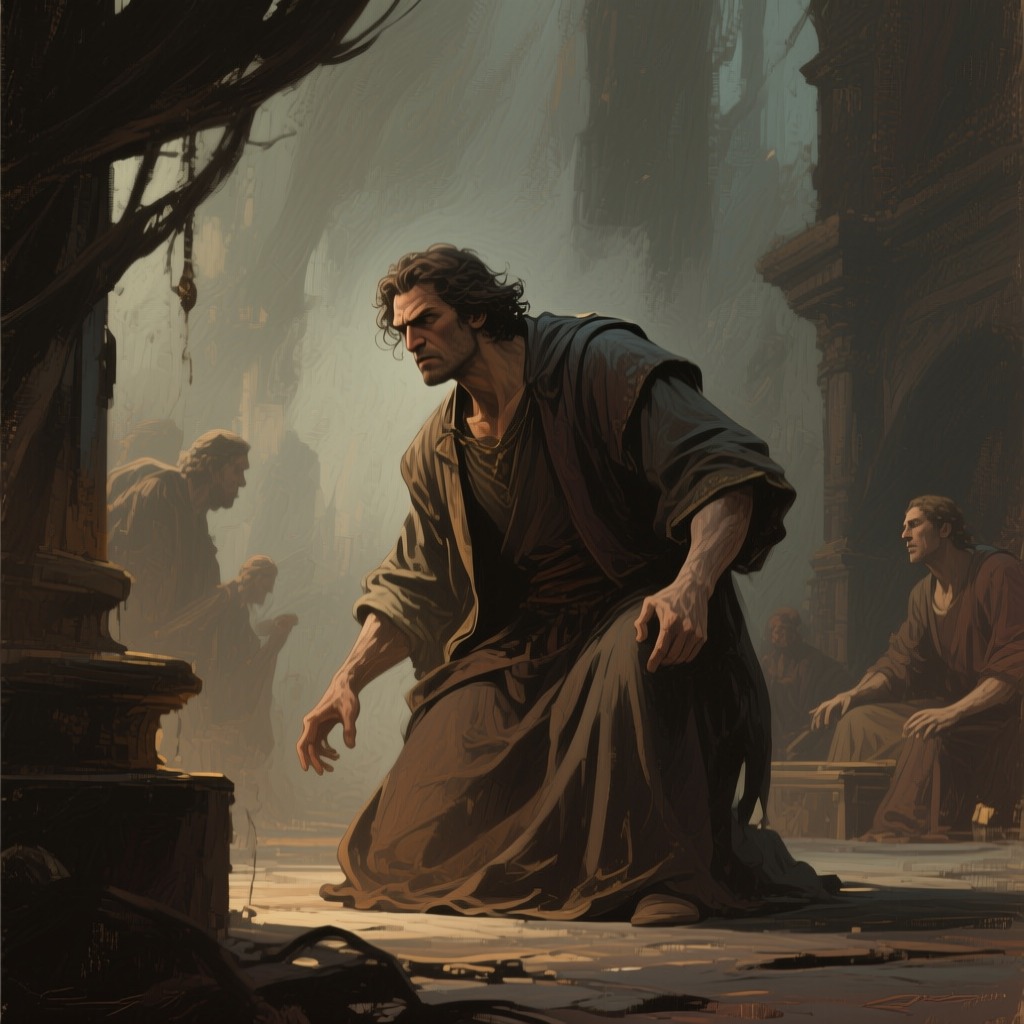
When Charlie is four years old, he takes it into his head to throw rocks at the storm windows his father is preparing to install. Carl has lined them up against the house with step-by-step precision, and Charlie, sitting on the porch playing Quiet while his mother plays Bach inside, suddenly finds the idea of breaking them irresistible. He goes around the house smashing every window, one by one. When Carl discovers him, he picks the boy up by the ankles and one arm and throws him to the ground as hard as he can. Charlie lies there unable to breathe, with paralyzing pain in his chest and crotch. Carl kneels over him, momentarily dismayed, calling him "Chuck" and asking if he is okay, but when Charlie begins to scream, anger replaces dismay. He jerks the boy to his feet and tells him to "be a man." When Rita rushes out, Carl lies, claiming Charlie started crying when he saw him coming. The incident ends with Rita banishing Carl from her sight, and Charlie, watching his father stomp away "like a surly little boy," begins to dare to hate him back.
The Garage Confrontation
The final, decisive confrontation occurs after Charlie is suspended for attacking Mr. Carlson with a pipe wrench. Carl summons him to the garage, a musty, oil-smelling place he keeps shipshape, and begins to take off his belt, saying, "I'm going to take the hide off you." Charlie, now seventeen, refuses to submit. He tells his father he will take the belt away from him, citing the time he was thrown on the ground, every unjust beating, and the hunting trip where Carl spoke of slitting his mother's nose. Carl calls him a "gutless, spineless wonder" and swings the belt, the buckle end scoring the hood of his Country Squire wagon. The buckle catches Charlie's cheek, ripping it open in a long furrow. Charlie grabs the belt, pulls his father off balance, and trips him to the concrete floor. He takes the belt and strikes Carl across the backside with it. When Carl lunges again, Charlie hits him across the face with the belt and then punches him in the stomach. Carl, pale and sick, pulls a hardhead rake off the wall. Charlie reaches beside him and takes down the hatchet. They stand facing each other, each trying to decide if they mean it. Carl puts the rake back; Charlie puts the hatchet back. There is no reconciliation, no apology. Carl drives Charlie to the emergency room, where Charlie lies about tripping over stove wood, and they never discuss the fight again. From that point on, they live in the same house but walk in wide circles around each other, like a pair of old toms.
Narrative Role and Thematic Significance
Carl Decker functions as the embodiment of a toxic, repressive masculinity that Charlie both inherits and ultimately tries to destroy. His violence is not merely physical but psychological: the "Creaking Thing" Charlie remembers from earliest childhood—the sound of his father approaching his mother's bed at night—becomes a symbol of primal dread. Carl's hunting knife, his belt, his contempt for weakness, and his belief that discipline means breaking the will of the child all become the tools Charlie turns against himself and others. In the end, Charlie's final act of rebellion is to refuse to be ground down, but the cost is his sanity and his freedom. Carl Decker is the original wound, the source of the rage that, when combined with a gun and a classroom full of hostages, becomes a national news story.