Allagash Hunting Camp
The Allagash Hunting Camp is the remote wilderness campsite in northern Maine where a nine-year-old Charlie Decker overhears his father and his father's friends making violent, misogynistic threats while drunk around a campfire, an event that becomes a foundational trauma in Charlie's psychological development and a recurring memory throughout his hostage crisis.
Location and Setting
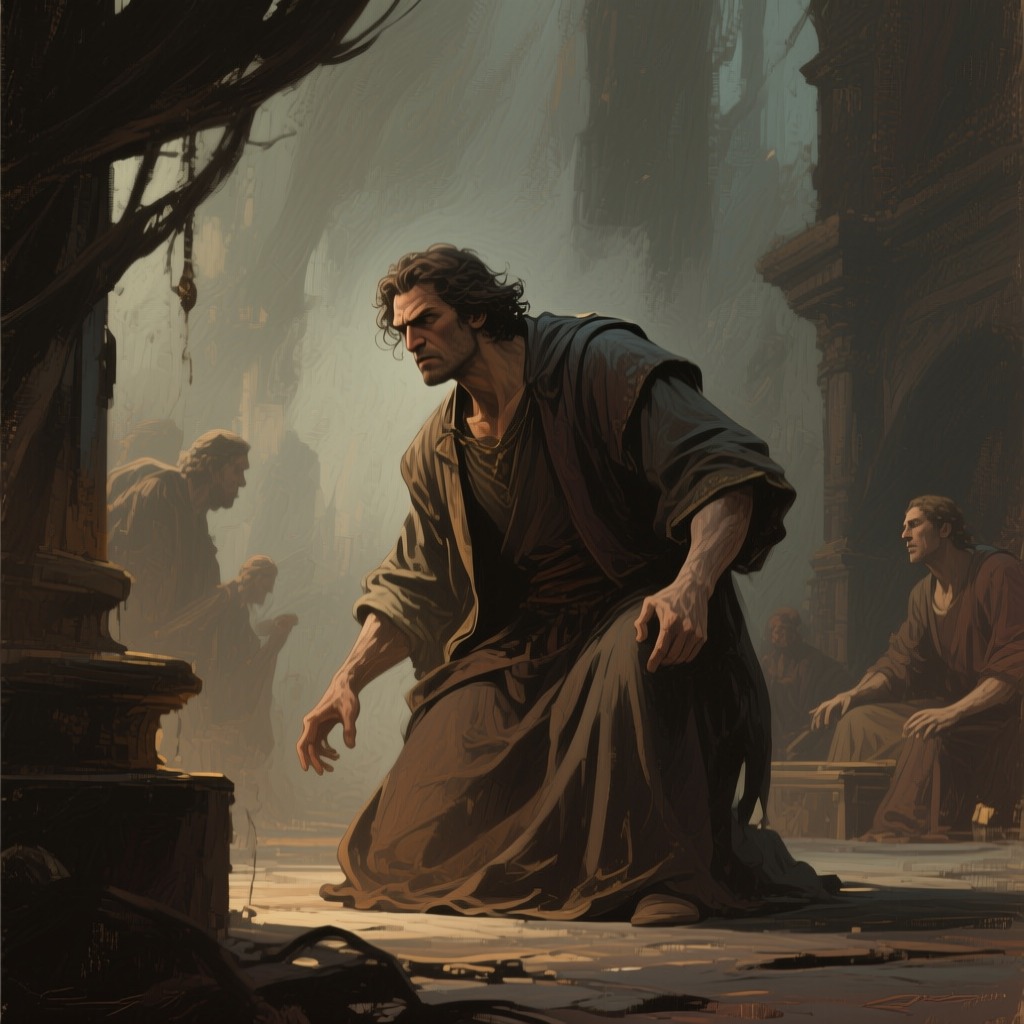
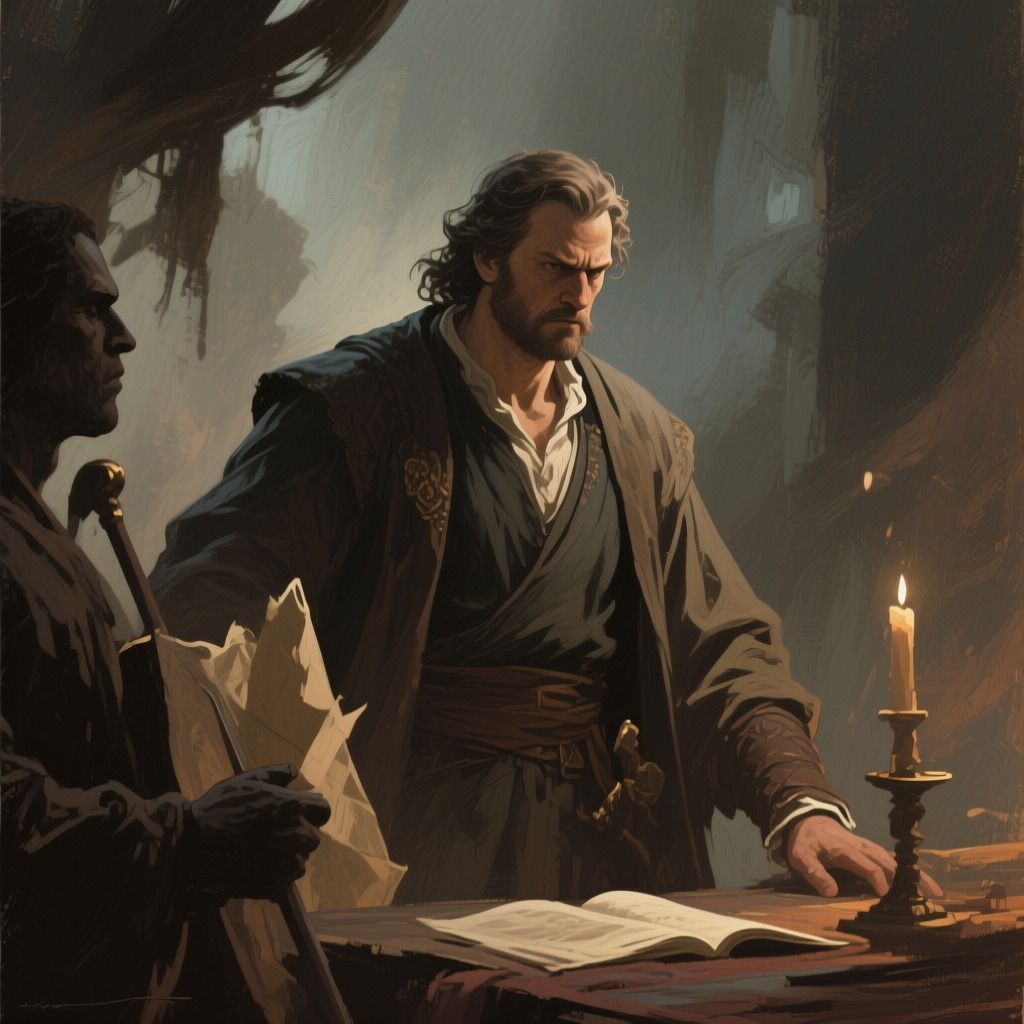
The Allagash Hunting Camp is a tent camp located in the Allagash region of northern Maine, approximately seventy miles from the nearest town. Charlie Decker is taken there on a hunting trip with his father, Carl Decker, and several of his father's friends: Al Lathrop, Scotty Norwiss, Randy Earl, and the guide Hubie Levesque. The camp consists of a tent with a canvas wall, a campfire, and surrounding woods. The October air is cold, and the firelight casts elongated, alien-looking shadows of the men onto the tent canvas, which Charlie observes from inside his sleeping bag. The camp is a place of masculine ritual—drinking, hunting, and crude camaraderie—but for Charlie, it becomes a site of terror and betrayal.
The Night of the Campfire Conversation
On the night in question, Charlie wakes from a nightmare and finds he urgently needs to urinate. He discovers he can see the men's shadows on the tent wall, cast by the campfire, and watches as a bottle is passed from hand to hand. The men are drunk. Al Lathrop makes a crude joke about pretending to be with Carl Decker's wife, and the conversation turns to what Carl would do if he caught someone with his wife. Carl Decker produces his hunting knife, which the firelight and the angle of the canvas transform into a spear. He declares he would "cut off his accessories." Hubie Levesque jokes that the man would "pee sitting down to the end of his days." When Al Lathrop asks what would be done to the woman, Carl Decker says, "The Cherokees used to slit their noses. The idea was to put a cunt right up on their faces so everyone in the tribe could see what part of them got them in trouble." Randy Earl adds a crude joke about half the women in Placerville having "a snatch at both ends." Carl Decker then says, very quietly, "Not my wife," and the laughter stops. Al Lathrop says he would "blow her goddamn cheatin' head off." Charlie, terrified, cannot hold his bladder any longer and squirms out of his sleeping bag.
Charlie's Emergence and Aftermath
Charlie emerges from the tent flap, and his father turns toward him, the hunting knife still in his hand. Charlie sees his father with a reddish beard stubble, a hunting cap, and the knife. All conversation stops. Carl Decker asks what Charlie wants, and when Charlie says he needs to urinate, his father tells him to go do it. Charlie goes into a grove and struggles to urinate, his penis shriveled by the cold, the urine finally coming in a "great steaming flood." He returns to the tent and gets back into his sleeping bag. None of the men look at him; they resume talking about the war. Three days later, on the last day of the trip, Carl Decker kills a buck. He guts it with the same knife, spilling its intestines onto the forest floor. Charlie vomits. His father looks at him with "contempt and disappointment." This is the first and last time Charlie ever goes hunting with his father.
Narrative and Thematic Significance
The Allagash Hunting Camp episode functions as a key analepsis within Charlie's first-person narration, a traumatic memory that resurfaces during his confrontation with Principal Denver and again during the hostage crisis. The memory of his father's words about the "Cherokee Nose Job" echoes in Charlie's mind when Denver tells him he is "disturbed." The campfire scene establishes the violent, misogynistic masculinity that Charlie associates with his father and his father's world, and it provides a crucial context for Charlie's own psychological unraveling. The hunting knife, the shadows like praying mantises, and the drunken threats become recurring images in Charlie's psyche, shaping his understanding of power, violence, and sexuality. The camp is not merely a setting but a crucible in which Charlie's deepest fears about his father, his own masculinity, and the nature of adult male society are forged.