
Charlie's Relationship with His Father
RageThe toxic and violent relationship between Charlie Decker and his father, Carl Decker.
increasing Bearing strength in each event
 decreasing
Bearing strength in each eventdecreasingThe Hunting Trip

The Cherokee Nose Job
The Campfire Conversation
Charlie overhears his father and friends discussing violence toward women. His father jokes about cutting off a man's genitals and slitting a woman's nose. Charlie is terrified and disgusted.
The Aftermath
Charlie sees his father gut a deer with the same knife. He vomits, and his father looks at him with contempt. This experience cements Charlie's hatred.
The Long-Term Impact
The hunting trip becomes a symbol of his father's brutality. Charlie never goes hunting with him again.
The Storm Windows Incident

The First Physical Abuse
Breaking the Windows
Charlie breaks the storm windows. His father throws him to the ground, causing pain and fear. Charlie's mother intervenes, and his father is banished.
The Aftermath
Charlie learns that his mother can protect him from his father. He also learns to manipulate the situation to his advantage.
The Emotional Scar
This incident is the first memory of his father's violence. It sets the pattern for their relationship.
The Garage Fight

The Final Confrontation
The Belt and the Hatchet
Carl Decker attempts to beat Charlie with a belt. Charlie fights back, grabbing a hatchet. They face off, but neither attacks. Carl eventually drives Charlie to the hospital for stitches.
The Aftermath
Charlie realizes he has physically bested his father, but feels no victory. The relationship is permanently broken.
The Turning Point
After this, Charlie decides to take his father's pistol and use it. The garage fight is the final push toward the hostage crisis.
Father's Contempt and Disappointment
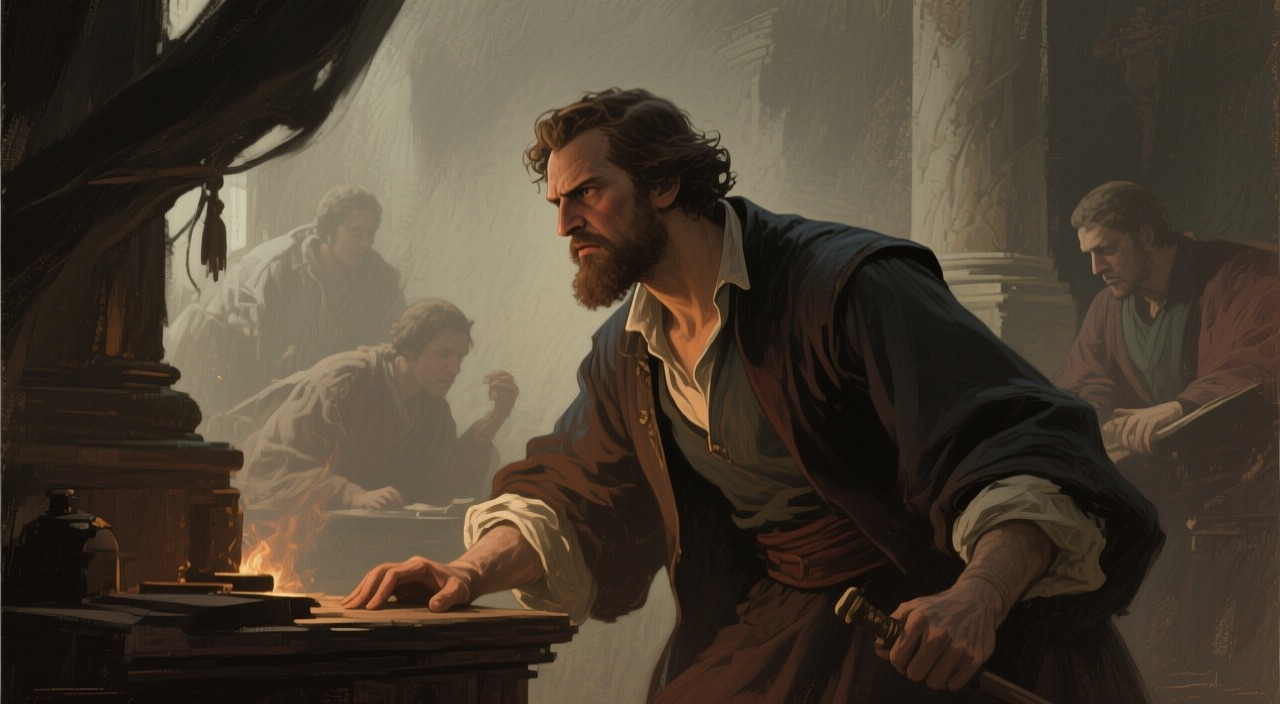
The Constant Criticism
The Birdshit on the Windshield
Charlie describes himself as the "birdshit on his father's windshield." His father sees him as a failure and a disappointment, constantly comparing him to an ideal.
The Navy Recruiter
Carl Decker is a Navy recruiter who deals with troubled youth. He sees Charlie as another problem he cannot fix. His contempt is palpable.
The Emotional Distance
Charlie's father never shows love or approval. This lack of affection fuels Charlie's rage and desire for revenge.
When Charlie was nine years old
Fall of 1962, when Charlie was four
After the assault on Mr. Carlson, spring of the crisis year
Throughout Charlie's childhood and adolescence
