
The Theme of the Little-Ease
The FallExplores the metaphor of the little-ease as the condition of modern man, trapped in a state between standing and lying down.
increasing Bearing strength in each event
 decreasing
Bearing strength in each eventdecreasingThe Medieval Cell
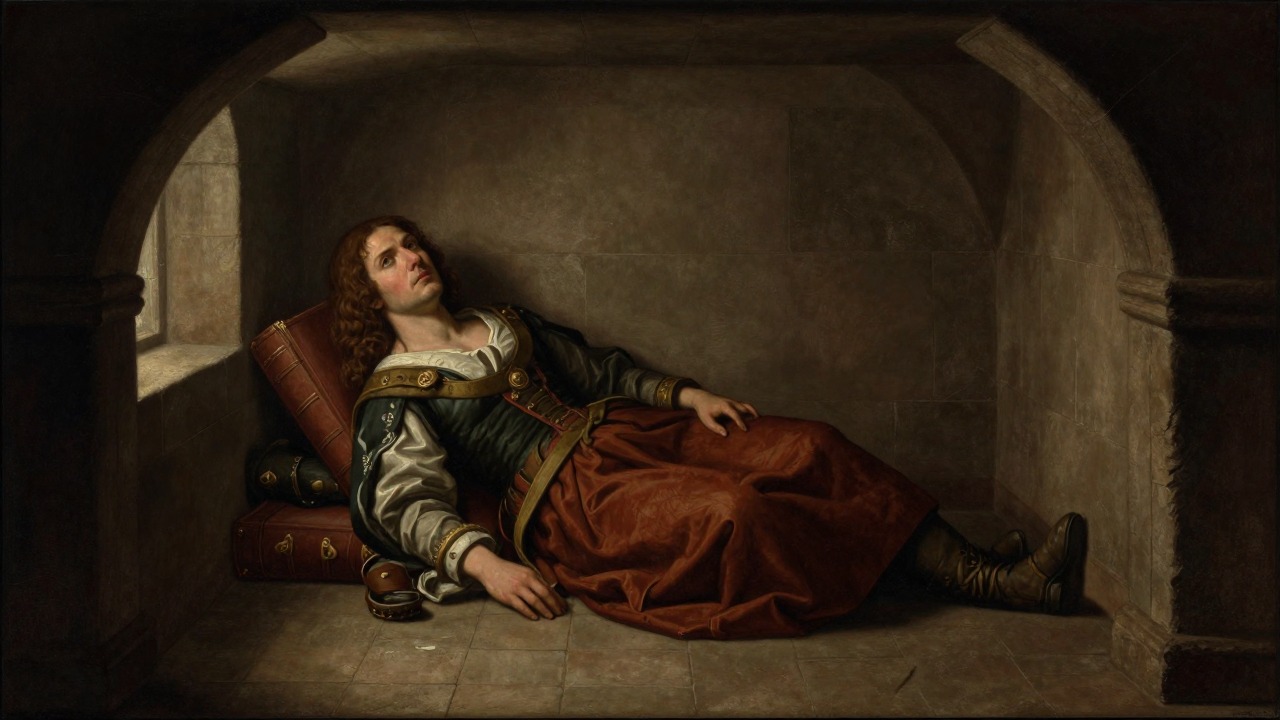
The dungeon of the self
A cell of ingenious dimensions
The little-ease was a cell where one could neither stand up nor lie down. One had to live on the diagonal, in an awkward posture. It was a place of punishment.
The symbol of guilt
For Clamence, the little-ease represented the condition of the guilty man. Innocence would be to stretch joyously. He was condemned to live hunched.
The Modern Application
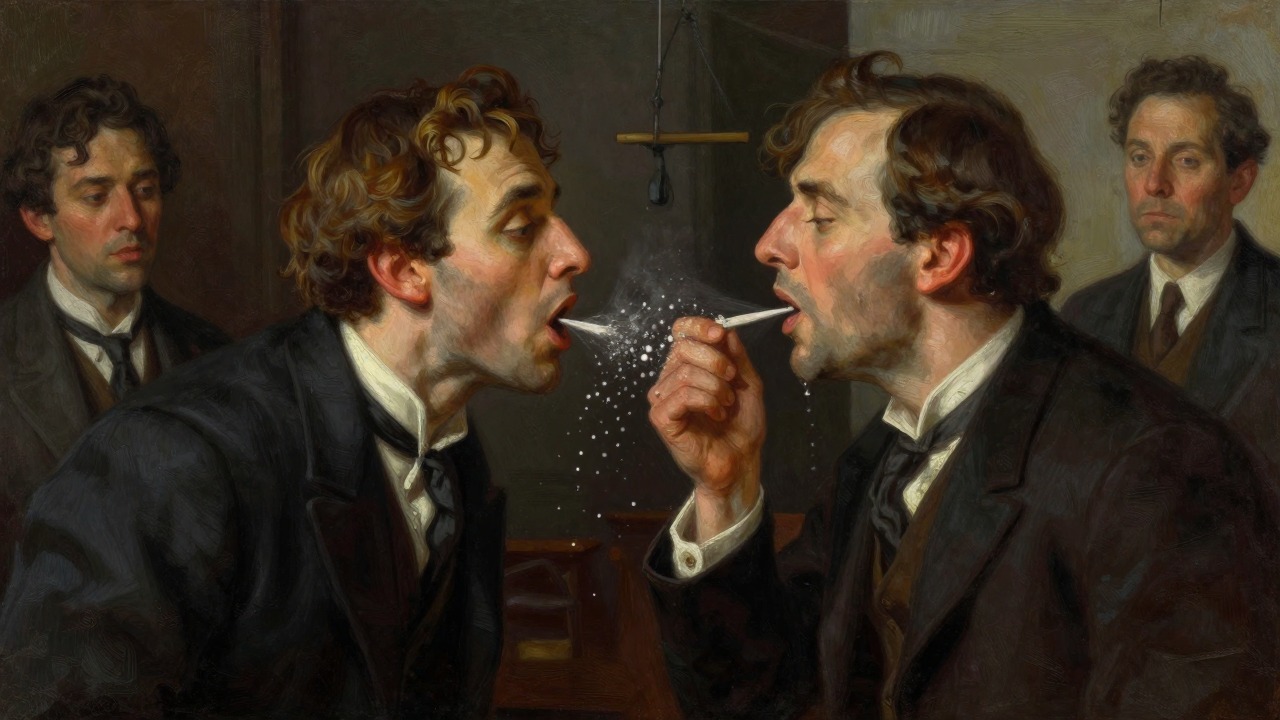
The universal prison
Everyone in the little-ease
Clamence argues that all men are in the little-ease, judged without a law. They are trapped in a state of guilt. The only escape is to accept it.
The need to spit first
He says we all spit on each other, each trying to be first. The spitting cell is another version. The theme of the little-ease is a metaphor for the human condition.
The Judge-Penitent's Freedom
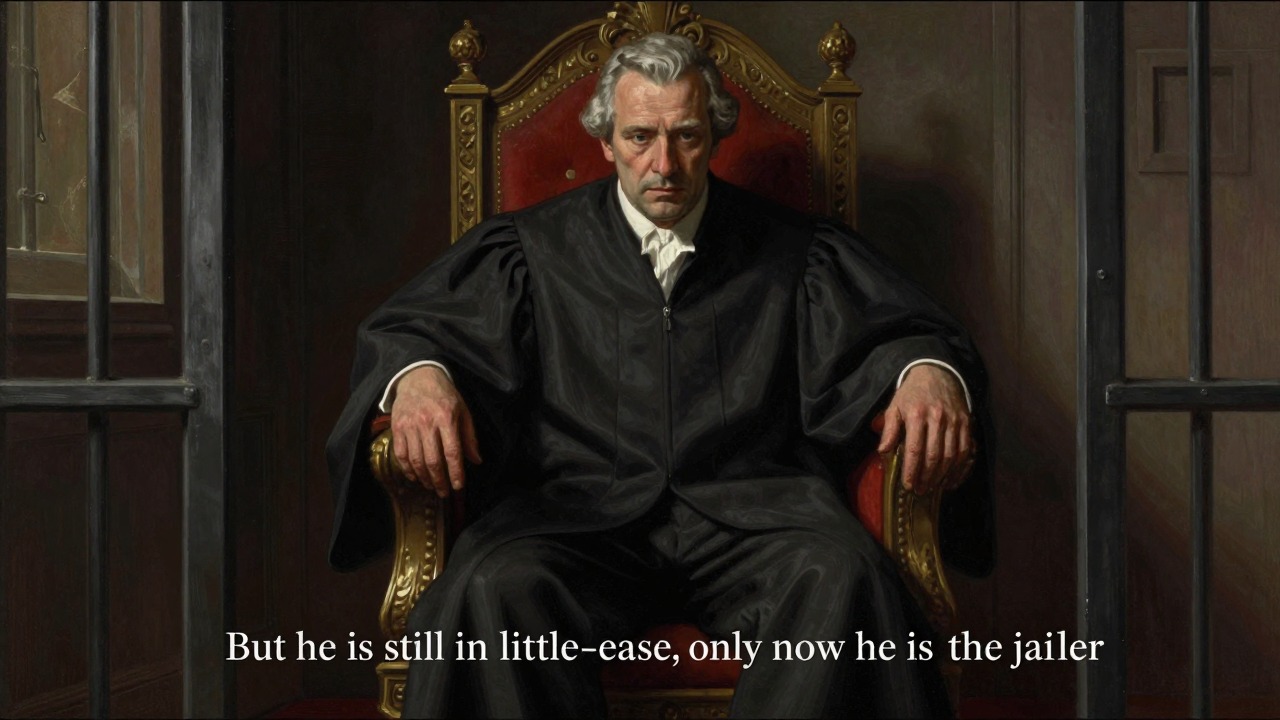
The escape from the cell
A relative freedom
Clamence has found a way out of the little-ease: he becomes the judge. He dominates from a height. He is no longer hunched but enthroned.
The illusion of release
But he is still in the little-ease, only now he is the jailer. The theme ends with a paradoxical solution: the only way out is to become the judge of others, but that is itself a prison.
Historical reference, but applied to Clamence's condition
After his crisis, in his daily life
In his Amsterdam practice
