Skip to content
Readipedia
Open Readify

StoryFlow

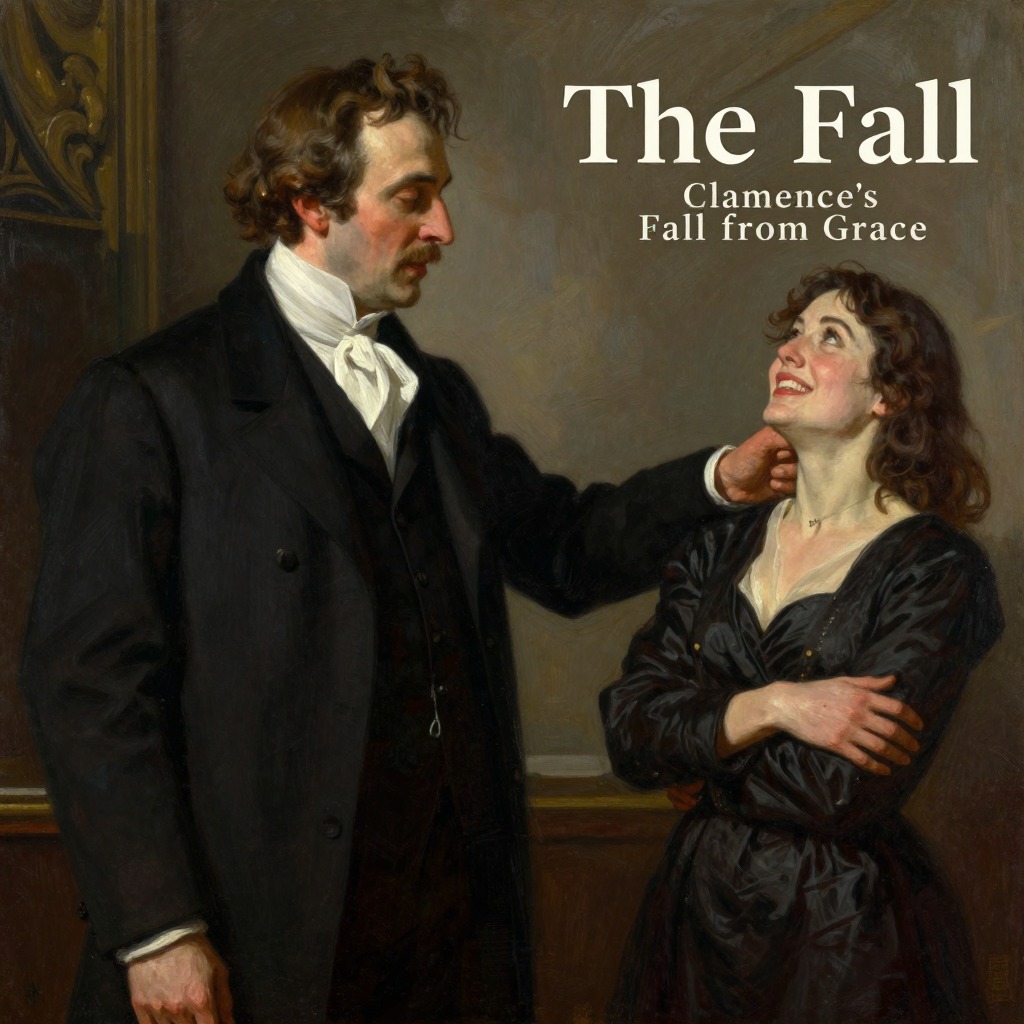
Clamence's Fall from Grace from "The Fall". Traces Jean-Baptiste Clamence's descent from a self-satisfied Parisian lawyer to a guilt-ridden exile in Amsterdam, triggered by a mysterious laugh and a…

Clamence's Fall from Grace

Traces Jean-Baptiste Clamence's descent from a self-satisfied Parisian lawyer to a guilt-ridden exile in Amsterdam, triggered by a mysterious laugh and a woman's suicide.
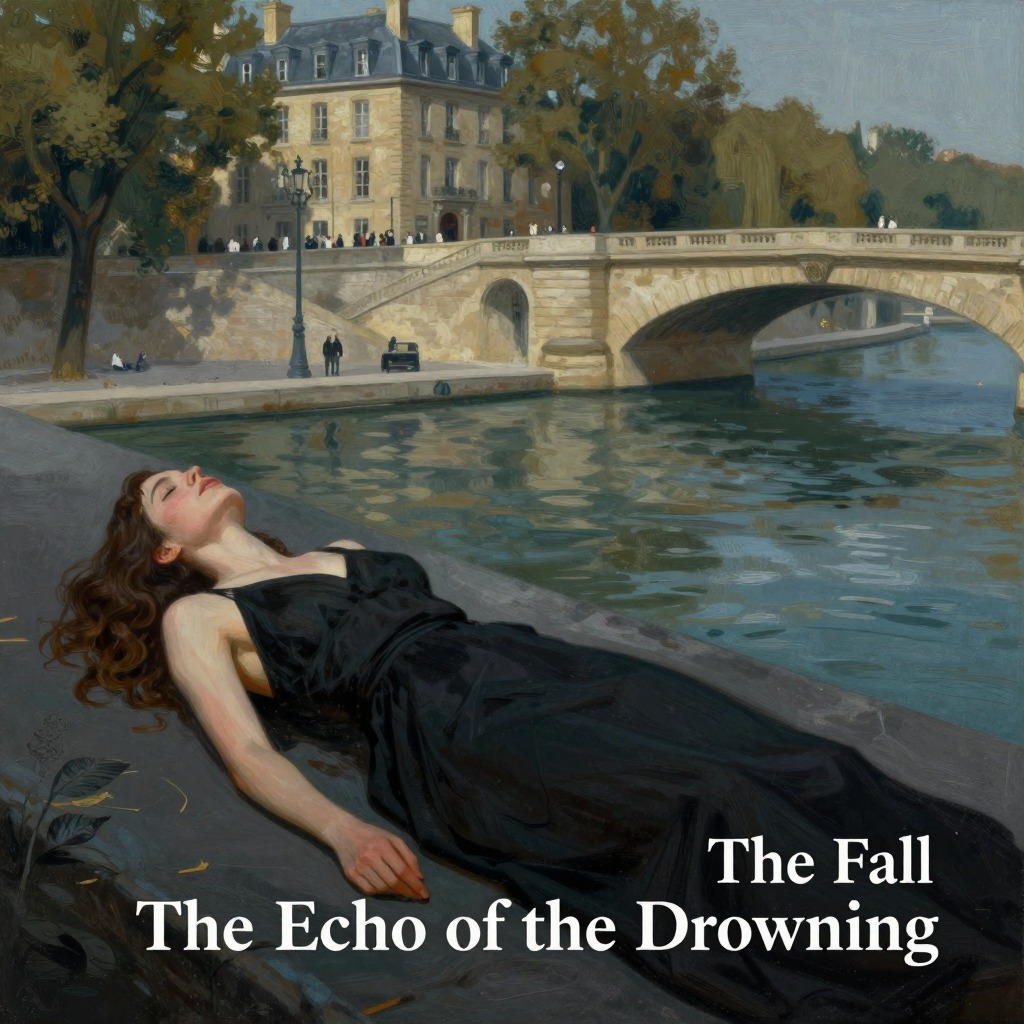
The Echo of the Drowning Woman from "The Fall". Follows the recurring motif of the woman's suicide on the Pont Royal, from its occurrence to its haunting presence in Clamence's life.
The Echo of the Drowning Woman

Follows the recurring motif of the woman's suicide on the Pont Royal, from its occurrence to its haunting presence in Clamence's life.

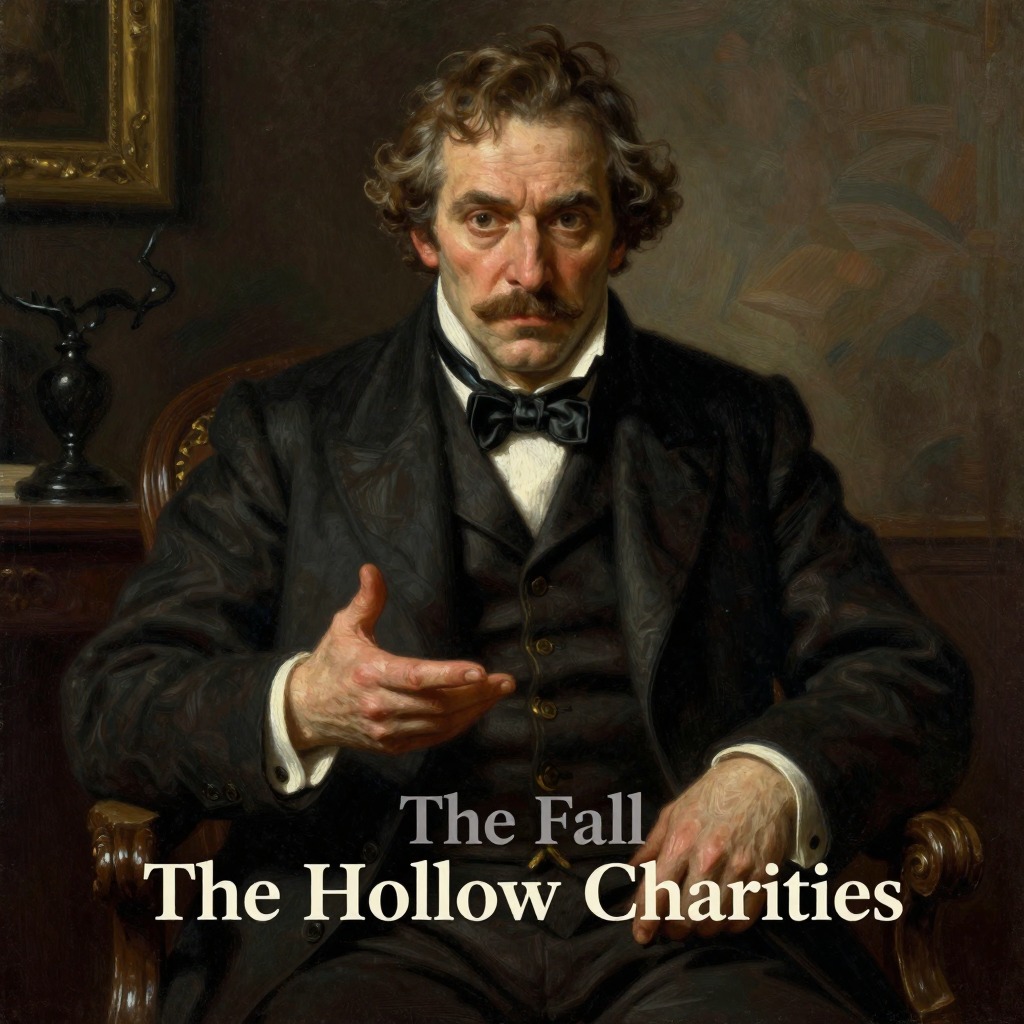
The Hollow Charities from "The Fall". Traces Clamence's acts of public generosity and their hidden motives of vanity and self-aggrandizement.
The Hollow Charities

Traces Clamence's acts of public generosity and their hidden motives of vanity and self-aggrandizement.

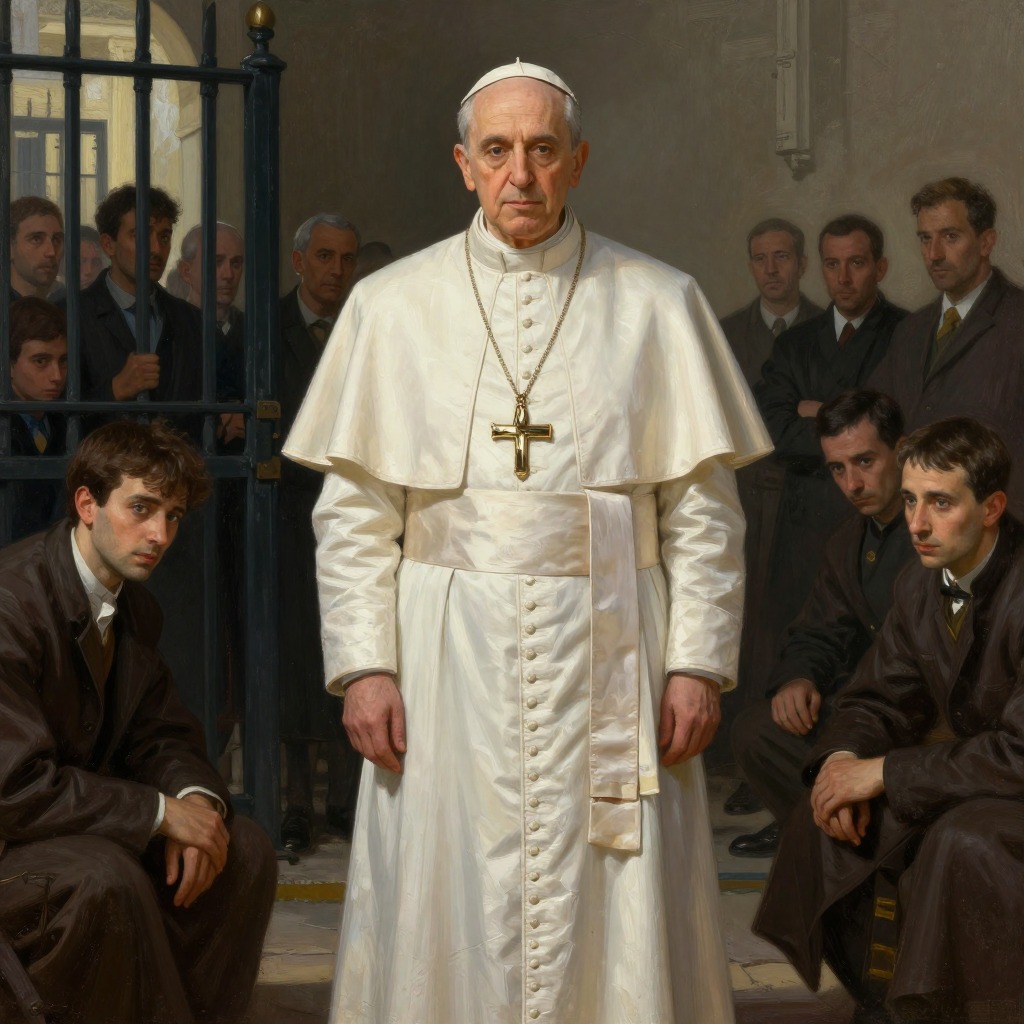
The Prison Camp Pope from "The Fall". Chronicles Clamence's election as pope in a North African prison camp and his moral compromise there.
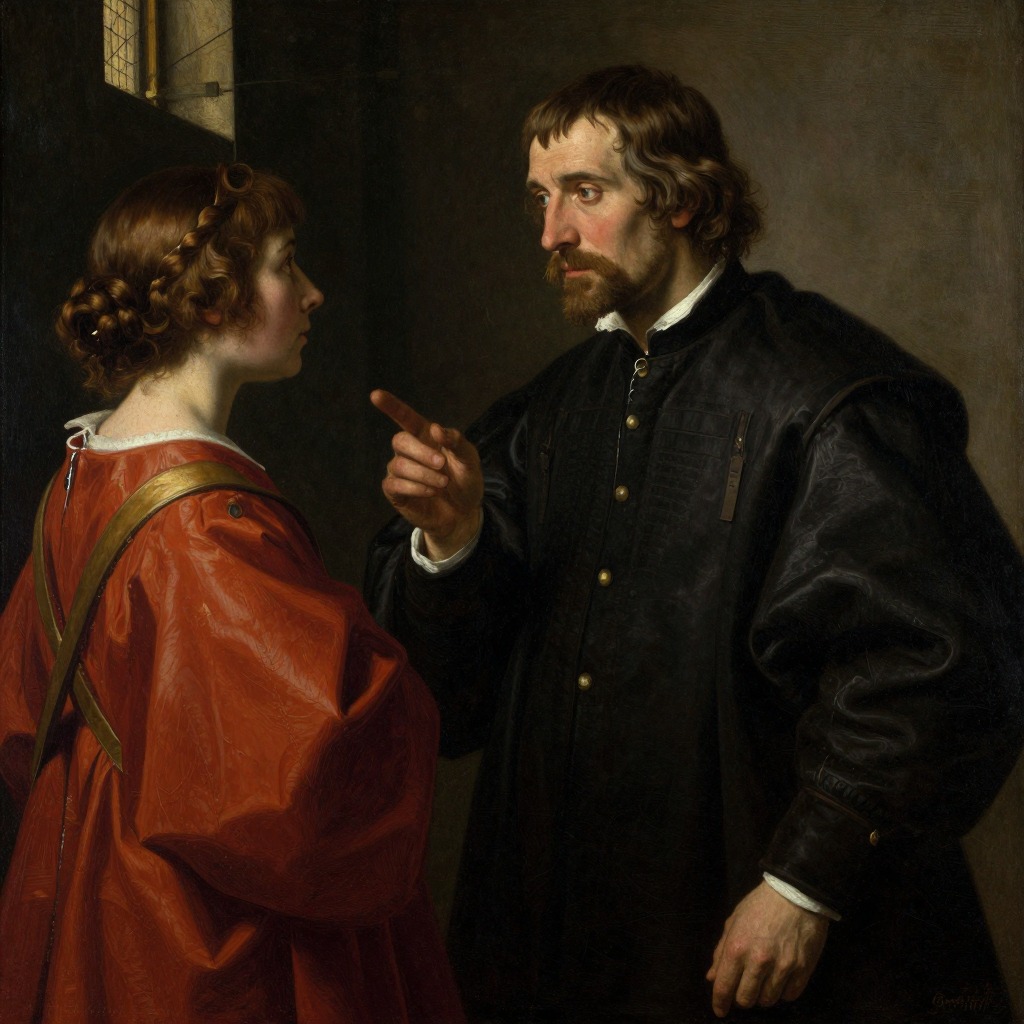
The Prison Camp Pope

Chronicles Clamence's election as pope in a North African prison camp and his moral compromise there.

The Theft of The Just Judges from "The Fall". Follows the story of the stolen van Eyck panel, from its acquisition by Clamence to its symbolic meaning in his life.
The Theft of The Just Judges

Follows the story of the stolen van Eyck panel, from its acquisition by Clamence to its symbolic meaning in his life.

The Motorcycle Humiliation from "The Fall". Recounts Clamence's physical defeat and humiliation in a street altercation, which shattered his self-image of physical dominance.
The Motorcycle Humiliation

Recounts Clamence's physical defeat and humiliation in a street altercation, which shattered his self-image of physical dominance.

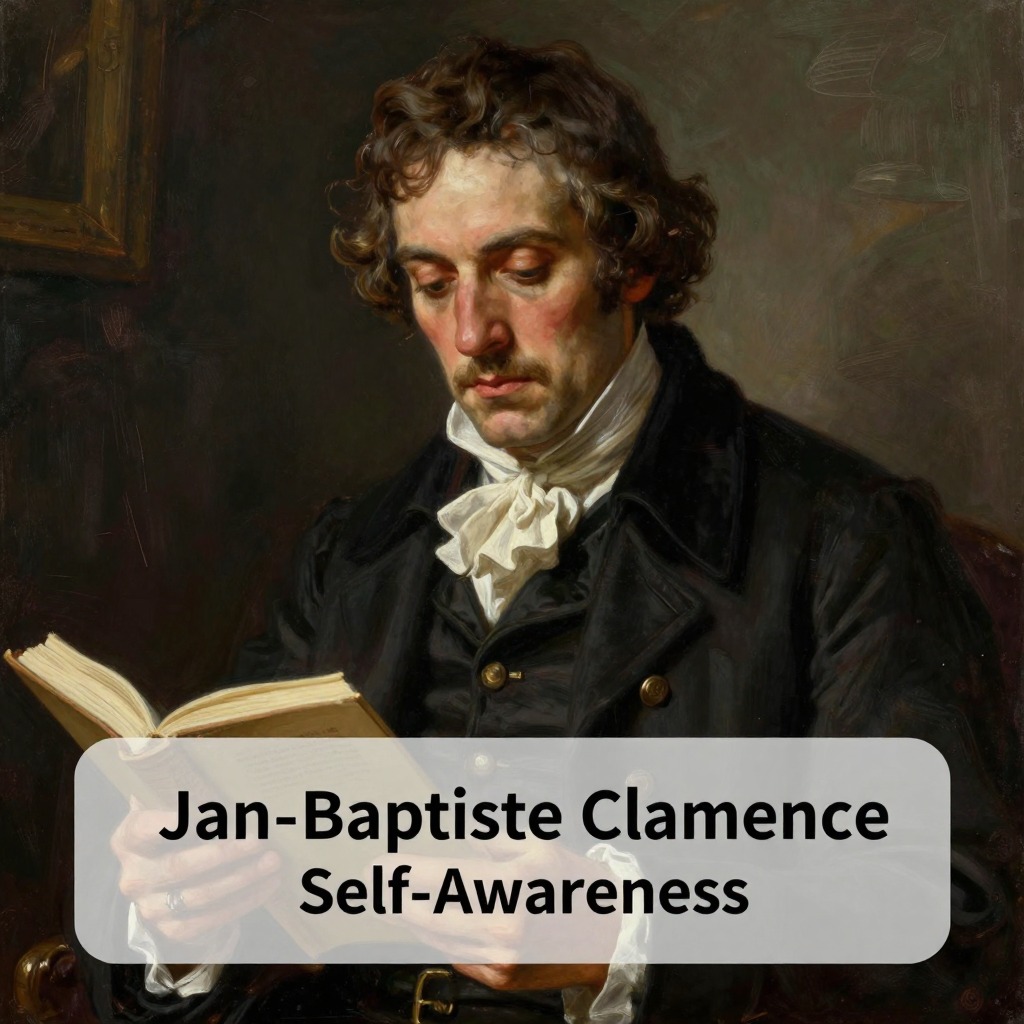
Clamence's Character Arc: From Vanity to Self-Awareness from "The Fall". Follows the evolution of Jean-Baptiste Clamence's self-understanding, from blissful ignorance to cynical lucidity.
Clamence's Character Arc: From Vanity to Self-Awareness

Follows the evolution of Jean-Baptiste Clamence's self-understanding, from blissful ignorance to cynical lucidity.

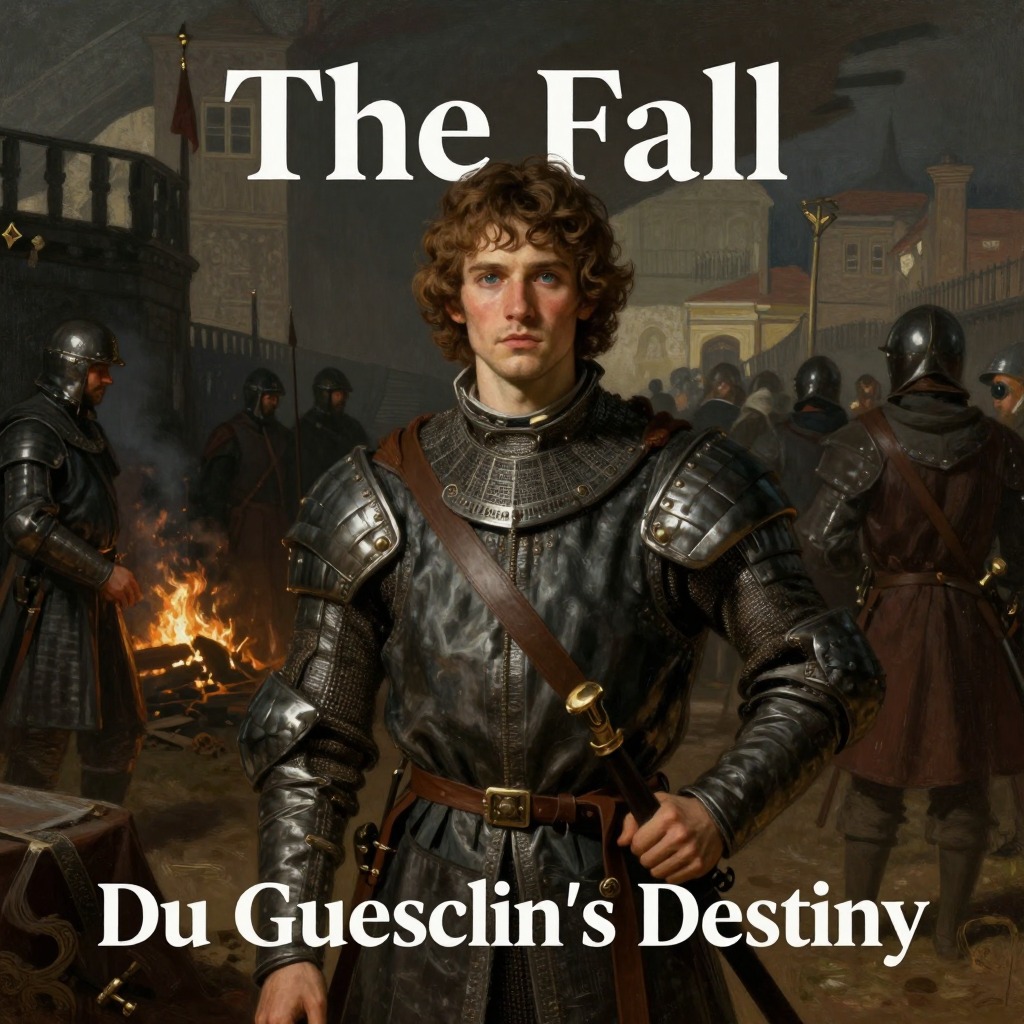
Du Guesclin's Destiny from "The Fall". Traces the fate of the young Frenchman Du Guesclin, from his idealism to his death in the prison camp.
Du Guesclin's Destiny

Traces the fate of the young Frenchman Du Guesclin, from his idealism to his death in the prison camp.

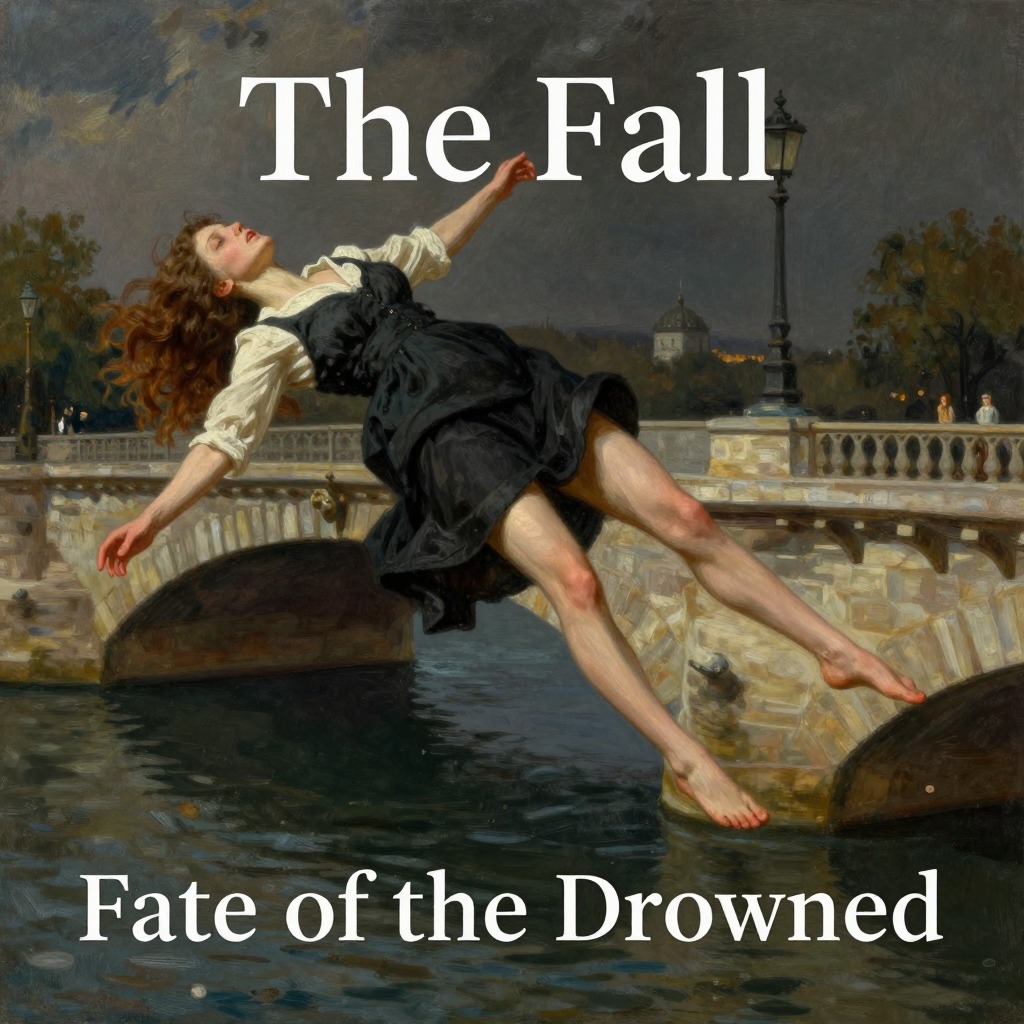
The Fate of the Drowned Woman from "The Fall". Explores the unknown life and death of the young woman who jumped from the Pont Royal, as a symbol of Clamence's guilt.
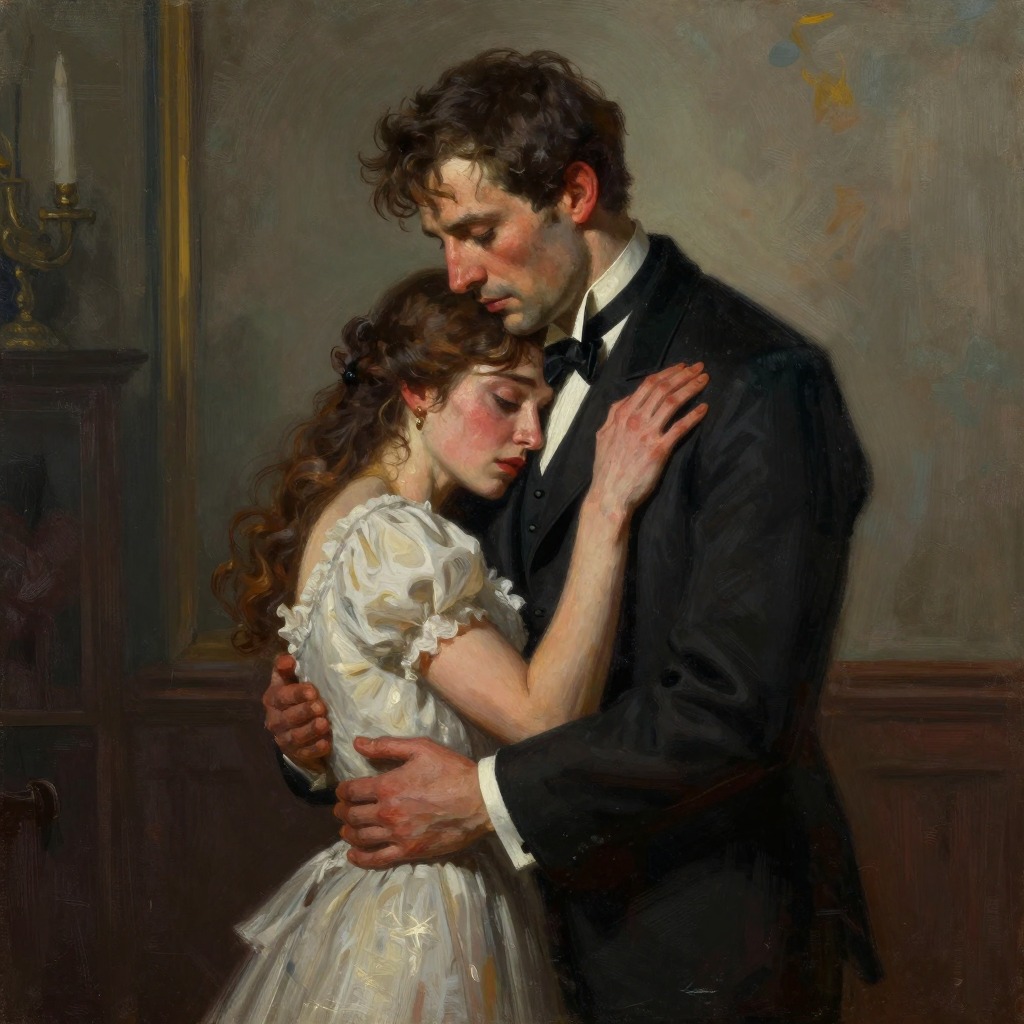
The Fate of the Drowned Woman

Explores the unknown life and death of the young woman who jumped from the Pont Royal, as a symbol of Clamence's guilt.

The Fate of the Concierge's Wife from "The Fall". Follows the story of the concierge's wife after her husband's death, illustrating the fleeting nature of grief and the human need for drama.
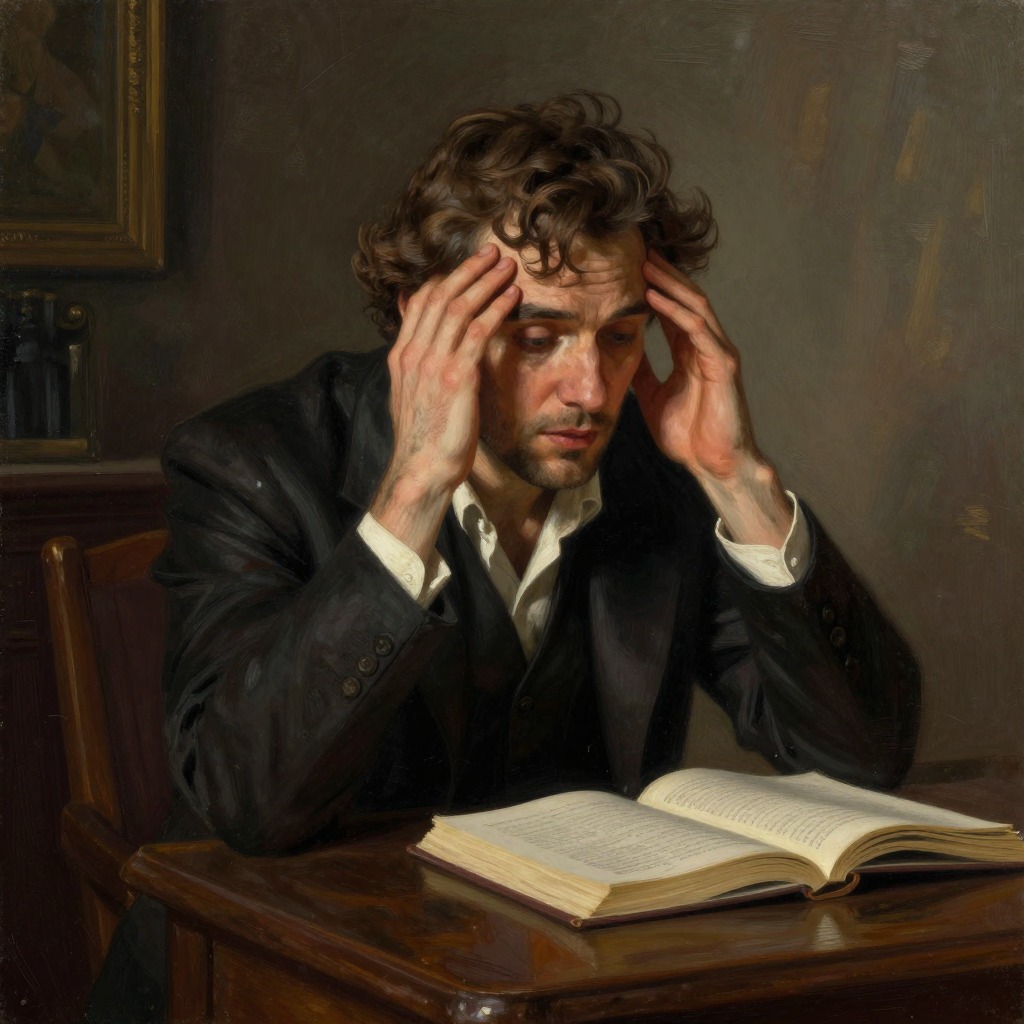
The Fate of the Concierge's Wife

Follows the story of the concierge's wife after her husband's death, illustrating the fleeting nature of grief and the human need for drama.

The Conflict Between Self-Image and Reality from "The Fall". Tracks Clamence's internal struggle as his idealized self-image collides with the truth of his actions.
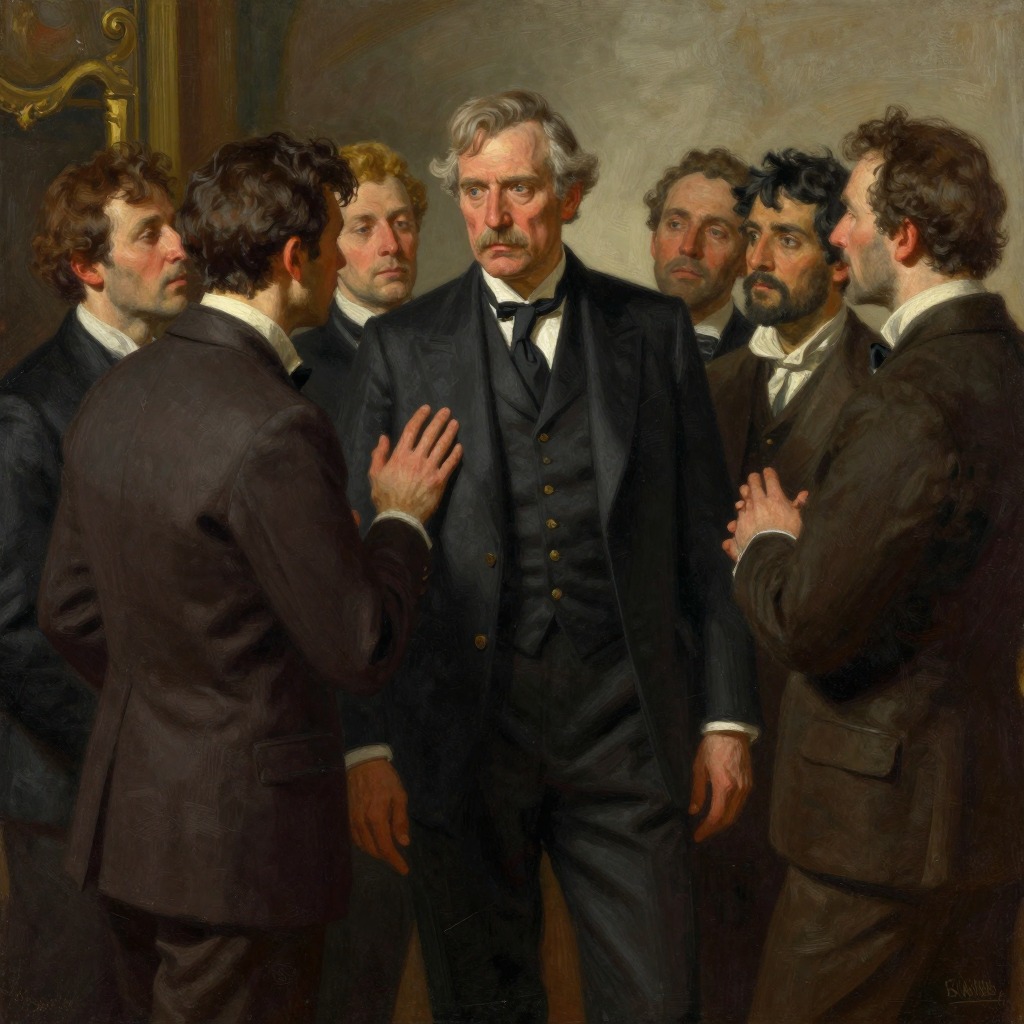
The Conflict Between Self-Image and Reality

Tracks Clamence's internal struggle as his idealized self-image collides with the truth of his actions.

The Conflict Between Clamence and Society from "The Fall". Chronicles the growing tension between Clamence and the people around him, from adulation to judgment.
The Conflict Between Clamence and Society

Chronicles the growing tension between Clamence and the people around him, from adulation to judgment.

The Conflict Between Freedom and Slavery from "The Fall". Explores Clamence's evolving relationship with the concepts of freedom and slavery, from a champion of freedom to an advocate of slavery.
The Conflict Between Freedom and Slavery

Explores Clamence's evolving relationship with the concepts of freedom and slavery, from a champion of freedom to an advocate of slavery.

Clamence's Self-Love and Its Collapse from "The Fall". Traces the arc of Jean-Baptiste Clamence's narcissism, from its peak to its transformation into the judge-penitent's self-accusation.
Clamence's Self-Love and Its Collapse

Traces the arc of Jean-Baptiste Clamence's narcissism, from its peak to its transformation into the judge-penitent's self-accusation.

Clamence's Bond with Du Guesclin from "The Fall". Follows the emotional connection between Clamence and Du Guesclin in the prison camp, from admiration to guilt.
Clamence's Bond with Du Guesclin

Follows the emotional connection between Clamence and Du Guesclin in the prison camp, from admiration to guilt.

Clamence's Manipulative Relationships with Women from "The Fall". Examines the pattern of Clamence's emotional entanglements with women, from seduction to domination.
Clamence's Manipulative Relationships with Women

Examines the pattern of Clamence's emotional entanglements with women, from seduction to domination.

The Theme of Judgment and Guilt from "The Fall". Traces the development of the novel's central theme: the universality of guilt and the inescapability of judgment.
The Theme of Judgment and Guilt

Traces the development of the novel's central theme: the universality of guilt and the inescapability of judgment.

The Theme of Freedom and Slavery from "The Fall". Explores how the novel interrogates the concepts of freedom and slavery, culminating in Clamence's advocacy of submission.
The Theme of Freedom and Slavery

Explores how the novel interrogates the concepts of freedom and slavery, culminating in Clamence's advocacy of submission.

The Theme of Truth and Lies from "The Fall". Follows the novel's meditation on the nature of truth, lies, and confession, as embodied by Clamence's narrative.
The Theme of Truth and Lies

Follows the novel's meditation on the nature of truth, lies, and confession, as embodied by Clamence's narrative.

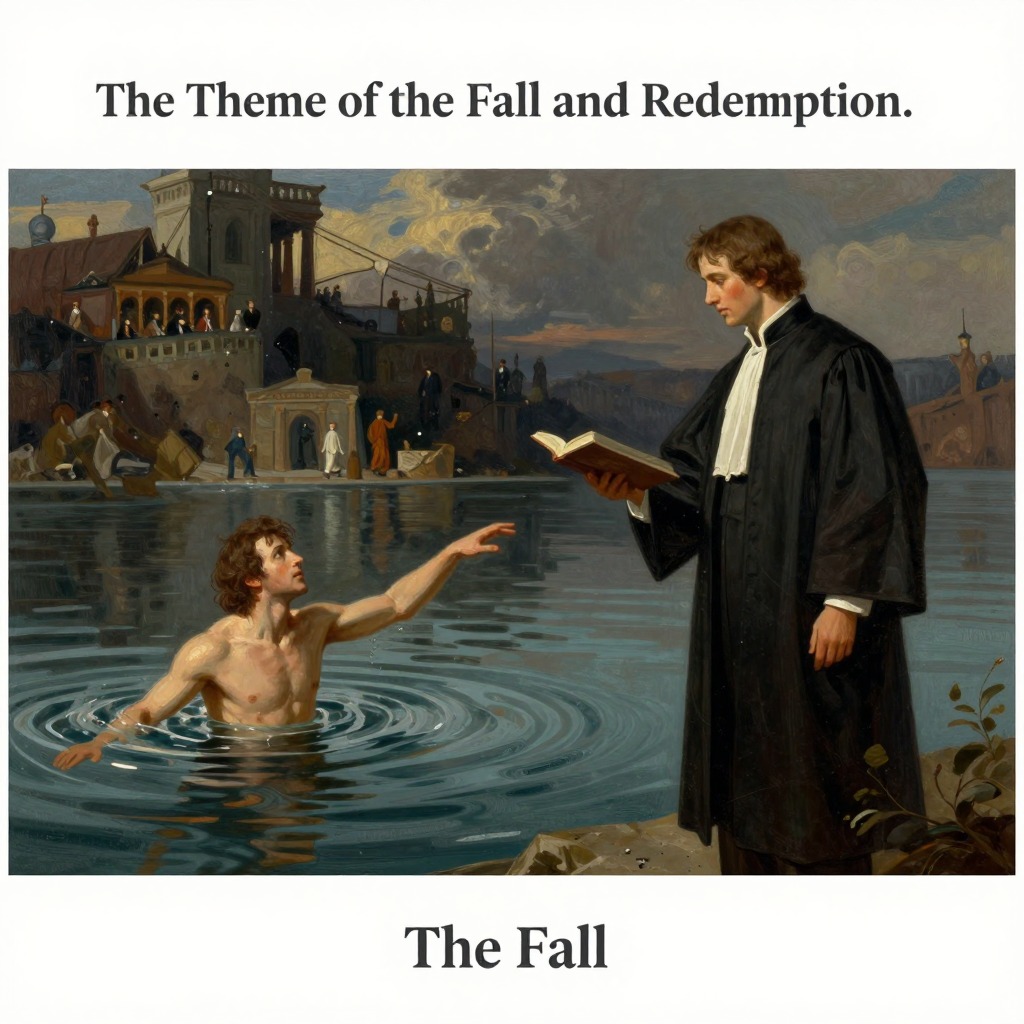
The Theme of the Fall and Redemption from "The Fall". Tracks the novel's engagement with the concept of the Fall, from the original sin of the drowning to the pseudo-redemption of the judge-penitent.
The Theme of the Fall and Redemption

Tracks the novel's engagement with the concept of the Fall, from the original sin of the drowning to the pseudo-redemption of the judge-penitent.

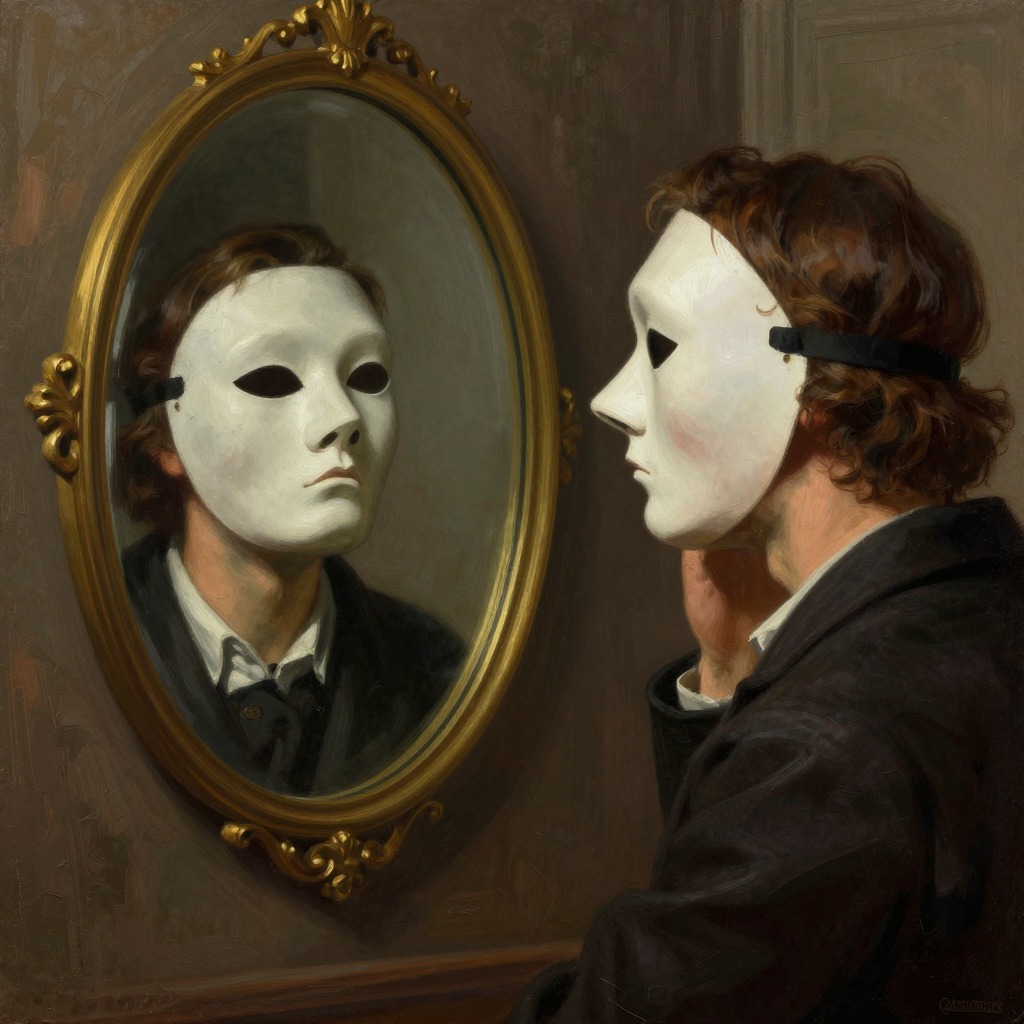
The Theme of the Mask and the Mirror from "The Fall". Examines the motifs of the mask and the mirror in Clamence's narrative, representing identity and self-deception.
The Theme of the Mask and the Mirror

Examines the motifs of the mask and the mirror in Clamence's narrative, representing identity and self-deception.

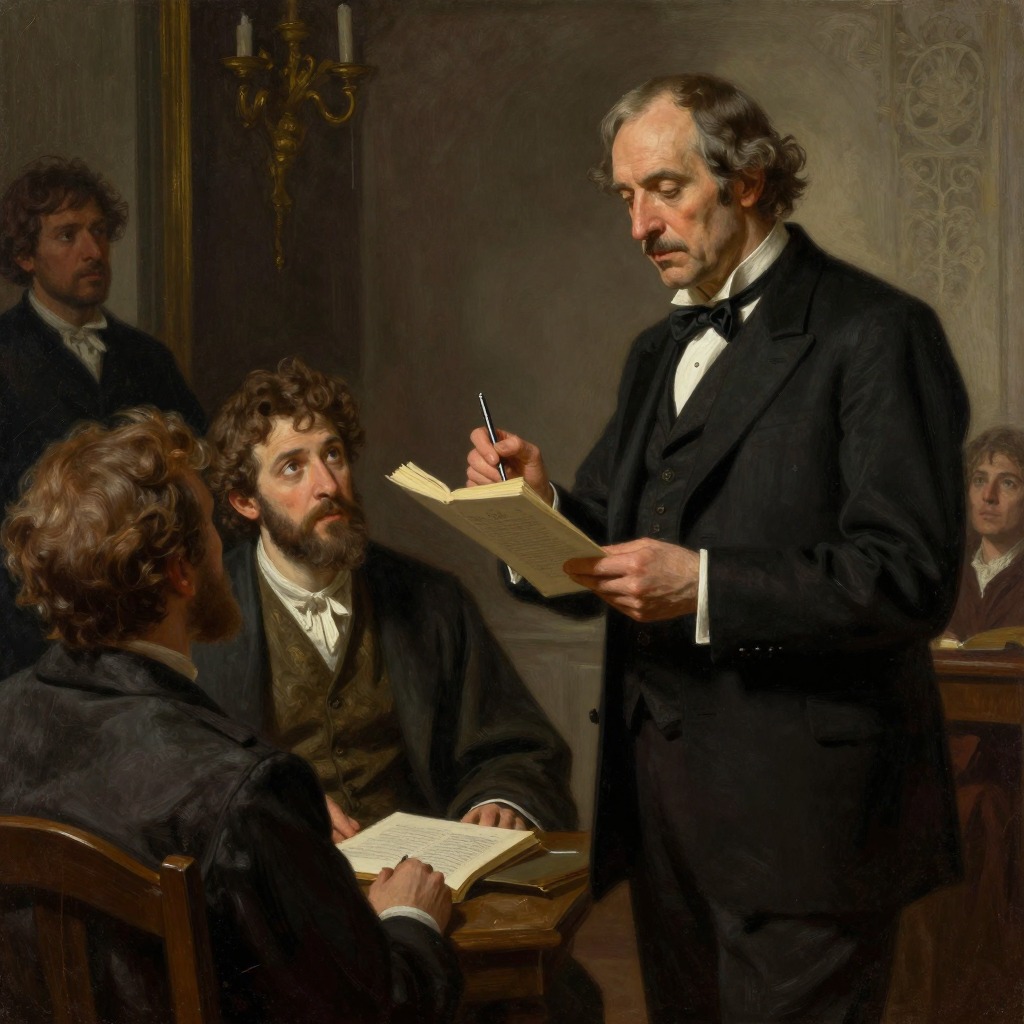
The Theme of the Last Judgment from "The Fall". Follows the novel's reimagining of the Last Judgment as a daily, human event, and Clamence's role as its administrator.
The Theme of the Last Judgment

Follows the novel's reimagining of the Last Judgment as a daily, human event, and Clamence's role as its administrator.

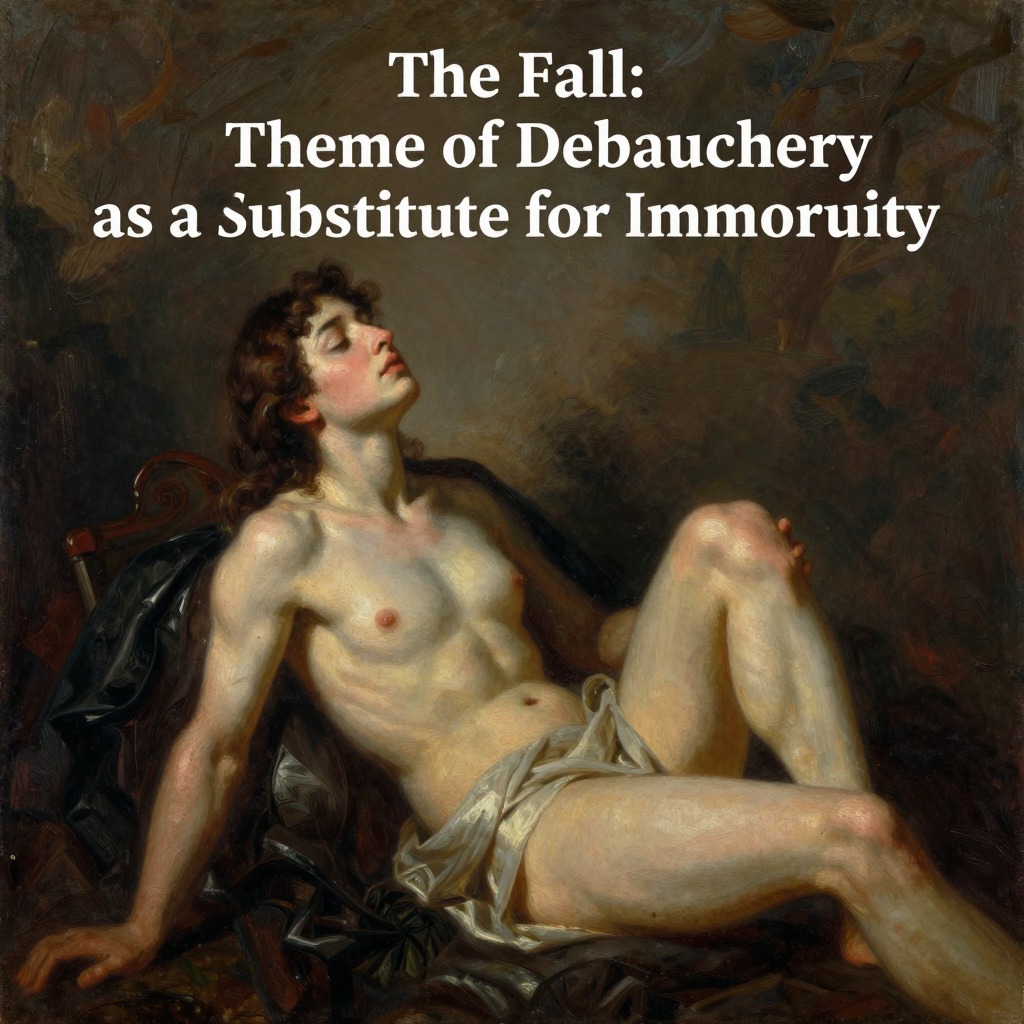
The Theme of Debauchery as a Substitute for Immortality from "The Fall". Explores the novel's treatment of debauchery as a means to achieve a sense of immortality and freedom from judgment.
The Theme of Debauchery as a Substitute for Immortality

Explores the novel's treatment of debauchery as a means to achieve a sense of immortality and freedom from judgment.

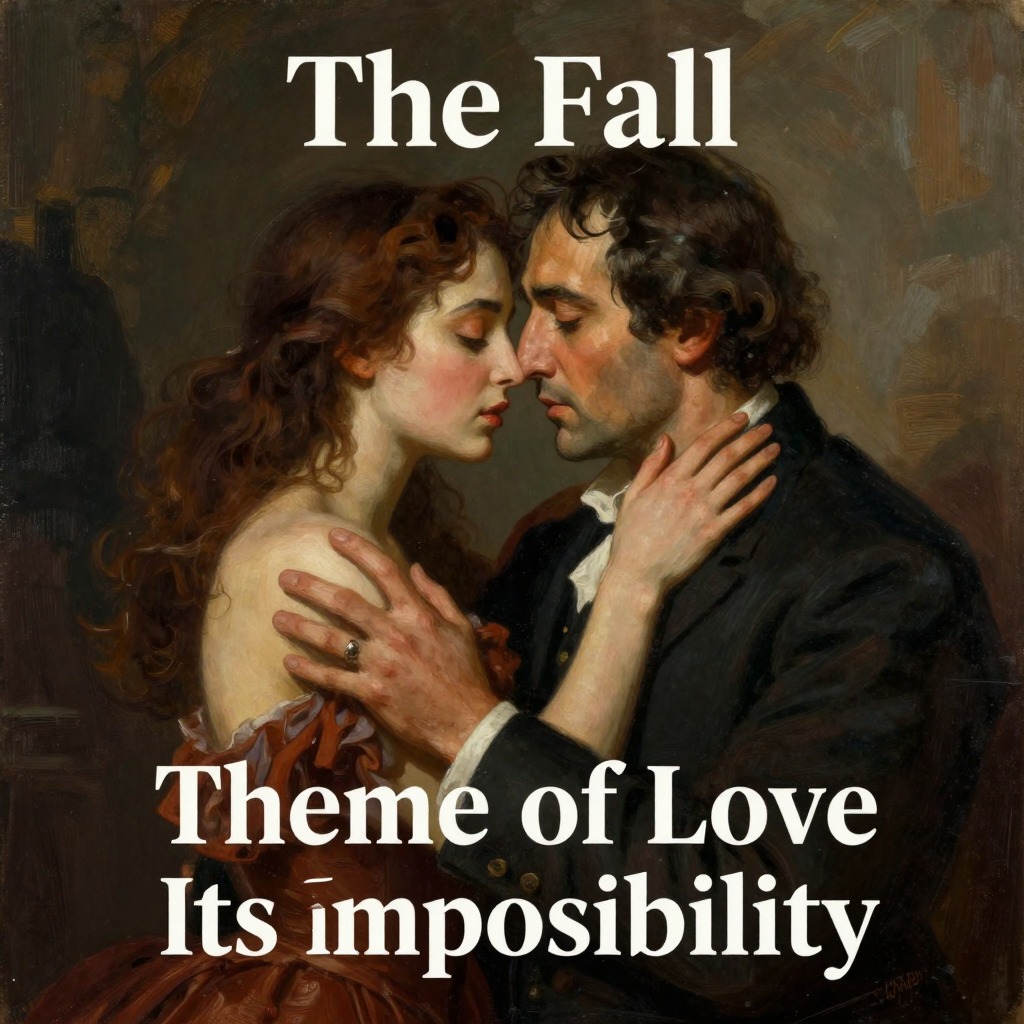
The Theme of Love and Its Impossibility from "The Fall". Traces the novel's exploration of love as a concept that Clamence can only perform but never truly feel.
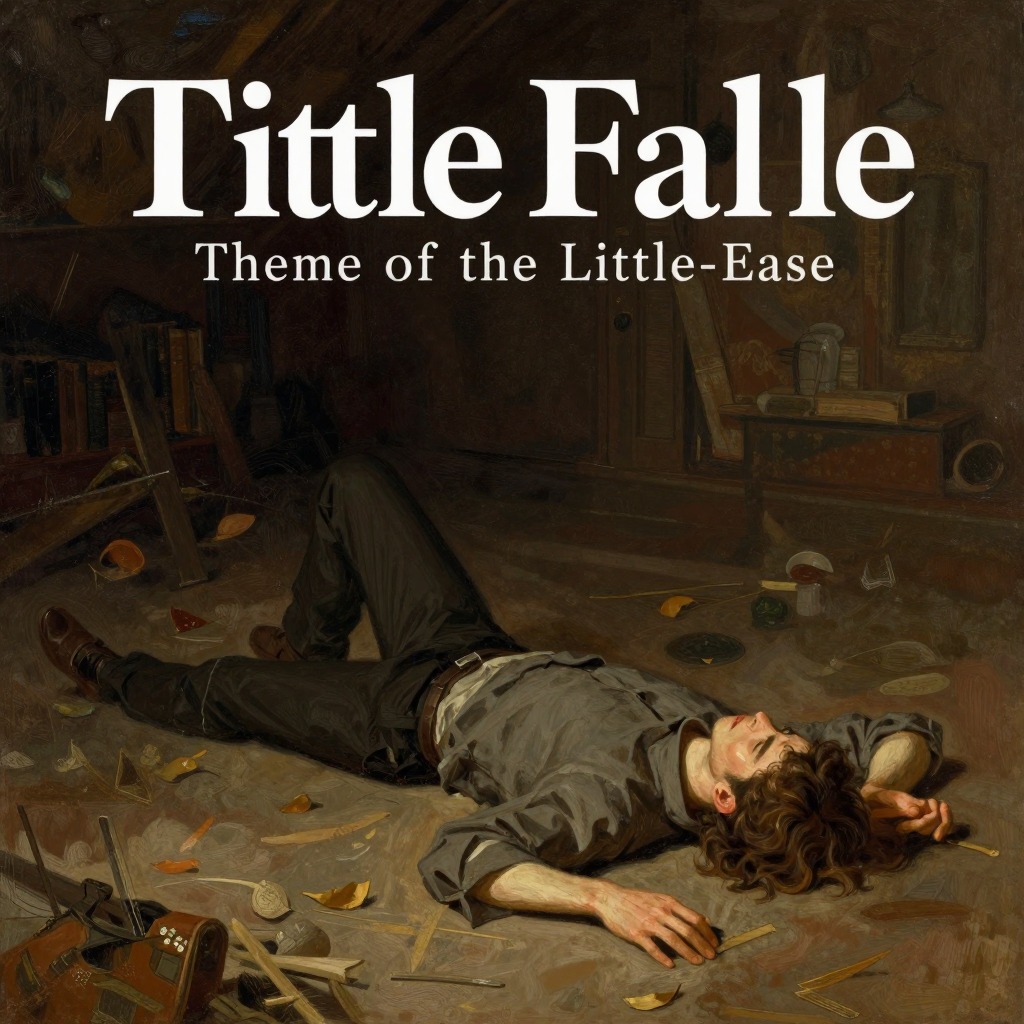
The Theme of Love and Its Impossibility

Traces the novel's exploration of love as a concept that Clamence can only perform but never truly feel.

The Theme of the Little-Ease from "The Fall". Explores the metaphor of the little-ease as the condition of modern man, trapped in a state between standing and lying down.

The Theme of the Little-Ease

Explores the metaphor of the little-ease as the condition of modern man, trapped in a state between standing and lying down.