
Place as Social Metaphysics
The Man in the High CastleThe invisible hierarchy of rank is the real religion of the Pacific States, determining who may bow, who may speak, and who may live.
increasing Bearing strength in each event
 decreasing
Bearing strength in each eventdecreasingThe Word Place
The Word Place
Context
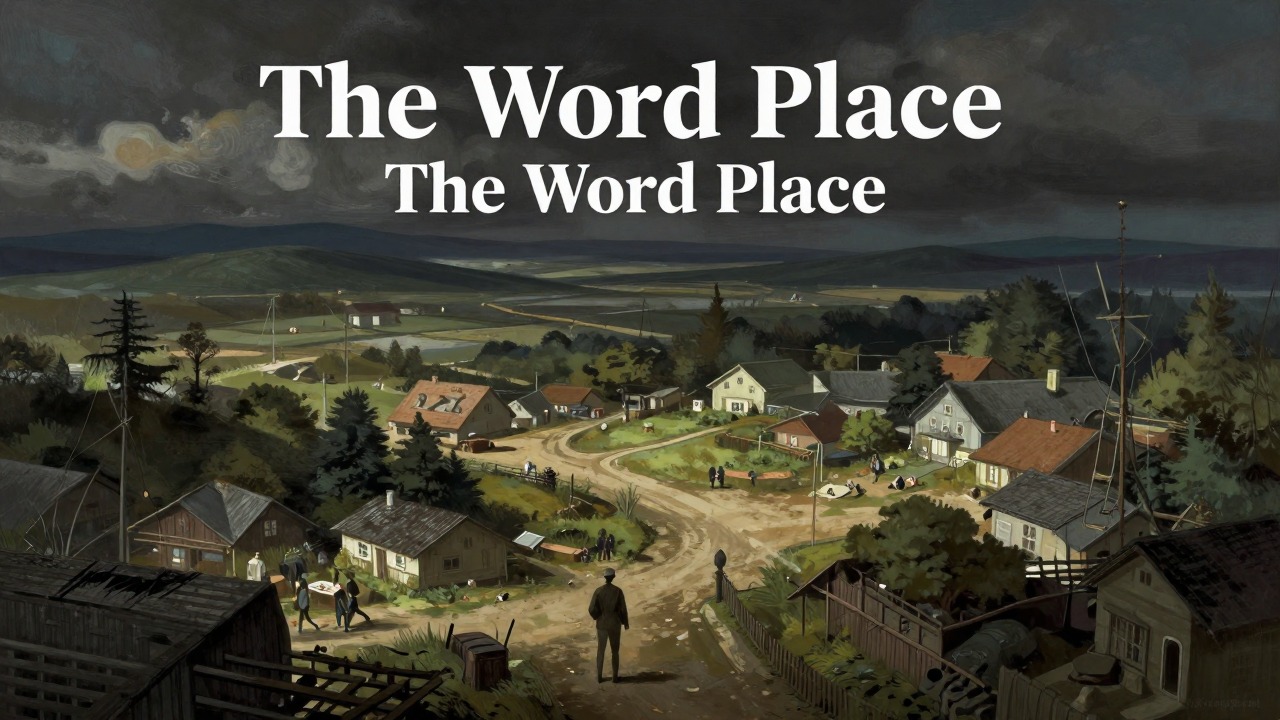
Robert Childan thinks about place as the fundamental category of his world. It is how the Japanese maintain control without visible force.
Turning Point
He imagines a future where place does not matter, then trembles at his own hope. He has learned to love the idea of a rank-free world even while serving the hierarchy.
Significance
Place is the novel's term for class and race made into ritual. It shows how power works through manners, shame, and self-policing.
Bow and Insult
Bow and Insult
Context
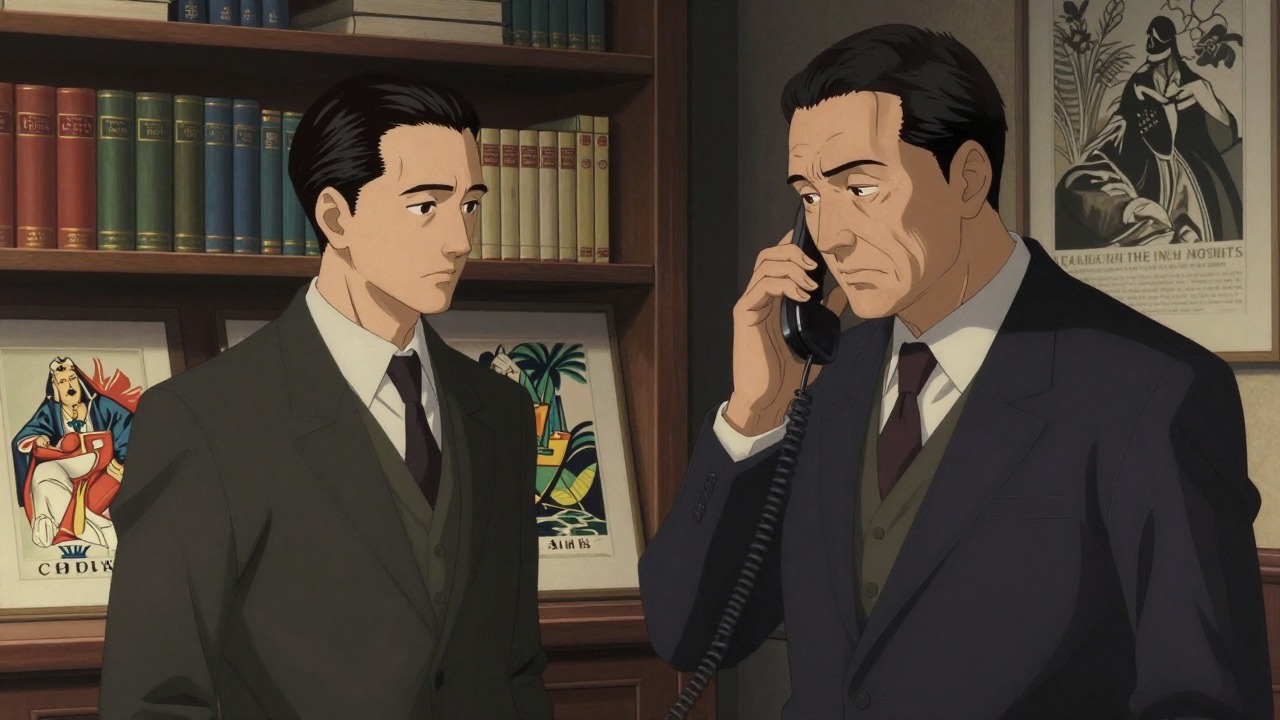
On the phone, Nobusuke Tagomi deliberately mispronounces Childan's name, a small insult wrapped in politeness. Childan burns with shame but must stay deferential.
Turning Point
Tagomi demands to see him at two o'clock, and Childan knows he will have to close his store. His time is not his own.
Significance
Place is enacted through tiny gestures: names, bows, schedules. The system lives in every conversation, not just in laws.
The Yankee as Barbarian
The Yankee as Barbarian
Context
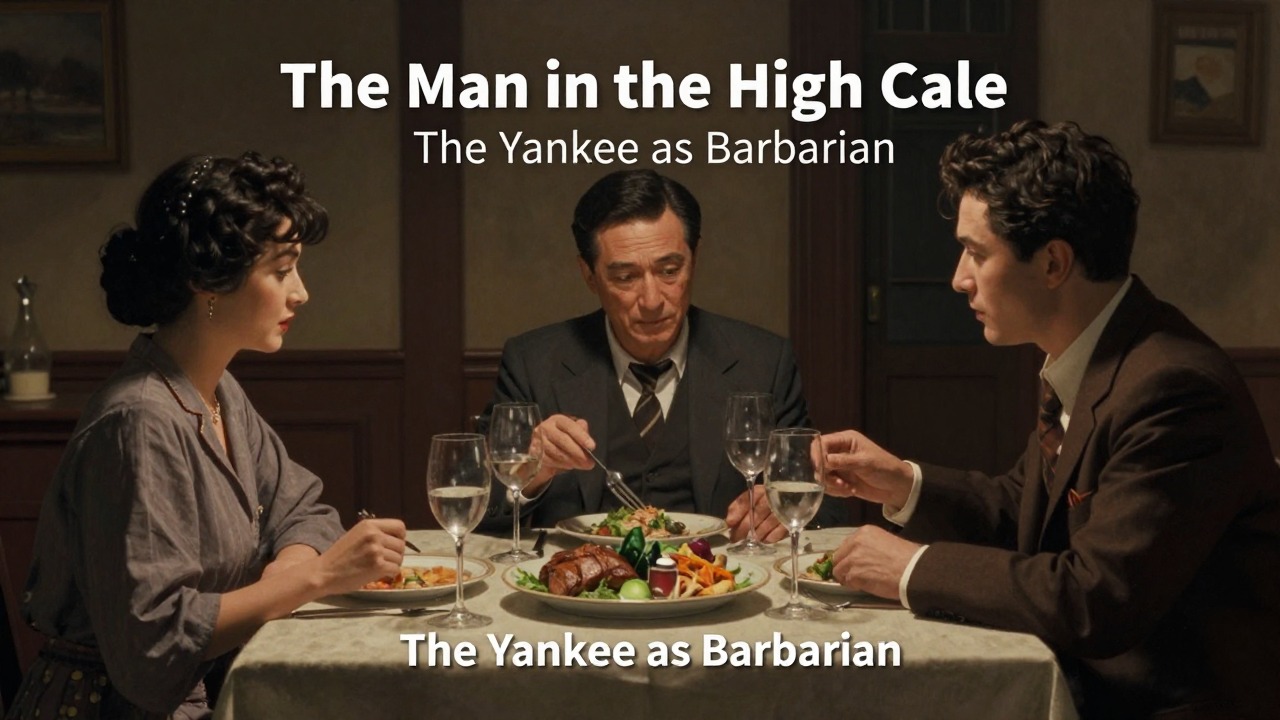
Childan believes that white Americans are half-baked compared to their Japanese conquerors. He watches the easy grace of the Kasouras and despises his own clumsiness.
Turning Point
At dinner he tries and fails to match their spiritual sophistication. He feels like a monkey dressed up in discarded rituals.
Significance
The internalization of place makes even the conquered hate themselves. The system is complete when the victim polices its borders.
The Negro Under the Wharf
The Negro Under the Wharf
Context
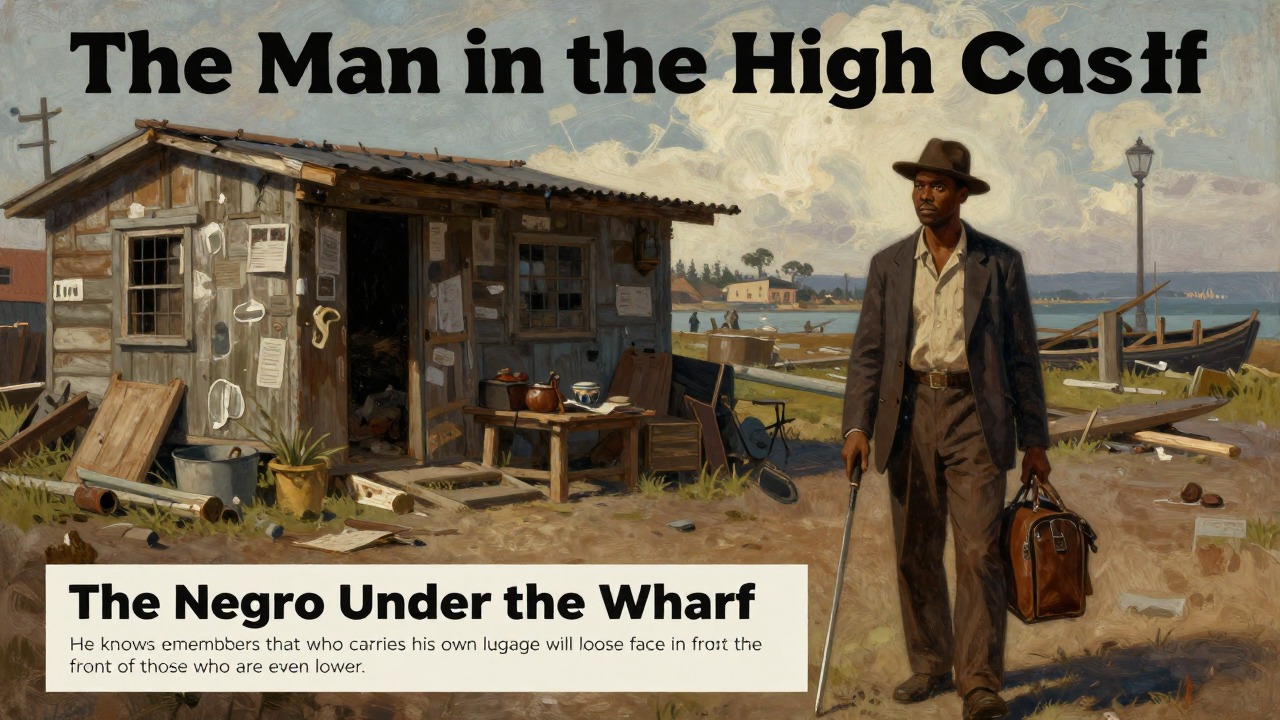
Childan remembers that black slaves in San Francisco live in shacks below the wharves. They are the lowest stratum of place, almost unseen.
Turning Point
He knows that a white man who carries his own luggage will lose face in front of those who are even lower. The fear of falling is absolute.
Significance
Place is not only about Japanese over white; it is a complete pyramid. The novel shows how racism is as present in the Pacific States as in the Reich.
The Release as Rebellion
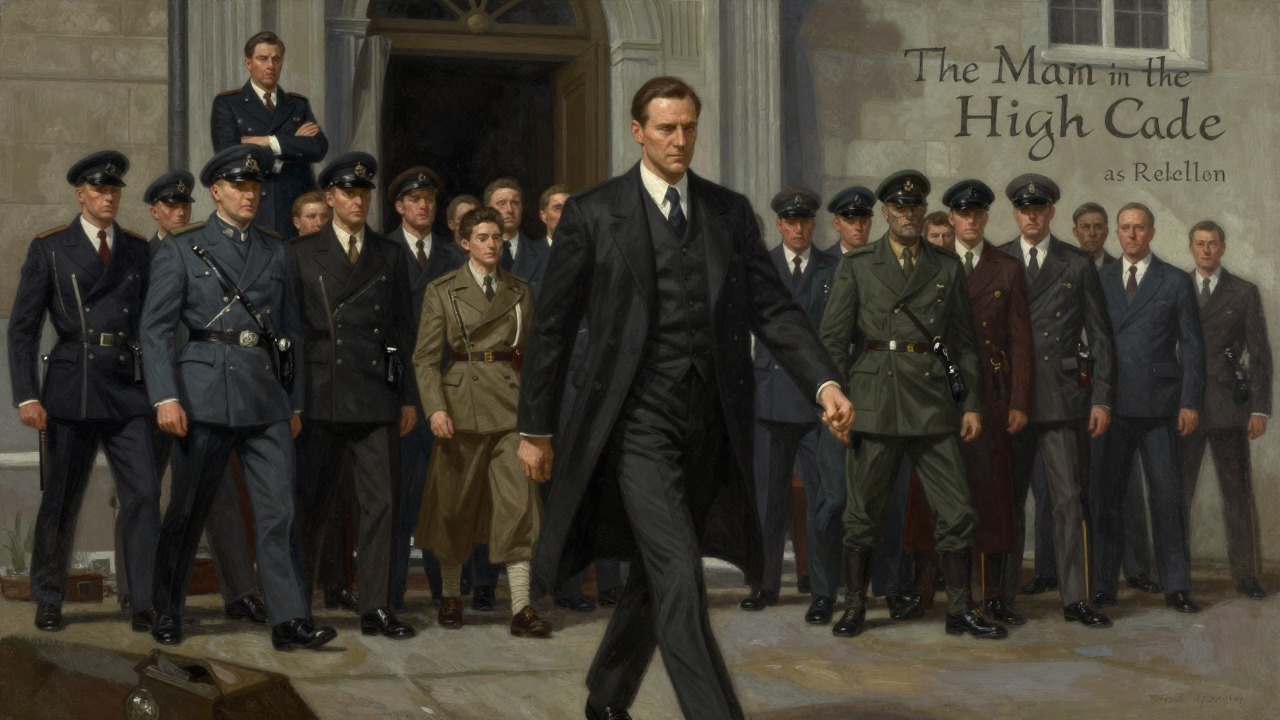
The Release as Rebellion
Context
Tagomi, at the top of the hierarchy, performs a rebellious act: he releases a Jewish felon against the Reich's explicit demand. His status gives him the power to defy the system from within.
Turning Point
Frank Frink walks away free because of that one signature. The structure of place is momentarily broken by a person of high place.
Significance
Place is not only oppressive; it can be turned to mercy. Tagomi's action is the novel's clearest example of using rank to undermine rank.
when Childan reflects on the social order
during Tagomi's telephone call to Childan
when Childan admits his inferiority to the Kasouras
when Childan imagines the slave quarters
when Tagomi overrides the Reich's demand for Frink
