
The Conflict Between Pope and Emperor
The Name of the RoseThe political and religious struggle between Pope John XXII and Emperor Louis the Bavarian, which forms the backdrop of the abbey's meeting.
increasing Bearing strength in each event
 decreasing
Bearing strength in each eventdecreasingThe Imperial Mission
William's Role
A Diplomatic Task
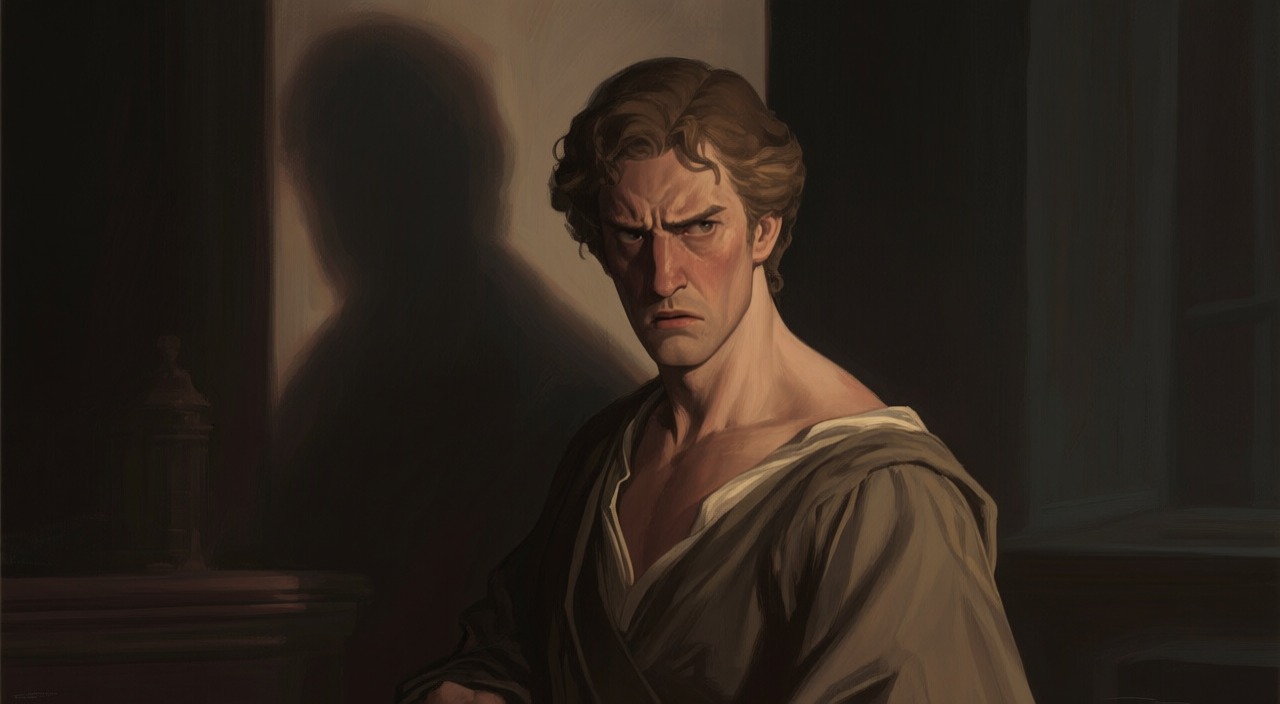
William of Baskerville is sent by Emperor Louis the Bavarian to arrange a meeting between Franciscan and papal legates at the abbey. The goal is to negotiate the Franciscan position on poverty and possibly secure safe passage for Michael of Cesena to Avignon.
The Political Context
The Pope, John XXII, has condemned the Franciscan doctrine of Christ's poverty. The Emperor supports the Franciscans as a counterweight to papal power. The abbey, though Benedictine, is loyal to the Empire.
The Meeting's Importance
The success of the meeting could determine the future of the Franciscan order and the balance of power in Europe. William's mission is fraught with danger, as the Pope's agents, including the inquisitor Bernard Gui, are hostile.
The Arrival of the Legations
Two Camps Gather
The Franciscans
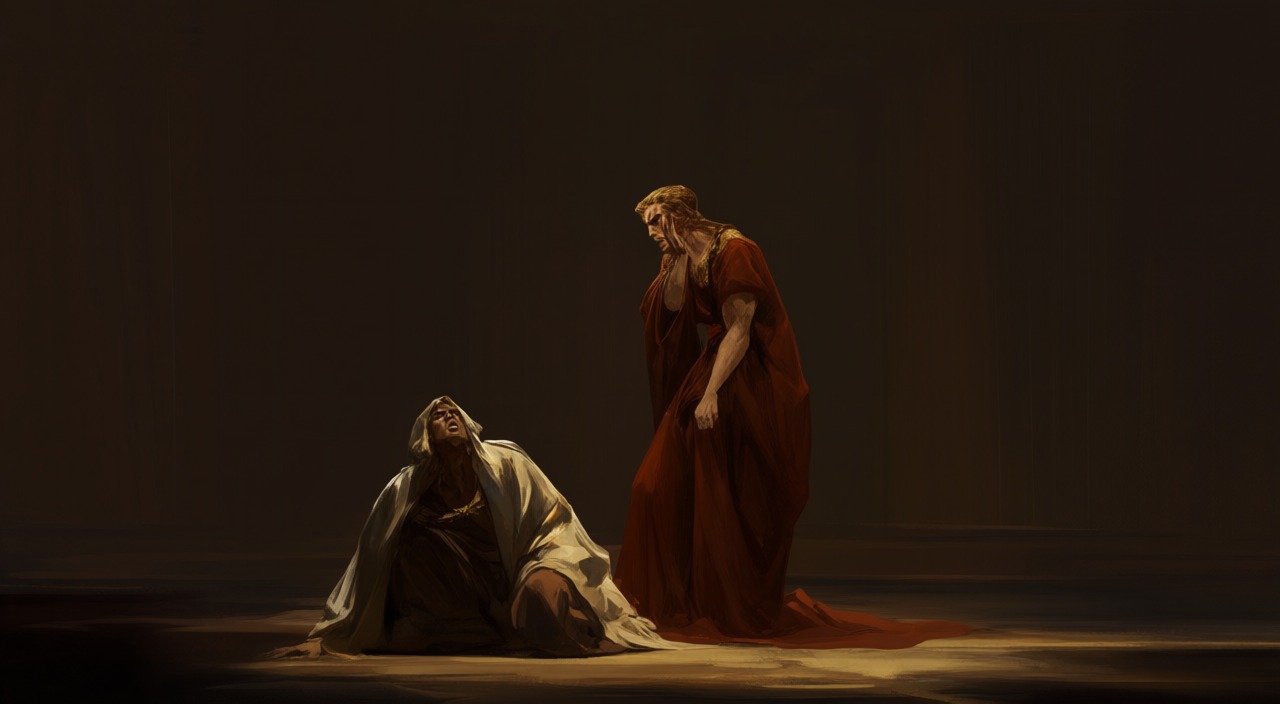
Michael of Cesena arrives with a group of Franciscan theologians, including Ubertino of Casale and Jerome of Kaffa. They are eager to defend the doctrine of evangelical poverty but also fearful of the Pope's power.
The Papal Legation
Cardinal Bertrand del Poggetto leads the papal delegation, accompanied by the inquisitor Bernard Gui. They are determined to assert papal authority and discredit the Franciscan position. Bernard Gui immediately begins his own investigation into the abbey's crimes.
The Abbot's Dilemma
Abbot Abo tries to maintain neutrality, but the murders and the presence of the inquisitor undermine his authority. The meeting becomes a stage for larger conflicts.
The Debate on Poverty
Theological Disputation
Ubertino's Speech
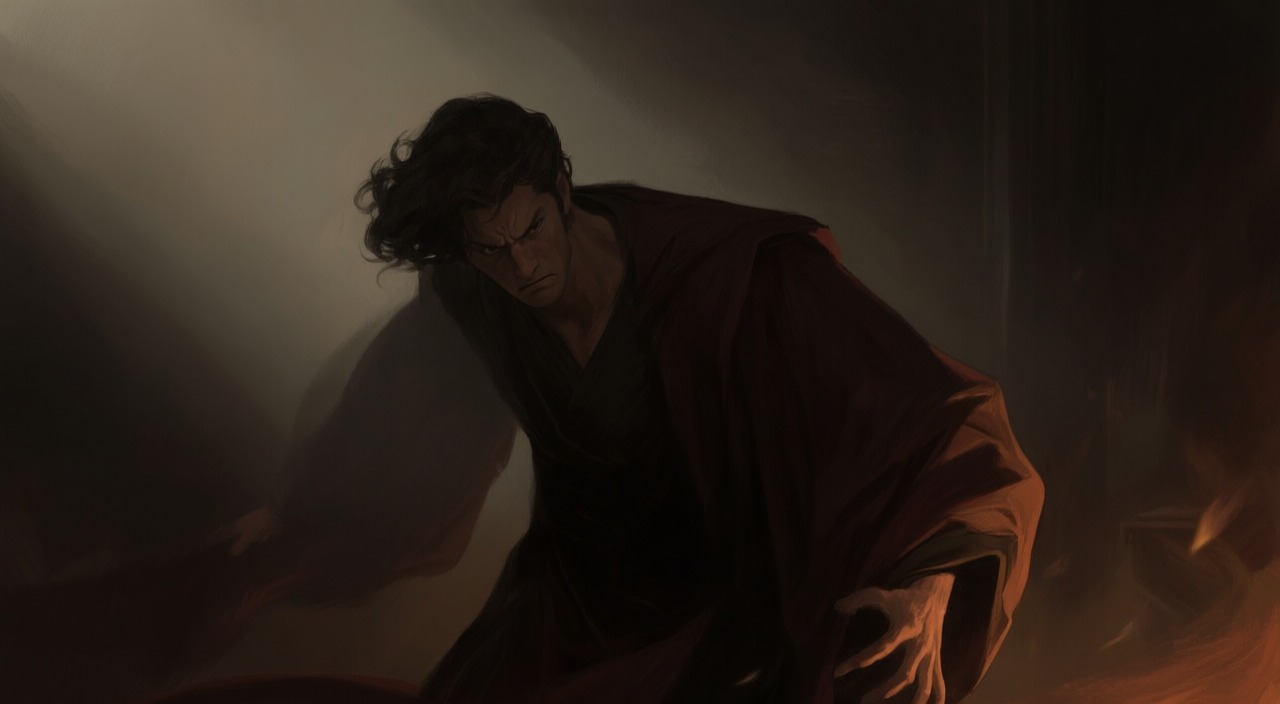
Ubertino of Casale delivers a passionate defense of Christ's poverty, arguing that Christ and the apostles owned nothing. He cites Scripture and Church fathers. The papal theologians counter with arguments about property rights and the need for Church authority.
Heated Exchanges
The debate degenerates into personal insults and accusations of heresy. The Bishop of Kaffa and the Bishop of Alborea nearly come to blows. The meeting is a failure, as neither side is willing to compromise.
William's Intervention
William of Baskerville presents the imperial theologians' view, arguing for the separation of spiritual and temporal power. His speech is met with hostility from both sides. The debate ends inconclusively, with the papal legates determined to bring Michael to Avignon.
The Inquisitor's Triumph
Bernard Gui Takes Control
The Trial of Remigio
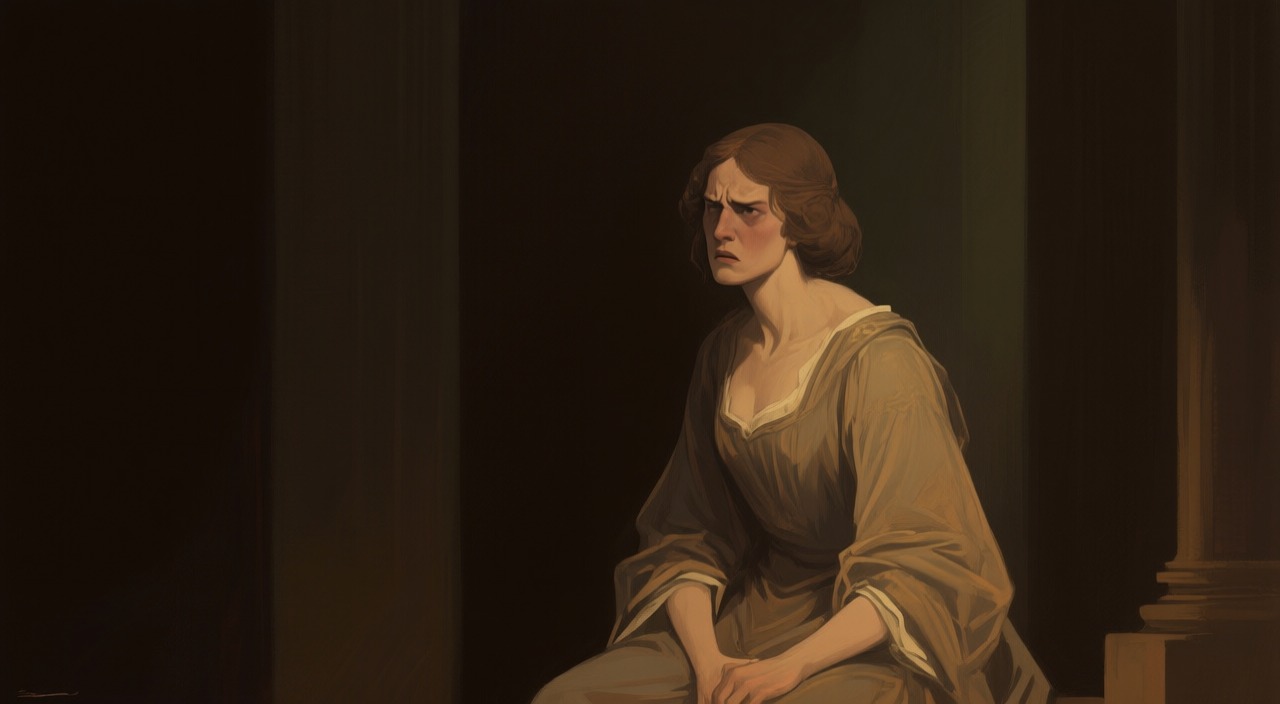
Bernard Gui uses the arrest of Remigio of Varagine to link the Franciscan poverty movement to the violent heresy of the Dolcinians. He forces a confession from Remigio, who admits his past as a follower of Fra Dolcino.
The Meeting's Collapse
The papal legates use the trial to discredit the Franciscans. Michael of Cesena realizes that any further negotiation is impossible. He decides to go to Avignon alone, a decision that will lead to his eventual flight and exile.
Ubertino's Escape
William warns Ubertino that he is in danger. Ubertino flees the abbey that night, but he will be murdered two years later. The political conflict remains unresolved, and the abbey's destruction symbolizes the end of an era.
Before the story begins
Fourth day
Morning of the fifth day
Afternoon of the fifth day
