Remigio of Varagine
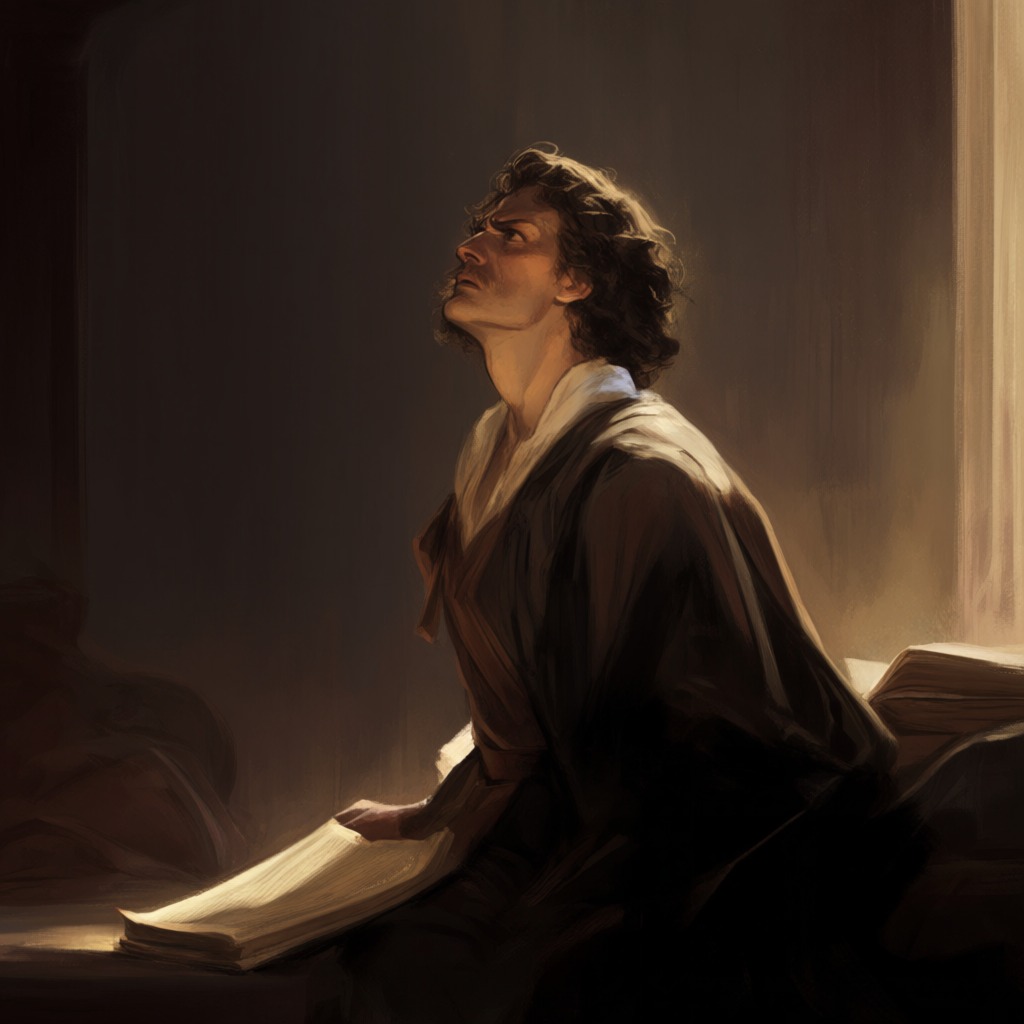
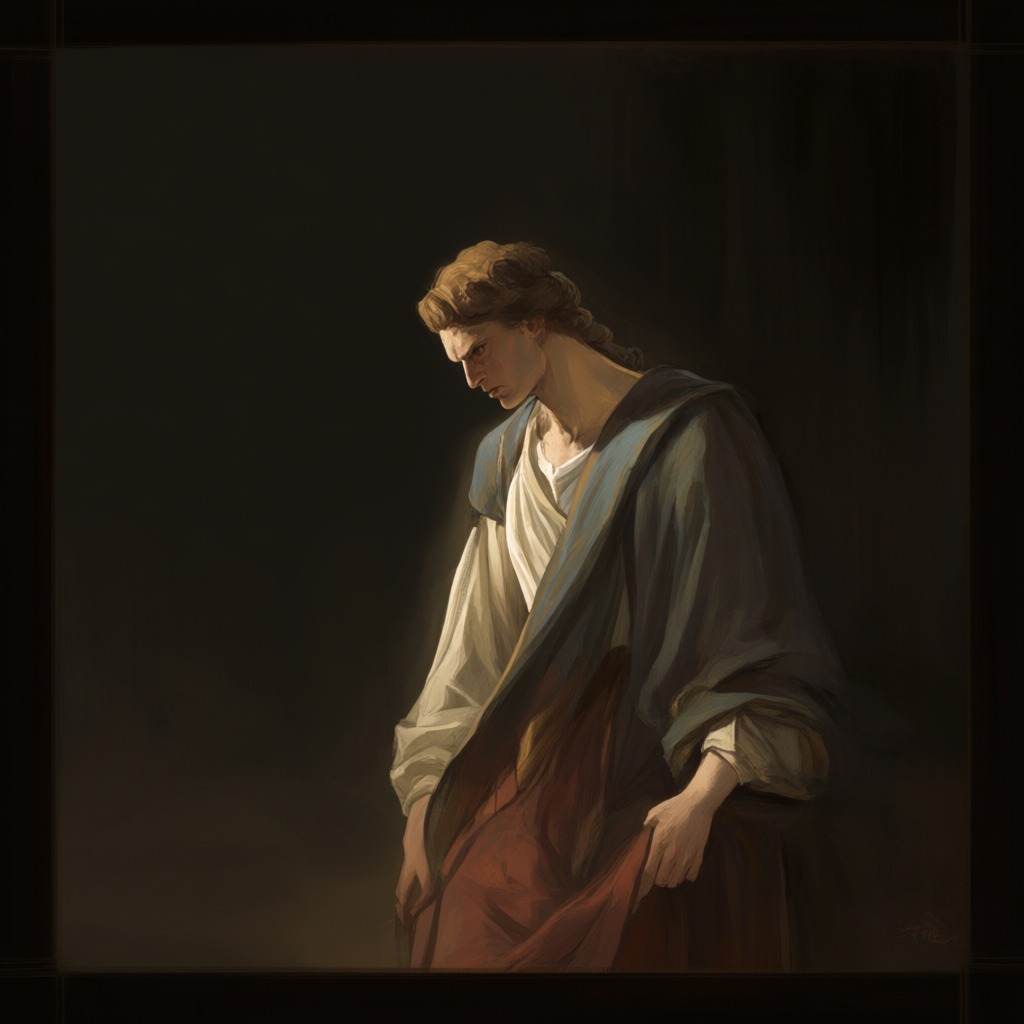
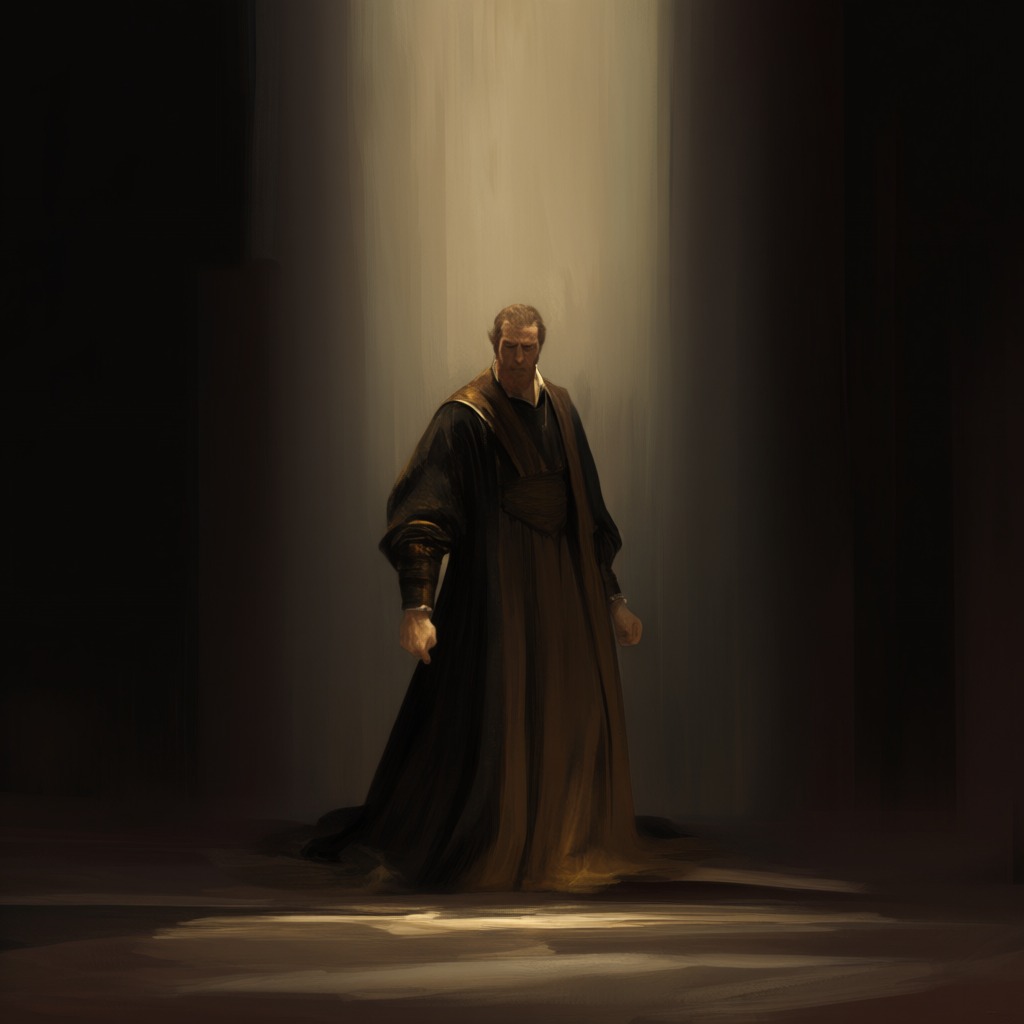
Remigio of Varagine is the cellarer of the unnamed Benedictine abbey, a stout, vulgar, white-haired but still strong man who manages the abbey's provisions and kitchen. He is first encountered by William of Baskerville and Adso of Melk on the path to the abbey, where he is searching for the abbot's runaway horse, Brunellus. William immediately demonstrates his deductive acumen by describing the horse in detail without having seen it, a feat that astonishes Remigio and the other monks. Remigio's role as cellarer gives him access to all parts of the abbey, including the kitchen and the storerooms, and he is responsible for the abbey's dealings with the local peasants and merchants.
Identity and Background
Remigio was born in Varagine and entered the convent of the Minorites as a boy. During the turbulent years of the early fourteenth century, he was seduced by the preaching of Fra Dolcino and joined the heretical sect of the Apostolic Brethren, also known as the Pseudo Apostles. He participated in the Dolcinian revolt, living on Bald Mountain and later on Monte Rebello, where the sect engaged in violent raids against the property of the church and the nobility. When the crusade against the heretics closed in, Remigio betrayed his companions, providing the Bishop of Vercelli's forces with the passages to attack Dolcino's fortifications in exchange for a safe-conduct. He witnessed the horrific torture and execution of Dolcino and Margaret of Trent, an experience that haunted him for the rest of his life. After the sect's destruction, he and his companion Salvatore fled together, eventually entering the convent of Casale and later joining the Cluniac order, where Remigio became cellarer of the abbey.
Life and Plot Trajectory
Remigio's past is a constant source of fear and vulnerability. He is blackmailed by Malachi of Hildesheim, the librarian, who holds Dolcino's letters that Remigio had entrusted to him for safekeeping. When the papal legation arrives, led by the inquisitor Bernard Gui, Remigio's terror intensifies. He overhears William speaking to Severinus about "papers" and, fearing that the letters have been discovered, rushes to the infirmary to find them. There he discovers Severinus already dead and begins frantically searching through the herbalist's laboratory. He is caught by the archers and arrested for the murder. During the trial, Bernard Gui skillfully manipulates Remigio's fear and guilt, forcing him to confess not only to his heretical past but also to all the murders in the abbey, crimes he did not commit. Remigio's confession is a desperate, self-destructive act, a final attempt to reclaim some semblance of faith and courage after a life of cowardice and betrayal.
Key Actions and Objectives
Remigio's primary objective throughout the novel is survival. He manages the abbey's material needs with competence, but his past makes him susceptible to manipulation. He procures village girls for his own pleasure, a sin that further compromises his position. His most significant action is his false confession, in which he claims responsibility for the deaths of Adelmo, Venantius, Berengar, and Severinus, as well as for summoning devils through black magic. This confession is a mixture of genuine remorse for his past and a desperate attempt to avoid torture, which he fears more than death itself. He also betrays his former Dolcinian comrades by naming names to Bernard Gui, a final act of cowardice that seals his fate.
Relationships and Conflict
Remigio's relationship with Salvatore is one of mutual dependence and shared guilt. They are bound together by their common past as Dolcinians, and Salvatore acts as Remigio's procurer for women. When Salvatore is captured and tortured, he betrays Remigio, revealing the existence of Dolcino's letters. Remigio's relationship with Malachi is one of blackmail; Malachi holds the letters and uses them to control Remigio. His relationship with the abbot is formal and functional, but the abbot suspects Remigio's past and views him as a potential liability. The central conflict of Remigio's character is internal: between his cowardly desire for a comfortable life and the lingering, suppressed idealism of his youth, which erupts in his final, mad confession.
Change and Ending
Remigio undergoes a dramatic and tragic transformation during his trial. Initially, he tries to lie and dissemble, but under Bernard Gui's relentless psychological pressure, he breaks down. He first confesses to his heretical past, then, in a fit of despair and self-loathing, confesses to all the murders, even though he is innocent of them. His confession is a grotesque parody of martyrdom, a final assertion of a twisted faith. He is condemned to be taken to Avignon for a formal trial and execution by burning. His fate is sealed not by his actual crimes but by his usefulness as a scapegoat for Bernard Gui, who uses Remigio's confession to discredit the Franciscan position on poverty and to justify the Inquisition's presence in the abbey.
Narrative Role and Evaluation
Remigio of Varagine serves as a tragic figure who embodies the fate of the "simple" in a world of power struggles between the Pope and the Emperor. He is a man who once believed in a revolutionary ideal of poverty and justice but was broken by fear and the brutality of the world. His character illustrates the novel's central theme that the line between heresy and orthodoxy, between saint and sinner, is often blurred, and that the powerful use accusations of heresy to destroy their enemies. Remigio is not the mastermind behind the murders; he is a pawn, a convenient culprit whose confession allows the true mystery of the library to remain hidden. His story is a poignant reminder of the human cost of ideological conflict.