Silos
Silos, the Benedictine monastery of Santo Domingo de Silos in Castile, is a pivotal but unseen location in the novel's backstory, serving as the site where Jorge of Burgos acquired the manuscript that would become the object of a deadly conspiracy. Its significance lies not in any event that occurs there during the narrative, but in the journey Jorge undertook there decades before the story begins, a journey that would seal the fate of the abbey and its inhabitants.
Jorge's Mission and the Acquisition of the Forbidden Book
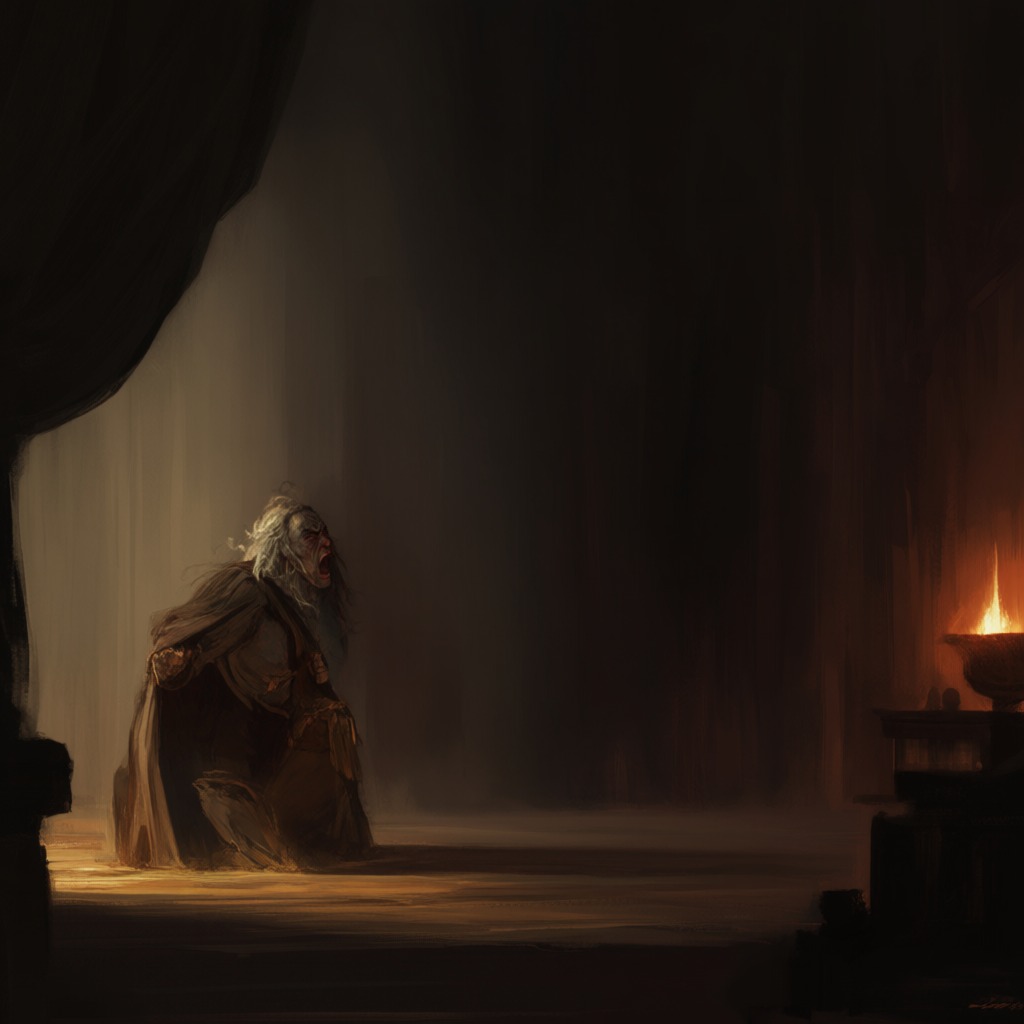
Around the time he was assistant to the librarian Paul of Rimini, Jorge arranged to be sent to his native Spain to collect the finest manuscripts of the Apocalypse from the monasteries of León and Castile. This mission, which made him famous and respected within the abbey, also brought him to Silos. It was there that he found the manuscript that would become the center of the mystery: a bound volume containing, among other texts, the second book of Aristotle's Poetics, a work believed lost or never written. The manuscript was written on linen paper, a rare and costly material at the time, which was manufactured in Silos, near Jorge's home of Burgos. Recognizing the dangerous potential of Aristotle's treatise on comedy and laughter, Jorge stole the book, hid it in the abbey's secret finis Africae, and dedicated the rest of his life to ensuring no one else could read it.
The Consequence of the Theft
Jorge's theft from Silos set in motion a chain of events that would culminate in the murders of several monks and the eventual destruction of the abbey's library. The book, hidden for decades, became the object of desire for the curious and the learned, leading to the deaths of Venantius of Salvemec, Berengar of Arundel, and others who came too close to its secrets. The very materiality of the manuscript—its linen paper from Silos—was a key clue that allowed William of Baskerville to finally identify the book and trace its origin, ultimately leading him to confront Jorge in the finis Africae.
Narrative Significance
Silos functions as a distant, almost mythical origin point for the novel's central conflict. It represents the moment when Jorge's pride and fear of knowledge transformed him from a scholar into a murderer. The monastery's name, mentioned only in passing by Alinardo of Grottaferrata and later reconstructed by William, serves as a geographical and historical anchor for the mystery, connecting the remote Spanish abbey to the Italian monastery where the tragedy unfolds. The fact that the book was made in Silos, a place associated with the production of knowledge and art, underscores the irony of its use as an instrument of concealment and death.