Adelmo of Otranto
Adelmo of Otranto, a young monk already famous as a master illuminator, is the first victim in the series of mysterious deaths that unsettle the abbey. His fall from the cliff below the Aedificium, discovered by a goatherd after a night of snow and wind, initially appears to be an accident or suicide. The abbot, Abo, summons William of Baskerville to investigate, and Adelmo's death becomes the catalyst for uncovering the abbey's hidden conflicts, forbidden knowledge, and the lethal power of its library's secrets.
Identity and Art
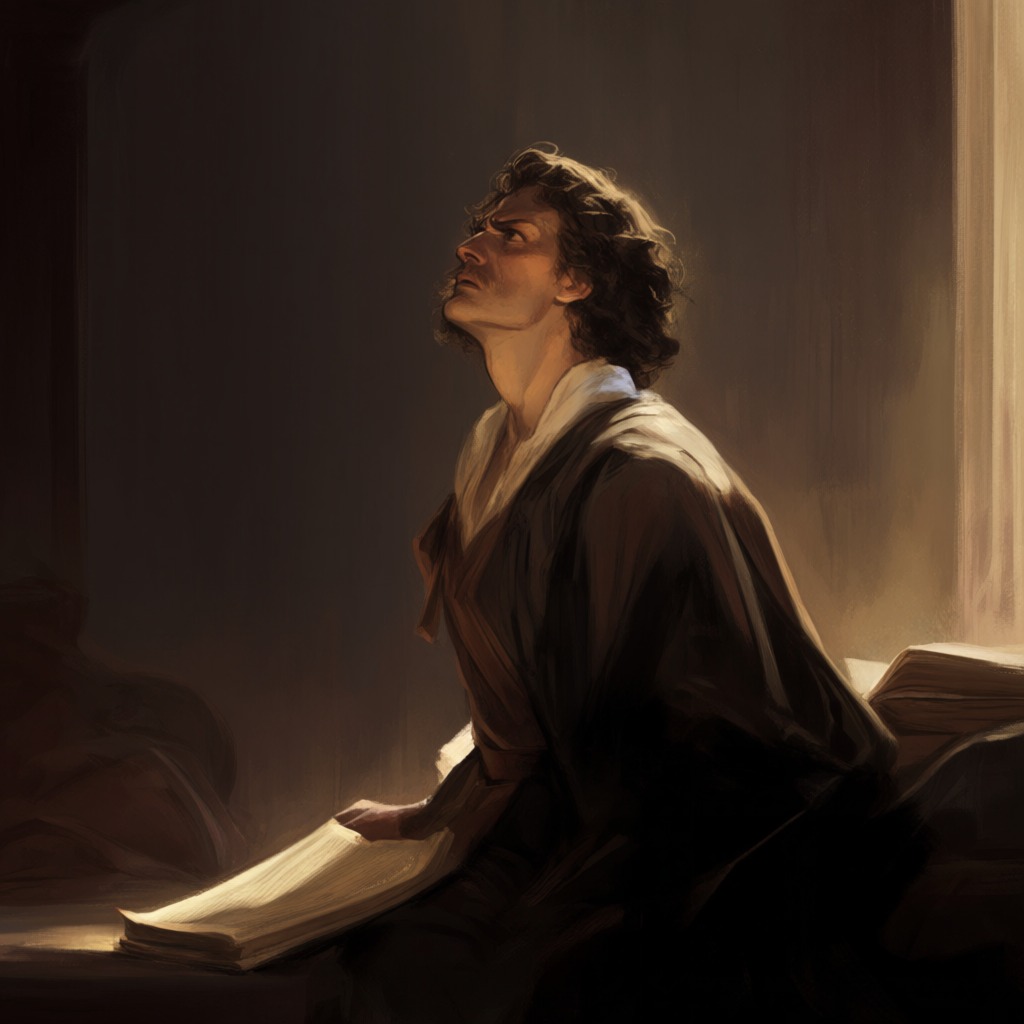
Adelmo was renowned for his skill in illuminating manuscripts, particularly for his fantastical marginalia—"babewyn" or baboons, as William calls them—that depicted an inverted world of monsters, hybrids, and grotesque scenes. His work, displayed on the pages of a psalter and a book of hours, was admired for its lively imagination and technical brilliance, but also provoked controversy. Jorge of Burgos, the blind, ancient monk, condemned such images as lies about creation, arguing they led the soul away from God. Adelmo, however, defended his art in a learned debate, citing authorities like Thomas Aquinas and Pseudo-Dionysius to argue that distorted figures could reveal divine truths more effectively than noble ones. This debate, which took place in the scriptorium shortly before his death, touched on the nature of laughter, metaphor, and the limits of permissible knowledge—themes that would prove fatal.
Relationships and Conflict
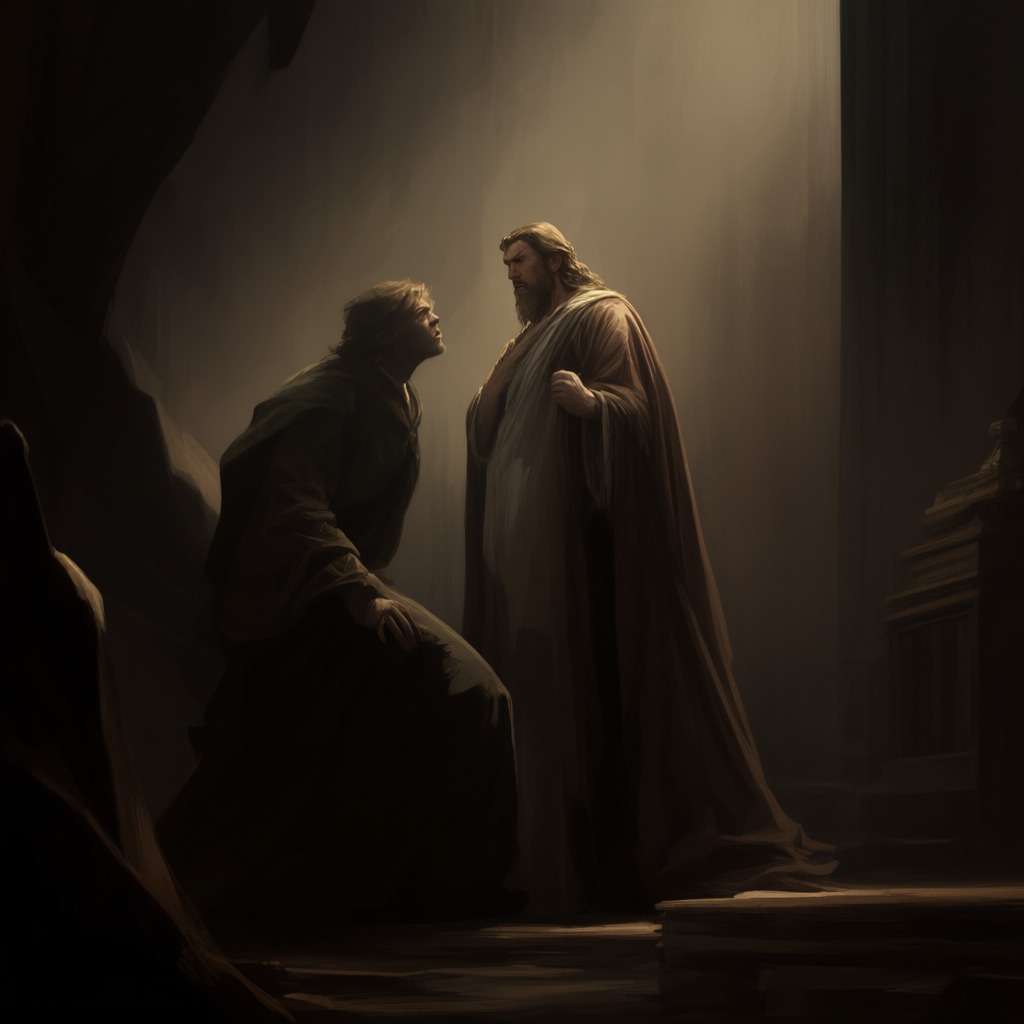
Adelmo was at the center of a web of illicit relationships and intellectual rivalries. Berengar of Arundel, the assistant librarian, harbored an obsessive passion for him, which Benno of Uppsala later reveals involved a vile barter: Berengar offered to reveal a secret of the library in exchange for carnal favors. Adelmo, perhaps driven by intellectual curiosity as much as desire, consented. The night before his death, Benno witnessed Adelmo slip into Berengar's cell, then flee to confess his sin to Jorge. Jorge, acting as confessor, likely refused absolution or imposed an impossible penance, filling Adelmo with despair. Venantius of Salvemec, a translator of Greek, also approached Adelmo after the debate, seeking the same secret Berengar had promised—the location of the forbidden book in the finis Africae. Adelmo's death thus stemmed from the convergence of his sexual transgression, his intellectual ambition, and the merciless judgment of Jorge.
Death and Aftermath
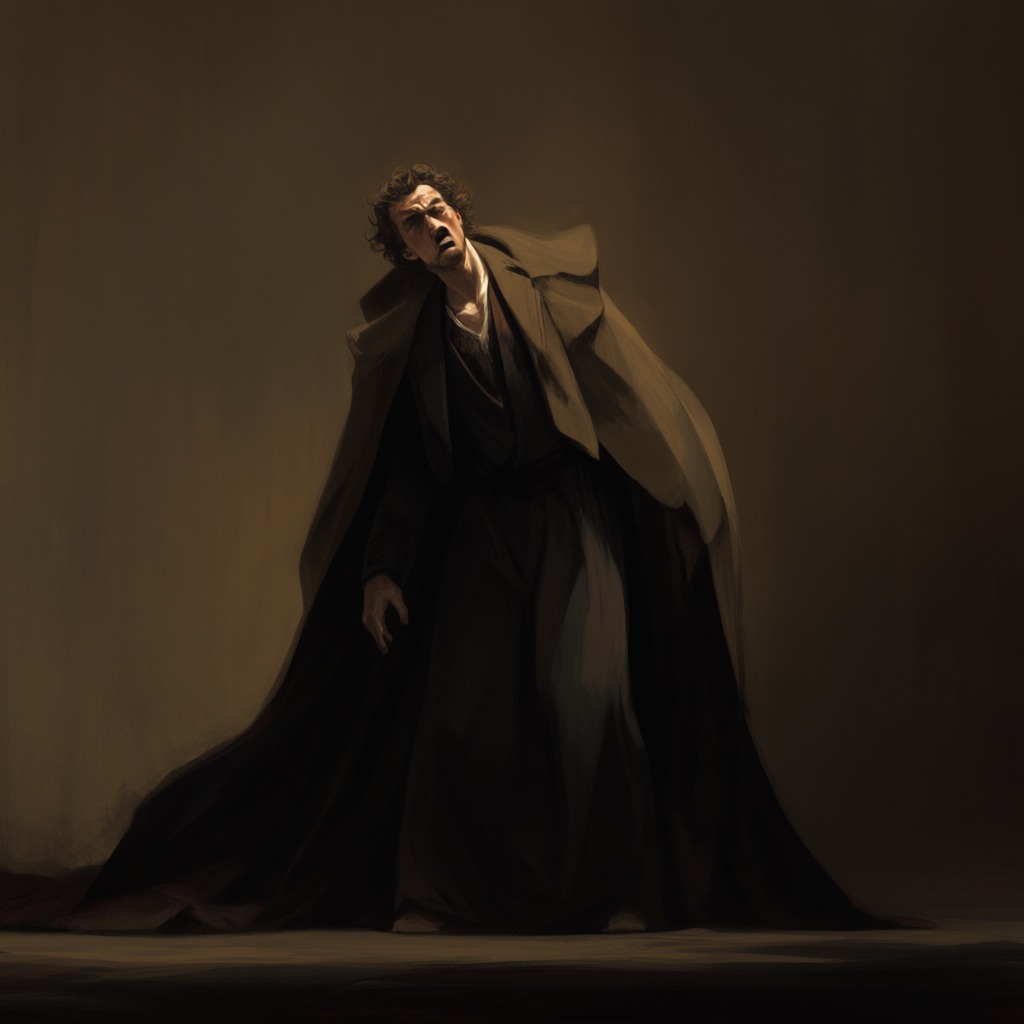
Adelmo's body was found at the foot of the cliff below the Aedificium, torn by rocks. William deduces that Adelmo committed suicide, throwing himself from the parapet of the wall behind the stables before the storm, his corpse later carried by a landslide. The abbot's initial suspicion of murder is dispelled, but the death triggers a chain of events: Venantius, having learned the secret, steals the forbidden book and is poisoned; Berengar, consumed by guilt, takes the book and dies in the bath; and the subsequent murders of Severinus and Malachi are all linked to the same hidden manuscript. Adelmo's death is thus not an isolated tragedy but the first rupture in a system of repression, revealing how the abbey's fear of laughter, doubt, and forbidden knowledge breeds violence and despair.
Thematic Significance
Adelmo embodies the tension between creative freedom and doctrinal control. His art, which delighted in the monstrous and the comic, challenged the grim orthodoxy represented by Jorge. His suicide, prompted by Jorge's condemnation, prefigures the novel's central conflict: the battle between the liberating power of laughter and the deadly seriousness of absolute truth. Adelmo's fate also illustrates how the pursuit of forbidden knowledge, when entangled with desire and guilt, can lead to self-destruction. His story is a microcosm of the abbey's tragedy, where the love of books and the fear of their power become indistinguishable.